

Common Materials for Wood Inserts: Zinc Alloy vs. Brass vs. Steel
When selecting the right wood insert for furniture, cabinets, or structural wood assemblies, material choice matters more than many buyers initially realize. The performance of a threaded insert for wood depends heavily on its base material — especially when it comes to load-bearing capacity, corrosion resistance, installation method, and long-term durability.
Among the most commonly used materials for wood inserts, zinc alloy, brass, and steel are the three main options. As a professional thread insert nut manufacturer, Xinchi is glad to introduce the differences.

Threaded Inserts for Wood
Zinc Alloy Wood Inserts: Cost-Effective for Lightweight Furniture
Zinc alloy wood inserts are a popular choice for indoor furniture and MDF panels because they offer a good balance between affordability and ease of installation. These inserts are well-suited for flat-pack furniture, light-duty wooden assemblies, and applications where cost-effectiveness is a priority.
Zinc alloy is relatively soft compared to steel, which makes it easier to drive the insert into pre-drilled holes. The external coarse threads on many zinc alloy wood inserts cut into particle board or MDF smoothly without splitting the material. This makes zinc alloy inserts a great option for mass production furniture, improving installation efficiency and reducing tool wear.
In terms of corrosion resistance, zinc alloy performs adequately in indoor environments. However, it is not recommended for outdoor or high-humidity conditions unless additional surface treatment is applied.
Zinc alloy wood inserts are ideal for furniture, MDF boards, and applications where a cost-effective solution is needed without compromising too much on performance.
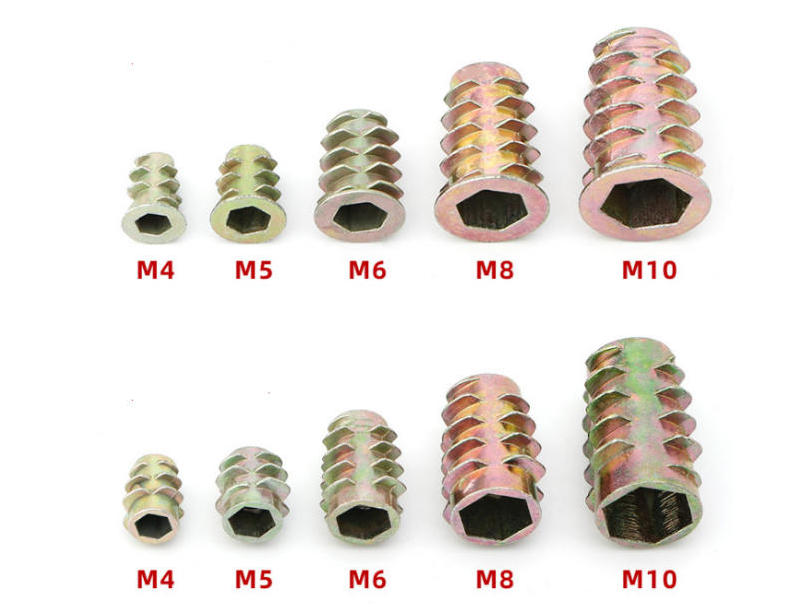
thread insert for wood
Brass Wood Inserts: Ideal for Humid Environments and Precision Applications
Brass wood inserts are often selected for projects where corrosion resistance and appearance matter. Brass naturally resists rust and performs well in humid environments, making it suitable for bathroom furniture, kitchen cabinets, and even marine-adjacent projects.
One of the key benefits of brass inserts is their ability to be precisely machined. This makes them perfect for applications requiring repeated assembly and disassembly. Brass retains its thread integrity over multiple uses, so it’s a great option for modular furniture or adjustable components.
Although brass is more expensive than zinc alloy, its corrosion resistance and machinability make it an excellent choice for projects that require long-term durability in humid environments.
Brass wood inserts are ideal for humid environments, decorative furniture, and projects requiring repeated assembly and disassembly.
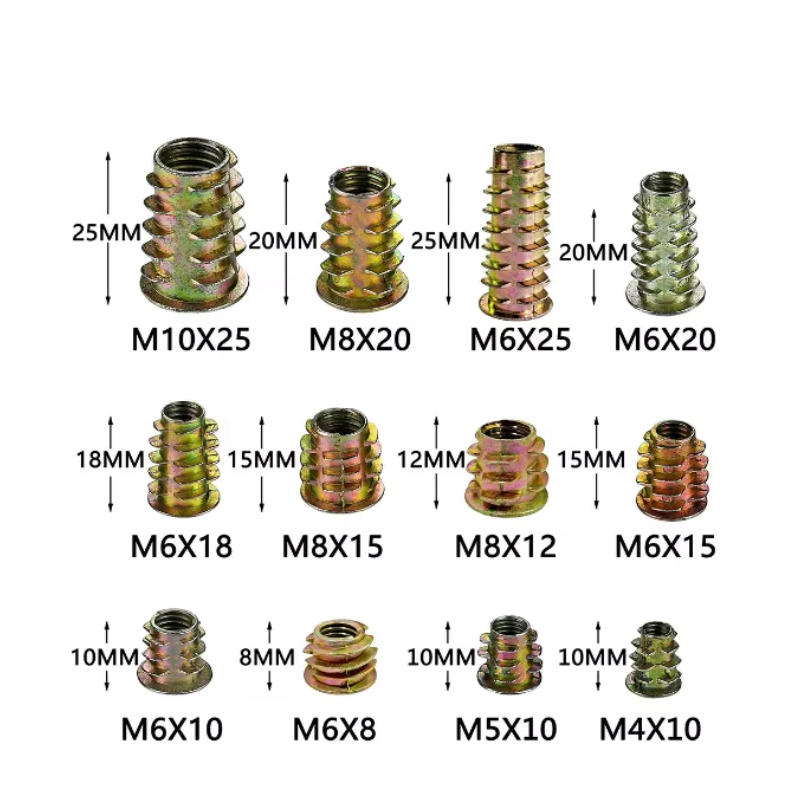
thread insert nut
Steel Wood Inserts: Perfect for Heavy-Duty and High-Torque Applications
For applications where load capacity and mechanical strength are the top priorities, steel wood inserts are the most reliable option.
Steel threaded inserts for wood provide significantly higher tensile strength and torque resistance compared to zinc alloy or brass. This makes them suitable for hardwood applications, industrial wooden fixtures, and structural assemblies where vibration resistance and high clamping forces are required.
Steel wood inserts are commonly used in applications that demand durability under heavy loads, such as workbenches, industrial pallets, or mechanical equipment bases. Steel is also known for its high strength in high-torque environments, ensuring long-term reliability in demanding applications.
However, steel requires proper surface treatment — such as zinc plating, black oxide, or other anti-corrosion coatings — to prevent rust. In humid environments, untreated steel inserts may corrode over time.
Steel wood inserts are perfect for heavy-duty applications, high-torque environments, and structural assemblies that require mechanical strength.
How to Choose the Right Wood Insert Material
When choosing between zinc alloy, brass, and steel wood inserts, the main factors to consider are load requirements, environmental conditions, and budget.
Zinc alloy inserts are best for lightweight furniture and indoor use where cost-efficiency is a primary concern.
Brass inserts offer superior corrosion resistance, making them ideal for environments with humidity or frequent assembly/disassembly needs.
Steel inserts are the best choice for heavy-duty applications that require the highest strength and durability.
Understanding these factors will help you select the appropriate wood insert material to ensure your project’s success.
Why Material Quality Matters in Wood Inserts
Regardless of material type, the manufacturing quality of the threaded insert for wood plays a critical role. Poor cold forming, inaccurate thread rolling, or inconsistent plating can lead to installation failure, cracking of wooden panels, or stripped internal threads.
Dimensional accuracy and stable production processes ensure that wood inserts fit properly with mating bolts and maintain holding power over time.
Xinchi Fasteners – Reliable Wood Insert Manufacturer Since 2007
Xinchi Fasteners has been specializing in fastening solutions since 2007. As a professional fastener factory, we focus on high-volume, stable production of various inserts and cold-formed components.
- Established in 2007
- 102 cold heading machines
- Daily production capacity exceeding 10 million pieces
- New factory covering 30,000 square meters
- Two six-story production buildings
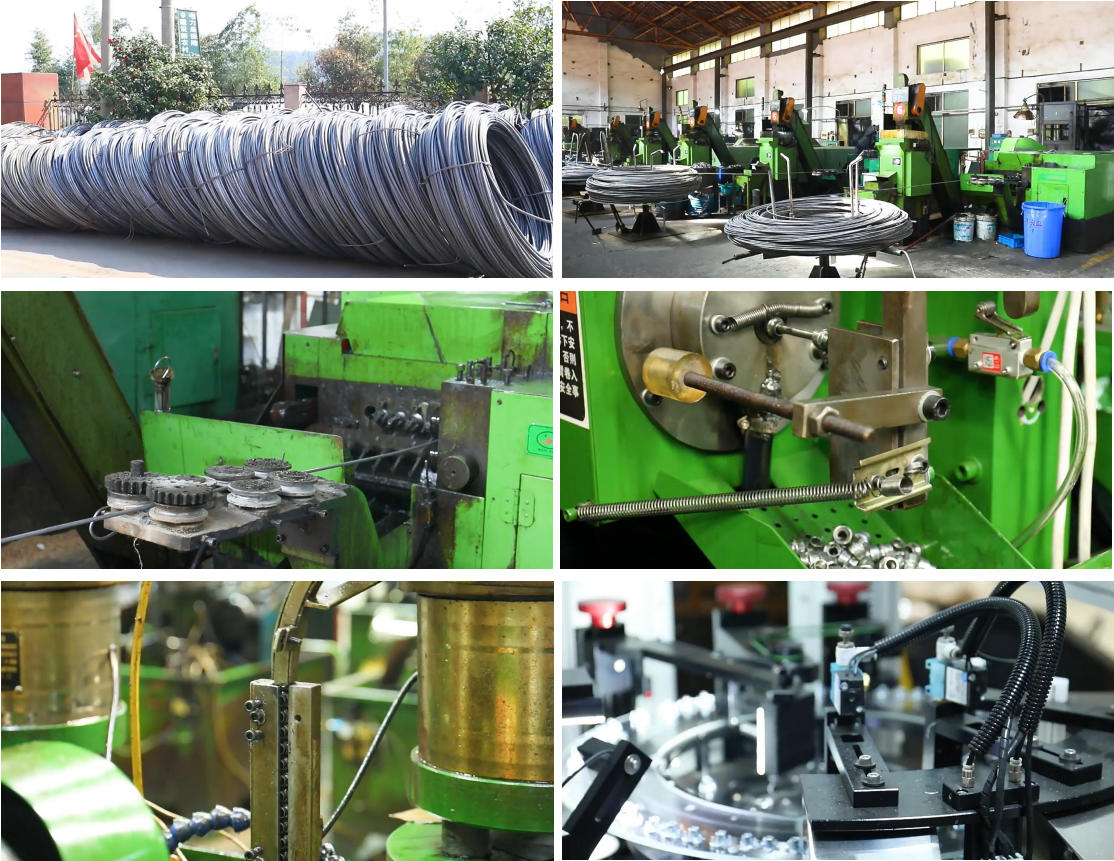
Xinchi Fastener Factory
As a trusted fastener supplier, Xinchi offers a wide range of high-quality fasteners, including nuts, screws, bolts, rivets, and washers. With strong cold-forming capabilities and mature quality-control systems, Xinchi supplies zinc alloy, brass, and steel wood inserts for furniture manufacturers, woodworking factories, and industrial customers worldwide.
If you are selecting the right wood insert material for your project, our technical team can provide practical suggestions based on load requirements and the application environment.
Recent Comments