

Common Installation Mistakes When Using Flange Bolts
Flange bolts are commonly used in automotive assemblies, machinery, and structural connections because the integrated flange helps distribute load and reduce the need for separate washers. In practice, however, many fastening problems are not caused by the flange bolt itself, but by how it is installed.
Based on real assembly and maintenance scenarios, as a professional fastener manufacturer, Xinchi is pleased to introduce some common installation mistakes that can affect the performance and service life of flange bolts.

Installing Flange Bolts on Poorly Prepared Surfaces
In many assemblies, flange bolts are installed directly onto painted, oily, or uneven surfaces. While the flange is designed to increase contact area, it cannot compensate for poor surface conditions.
If dirt, oil, welding spatter, or burrs are present, the flange face may not sit flat. This often leads to uneven clamping force and gradual loosening under vibration. Cleaning the contact surface and ensuring basic flatness before installing flange bolts is a simple step that is often overlooked but makes a noticeable difference.
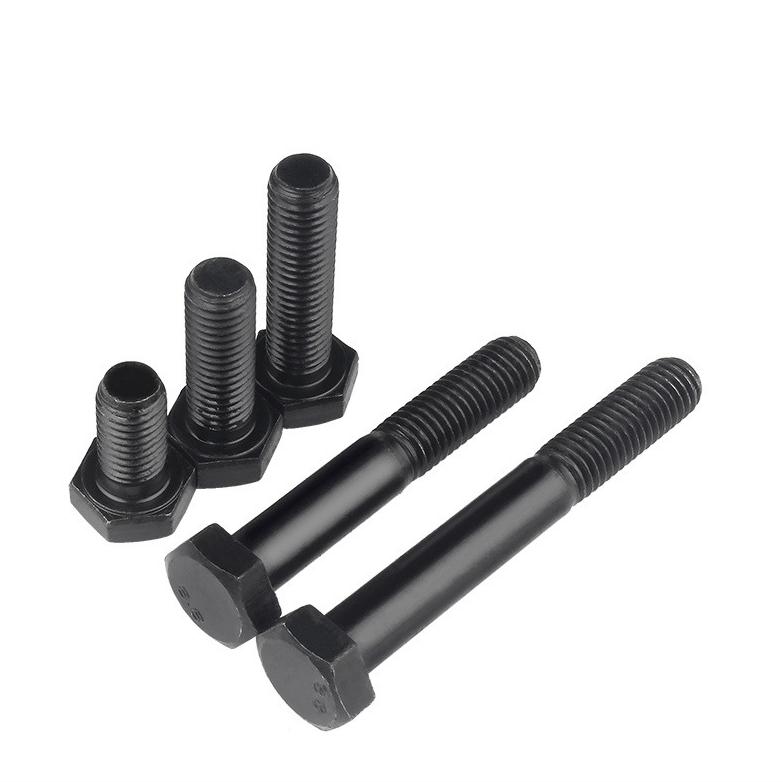
Applying Incorrect Torque When Tightening Flange Bolts
Another frequent issue with flange bolts is improper torque control. In fast-paced assembly lines or maintenance work, bolts are sometimes tightened “by feel” rather than by specification.
Over-tightening can stretch the bolt or damage the threads, while under-tightening reduces clamp force and weakens the joint. Flange bolts are designed to work within a specific torque range depending on size, material, and grade. Using a torque wrench and following recommended values helps ensure consistent and repeatable fastening results.

Using Additional Washers with Flange Bolts
Flange bolts already have a built-in washer surface, yet in some applications, extra flat washers or spring washers are still added out of habit. This practice can reduce the effectiveness of the flange design.
Adding washers may change how the load is distributed and, in some cases, reduce friction where it is needed. Unless the design specifically calls for additional washers, flange bolts are generally intended to be installed directly against the mating surface.

Choosing the Wrong Type of Flange Bolts
Not all flange bolts are suitable for every application. Selecting a bolt based only on size, without considering material, strength grade, or surface treatment, can lead to premature failure.
For example, standard carbon steel flange bolts may corrode quickly in outdoor or humid environments, while low-strength bolts may not handle dynamic loads or vibration. Matching the flange bolt specification to the actual working conditions is essential for long-term reliability.
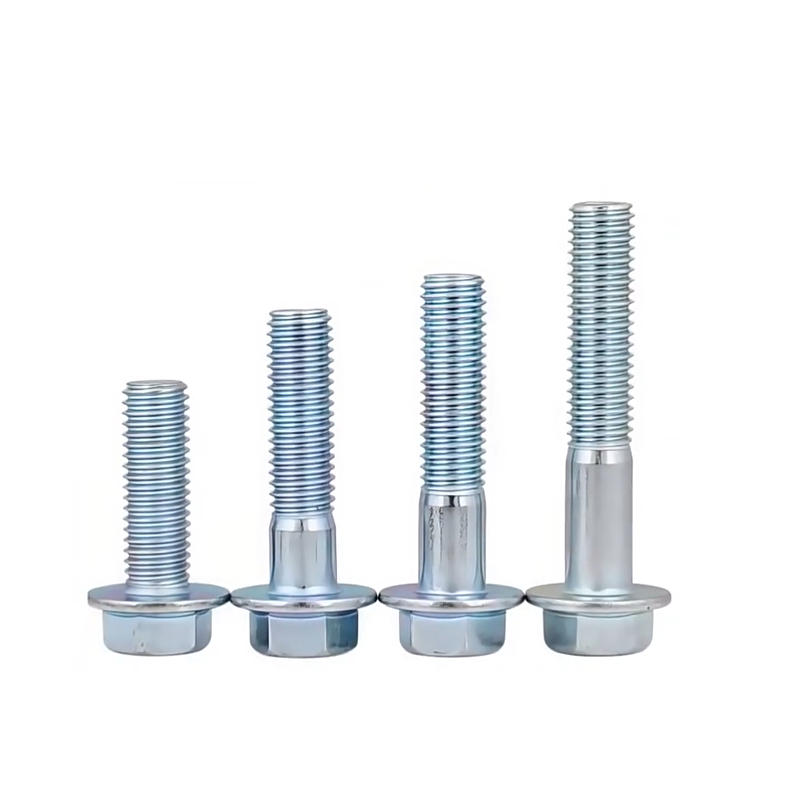
Flange bolt
Reusing Flange Bolts Without Inspection
In maintenance work, flange bolts are often reused because they appear undamaged. However, repeated tightening can wear the threads and deform the flange face, especially in high-load applications.
For non-critical joints, reuse may be acceptable, but for safety-related or high-stress connections, replacing flange bolts is a safer choice. This helps maintain a consistent clamping force and reduces the risk of unexpected loosening.
Why Correct Installation of Flange Bolts Is Important
Flange bolts are designed to simplify assembly and improve joint stability, but only when basic installation principles are followed. Small details—such as surface condition, torque control, and proper product selection—have a direct impact on fastening performance.
Avoiding these common mistakes helps flange bolts deliver the load distribution and anti-loosening benefits they are designed for.
Why Choose Xinchi Fastener Factory
Xinchi Fastener Factory was established in 2007 and focuses on the manufacturing of industrial fasteners, including flange bolts. The factory operates 102 cold heading machines, with a daily output exceeding 10 million pieces, providing stable capacity for large-volume orders.

Xinchi Fastener Factory
The newly completed production base covers 30,000 square meters, consisting of two six-story factory buildings, modern equipment, and standardized quality control processes. As a trusted fastener supplier, Xinchi offers a wide range of high-quality fasteners, including nuts, screws, bolts, rivets, and washers. Xinchi supplies consistent-quality fasteners and supports customized solutions for global B2B customers.