

DIN 1624 Standard Explained: Available Sizes of T-Nuts
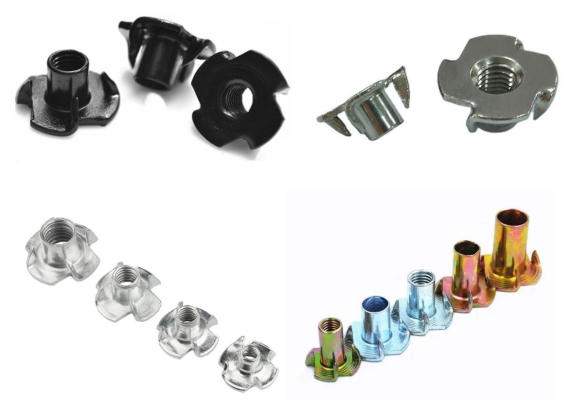
In mechanical assemblies and industrial production, the DIN 1624 T-Nut, also known as a four-claw tee nut, is a widely used fastener. It is especially suitable for wood, panel, and furniture applications.
As one of the leading t-nut manufacturers in China, Xinchi is glad to share its standard sizes, hoping it can help engineers and purchasing professionals select the right nut, ensuring secure and stable assemblies.
t nuts
How DIN 1624 T-Nuts Function in Wood and Panel Assemblies
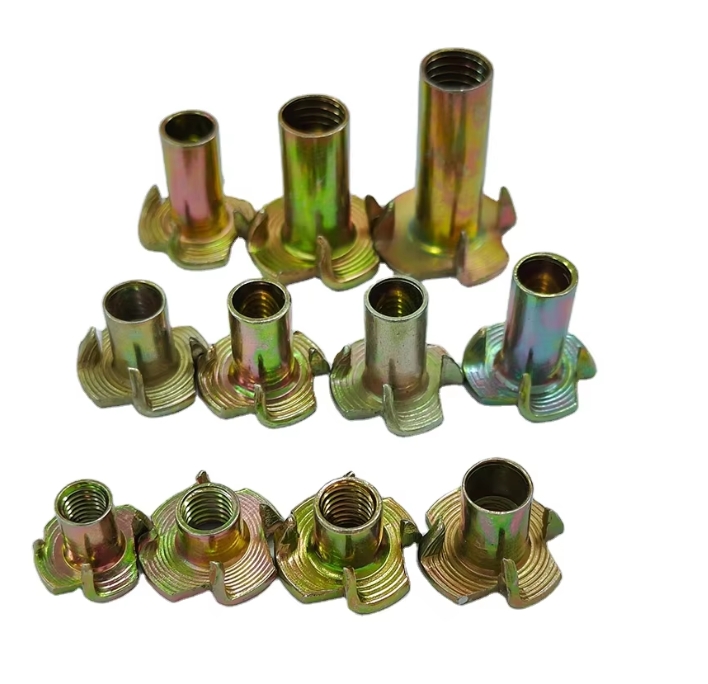
A DIN 1624 T-Nut features four prongs (claws) that embed into pre-drilled holes, providing a firm grip and preventing rotation during tightening. This design distributes the load over a larger area and allows for quick installation.
Its structure balances durability with adaptability, making it suitable for various panel thicknesses and applications. Proper use of DIN 1624 T-Nuts ensures reliable threaded connections and long-term stability in furniture, cabinetry, and other wooden structures.
T nut
Standard Sizes and Applications of DIN 1624 T-Nuts (M3–M12)
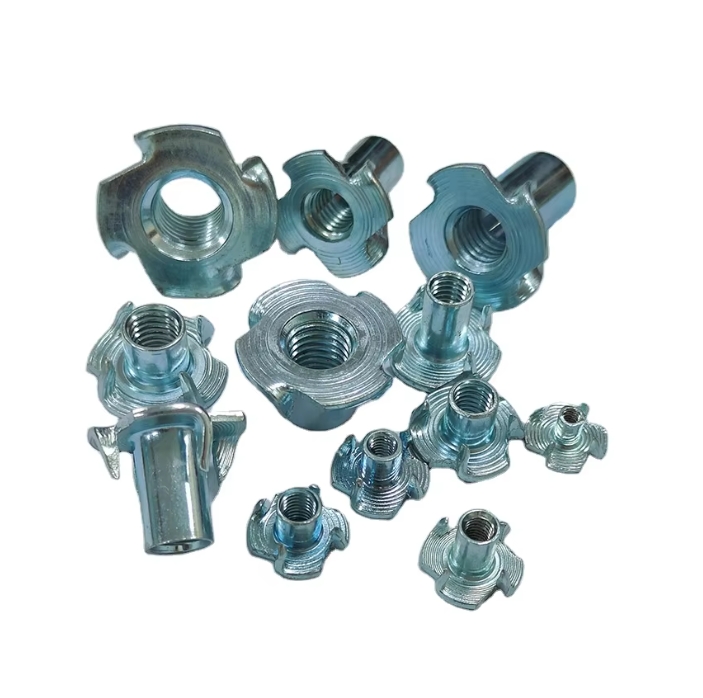
DIN 1624 T-Nuts are available in standard sizes from M3 to M12, covering most engineering and furniture assembly needs:
- M3–M6: Ideal for light furniture or small panels, offering flexible installation and moderate load capacity.
- M8–M10: Suitable for medium-load applications, providing enhanced stability.
- M12: Designed for heavy-duty connections, delivering higher tightening force and reliability.
Each size has corresponding thread diameters, prong height, and width standards to ensure secure placement and even load distribution, extending the life of the assembly.
t nut
Material Choices and Installation Tips for T-Nuts
Selecting the right material and surface treatment is crucial for the performance of DIN 1624 T-Nuts:
- High-strength steel: Suitable for heavy-duty wooden structures, wear-resistant and durable.
- Stainless steel: Ideal for humid or corrosive environments.
- Zinc-plated: Enhances corrosion resistance while keeping costs under control.
Proper selection of size and material improves stability, reduces maintenance, and ensures long-lasting performance. Correct installation of the four prongs prevents the T-Nut from turning under torque and maintains a secure threaded connection.
Practical Considerations When Using DIN 1624 T-Nuts
When applying DIN 1624 T-Nuts in furniture or panel projects, consider:
- Matching the T-Nut size to the panel thickness and bolt diameter.
- Pre-drilling precise holes to accommodate the prongs for secure embedding.
- Choosing appropriate material based on environmental conditions and load requirements.
Following these best practices ensures reliable and long-lasting assemblies in furniture, cabinetry, and industrial wooden structures.
Why DIN 1624 T-Nuts Are a Reliable Choice
DIN 1624 T-Nuts combine simplicity, durability, and effectiveness. Their four-prong design provides a secure grip in panels, distributes load evenly, and allows easy installation. Understanding their sizes, materials, and correct usage can significantly improve the quality and reliability of wood-based projects.
Xinchi Fastener Factory Advantages
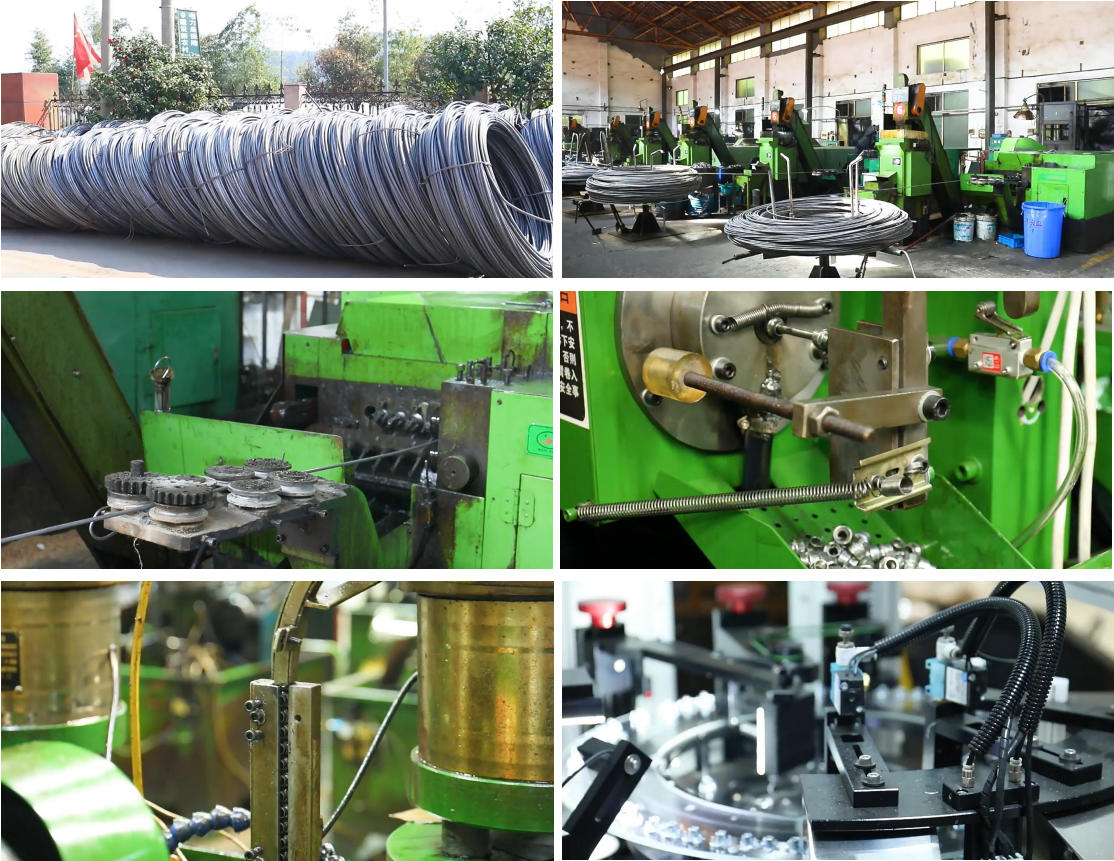
When looking for a supplier, reliability and production capacity are key. Xinchi Fastener Factory, established in 2007, specializes in high-quality DIN 1624 T-Nuts and has built a solid foundation for consistent supply:
- Advanced equipment: 102 cold-heading machines capable of producing over 10 million pieces per day.
- Large production base: A new factory covering 30,000 m² with two six-story buildings.
- Strict quality control: Each batch undergoes dimension, hardness, and surface treatment inspections to meet DIN 1624 standards.
- Rich experience: Serving domestic and international clients, supporting OEM and bulk orders.
Xinchi Fastener Factory
With years of production experience and technical expertise, we specialize in a wide range of fasteners, including four-pronged T-nuts, hopper feed T-nuts, screws, bolts, rivets, and washers. These advantages make Xinchi a trusted source for engineers and procurement teams who require consistent, standard-compliant T-Nuts for furniture and panel assembly projects.