

How Does a Flange Nut Work? Understanding Load Distribution
If you work with machinery, automotive parts, or structural assemblies, you’ve probably used a flange nut without thinking much about why it’s different from a standard nut.
As a professional fastener manufacturer, Xinchi is glad to introduce how a flange nut works, hoping it can help you make better choices for joint stability and load management.
Flange Nut Basics: What Makes It Different
A flange nut is a hex nut with a built-in washer-like flange at one end. This flange spreads the pressure over a wider area, reducing the risk of damage to the connected parts. Unlike using a separate washer, the flange is integrated, which simplifies assembly and ensures consistent contact between the nut and the surface.
When you tighten a flange nut on a bolt or threaded rod, the flange presses evenly against the material. This evenly distributed force keeps the joint stable and reduces the chances of the nut loosening over time, especially in applications subject to vibration.
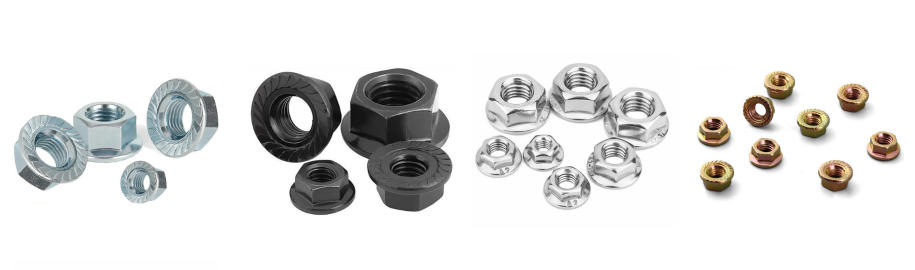
Flange nuts
Load Distribution in a Flange Nut
One of the main reasons flange nuts are preferred in engineering is how they handle load. A standard nut focuses the clamping force on a small point, which can create stress concentrations. Over time, this can lead to surface indentation, loosening, or even joint failure.
A flange nut solves this by distributing the force across the flange. This reduces localized stress, protects the parts, and improves the overall stability of the assembly. In heavy machinery, automotive, or structural applications, this makes a noticeable difference in reliability.
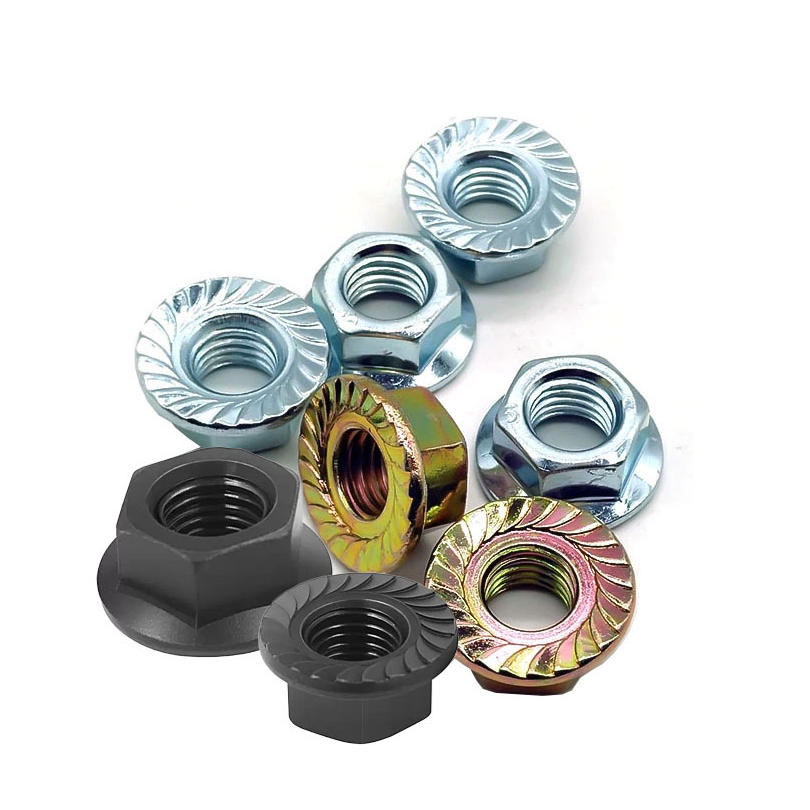
Flange nuts
Benefits of Using Flange Nuts
Knowing how a flange nut works also highlights its advantages in real-world use:
- Better stability: The wider flange provides more friction and reduces rotation.
- Surface protection: Spreads load to prevent damage to softer materials.
- Simpler assembly: Integrated washer saves time and reduces parts.
- Vibration resistance: Keeps assemblies tight under dynamic loads.
These practical benefits make flange nuts a common choice for engineers and manufacturers who need secure and durable connections.
Xinchi Fasteners: Reliable Flange Nut Manufacturer
Xinchi Fasteners has been producing high-quality flange nuts since 2007. Our factory houses 102 cold heading machines, with a daily output exceeding 10 million pieces. The facility covers 30,000 square meters and includes two six-story buildings equipped with modern production lines.
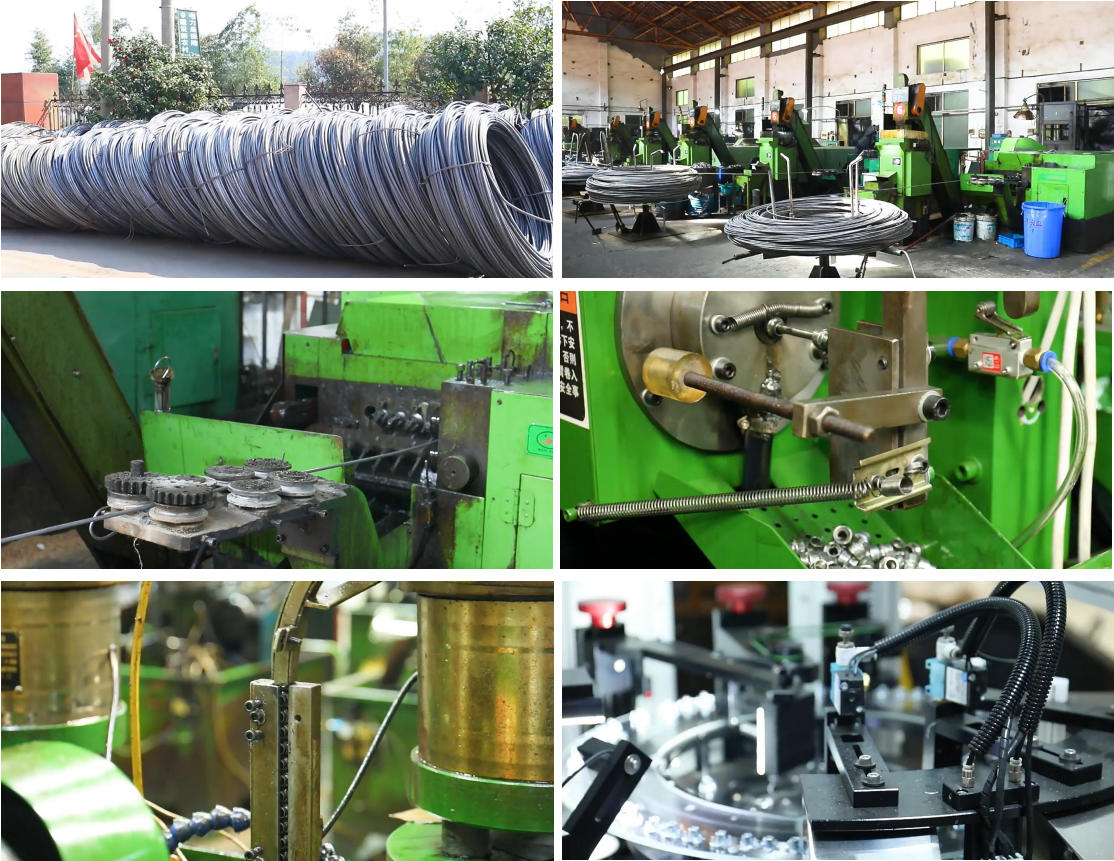
Xinchi Fastener Factory
As a trusted fastener supplier, we offer a wide range of high-quality fasteners, including nuts, screws, bolts, rivets, and washers. Working with Xinchi ensures you get consistent quality, durable products, and reliable supply for automotive, machinery, and industrial applications.