

How to Choose the Right Wing Nut
Wing nuts are simple parts, but in real use, the difference between a good choice and a bad one is quite obvious.
Some wing nuts feel smooth, hold well, and last long. Others strip, deform, or rust after a short time.
If you’re sourcing or using wing nuts regularly, as a professional wing nut manufacturer, Xinchi Fastener Factory is glad to share some points that may matter.
Wing Nut Types: Don’t Overlook Shape and Thickness
Many buyers focus only on size, but the shape and thickness of a wing nut also make a difference.
A standard butterfly wing nut works fine for hand tightening and frequent adjustments. But if there is even a bit of load, thinner wing nuts can bend over time or lose their shape.
Thicker wing nuts feel more solid in the hand and are easier to tighten properly. In repeated use, the difference becomes noticeable.
In short:
For light-duty use, a standard wing nut is enough.
For more demanding use, a thicker wing nut is a safer choice.
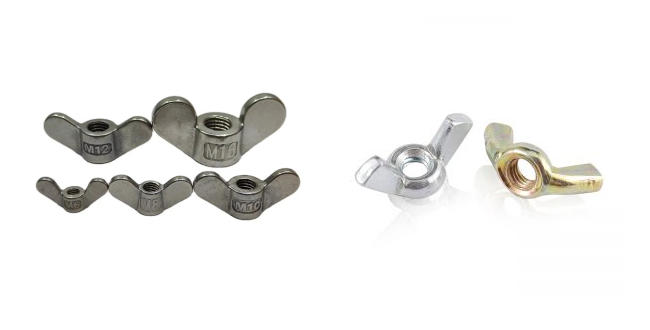
wing nut
Wing Nut Material: Steel vs Stainless Steel Wing Nut
Material selection is where many issues start.
A carbon steel wing nut is strong and cost-effective, suitable for indoor use. But in humid environments — warehouses, outdoor use, or shipping conditions — it can rust quite easily.
A stainless steel wing nut is more reliable in these cases. It costs more, but offers stable corrosion resistance and a longer service life.
Zinc-plated wing nuts sit in between. They provide basic protection and are often a practical choice when balancing cost and performance.

stainless steel wing nuts
Wing Nut Size and Thread: Fit Matters More Than You Think
Size and thread seem straightforward, but this is where many problems show up.
Common sizes like M6, M8, and M10 are widely used, but thread quality can vary between suppliers. Poor threading leads to rough installation, jamming, or loosening during use.
If the wing nut is used frequently, a smooth and consistent thread makes a real difference in efficiency.
So, beyond matching the size, thread precision is something worth paying attention to.

wing nuts
Wing Nut Application: Choose Based on Actual Use
Different applications require different types of wing nuts.
For furniture or light fixing, a standard wing nut works fine.
For adjustable parts or temporary setups, ease of hand tightening becomes more important.
If there is some load involved, strength and durability should be considered.
In many cases, the issue is not the product itself — it’s that the wing nut wasn’t chosen for the right application.
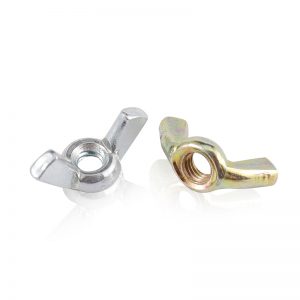
Wing Nut
Wing Nut Surface Treatment: A Small Detail That Matters
Surface treatment is often overlooked, but it affects long-term performance.
A plain wing nut may work in dry conditions, but it can oxidize over time. Zinc plating helps delay rust and keeps the surface cleaner.
If durability or appearance matters, choosing a wing nut with proper surface treatment is usually a better option.
Xinchi Wing Nut Manufacturer with Stable Production Capacity
For buyers, stable quality and reliable supply are often more important than price alone.
Xinchi Fastener Factory was established in 2007. It currently operates 102 cold heading machines, with a daily output of over 10 million pieces. The new factory covers 30,000 square meters, with two six-story buildings.
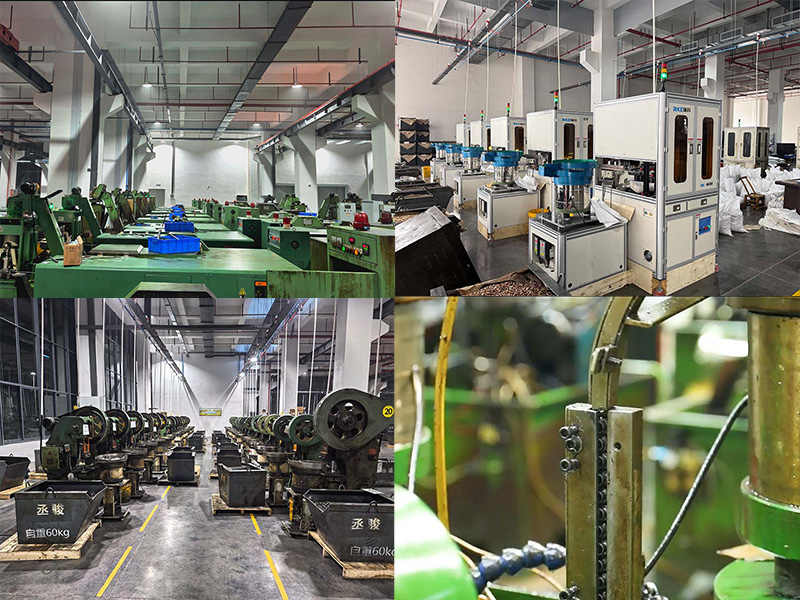
Xinchi Fasteners Factory
With this scale, Xinchi is able to offer a wide range of high-quality fasteners, including nuts, screws, bolts, rivets, washers, etc., and maintain consistent quality and stable delivery, which is important for long-term cooperation and bulk orders.