

How To Use Flange Bolts?
In the previous article, we introduced What Are Flange Bolts, and today we continue to introduce how to use flange bolts.
Using flange bolts involves a straightforward process, and their integrated washer-like flange simplifies the assembly by eliminating the need for a separate washer. Here’s a step-by-step guide on how to use flange bolts:
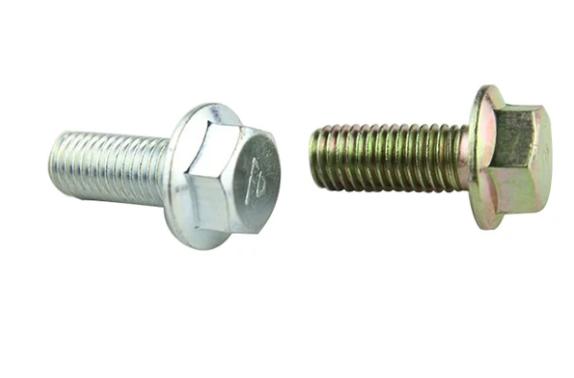
Materials Needed for using flange bolts:
Flange bolts
Matching nuts (if not already integrated)
Wrench or socket set
Steps for using flange bolts:
Select the Right Flange Bolts:
Choose flange bolts with the appropriate size, length, and material for your specific application. Check the specifications to ensure they meet the required strength and corrosion resistance.
Inspect the Flange Bolts:
Before use, inspect the flange bolts to ensure they are in good condition, free from damage, and meet the required specifications.
Prepare the Components:
If you are assembling two components, ensure that the surfaces are clean and free from debris or irregularities. Proper preparation of the components will contribute to a secure and stable connection.
Insert the Flange Bolt:
Insert the flange bolt through the aligned holes in the components you are connecting. Ensure that the threaded portion of the bolt is fully engaged with the threads in the receiving component.
Thread the Nut (if applicable):
If the flange bolt does not have an integrated nut, thread a matching nut onto the exposed threaded end of the bolt. Hand-tighten the nut to ensure it is securely engaged with the threads.
Tighten with a Wrench or Socket Set:
Use a wrench or socket set to tighten the flange bolt. If the flange bolt has an integrated nut, you can use the same tool to tighten it. If a separate nut is used, hold the bolt steady with one tool while tightening the nut with the other.
Torque to Specifications:
If specific torque values are provided by the manufacturer, use a torque wrench to achieve the recommended torque for the flange bolt. Following torque specifications ensures a proper and consistent connection.
Continue Tightening Until Snug:
Tighten the flange bolt until it is snug against the components being connected. Avoid over-tightening, as this could lead to damage or distortion of the components.
Repeat for Additional Bolts:
If your assembly involves multiple flange bolts, repeat the process for each one. Ensure that all bolts are tightened evenly to maintain a balanced and secure connection.
Inspect the Connection:
Once all flange bolts are tightened, inspect the connection to ensure that it is secure and stable. Verify that the flange is making proper contact with the surface of the connected components.
Trim Excess Thread (if necessary):
If there is an excess threaded end protruding from the nut, you can trim it using a hacksaw or another cutting tool.
Using flange bolts is generally straightforward, and their integrated washer-like flange simplifies the installation process. Always refer to the manufacturer’s guidelines for specific instructions and torque specifications related to the flange bolts you are using. Following proper installation procedures is essential to achieving a secure and reliable connection.
Xinchi Fastener Company is a trustworthy fastener company, especially in furniture nuts. And we are the designated fastener supplier to“STAPLE”. As a trusted fastener supplier, Xinchi Fastener Company can offer a wide range of high-quality fasteners, including T nuts, screws, bolts, rivets, washers, etc. If you want to know more about fasteners or want to wholesale fasteners, please feel free to contact us. And then our experienced and expert service team will reply to you as soon as possible.