

Is It Really Okay to Occasionally Mix Nuts? Don’t Be Misled by Similar Appearances
In assembly, maintenance, or on-site installation, this situation is surprisingly common: nuts and bolts from different standards look almost identical, and they even seem to thread together without much resistance. As a result, many people assume that occasionally mixing nuts is not a big problem.
However, from an engineering and standards perspective, this assumption is risky. While mixed nuts may appear usable at first, they often introduce hidden issues that can lead to loosening, thread damage, or even connection failure over time. As a professional fastener manufacturer, Xinchi is pleased to introduce the reason.
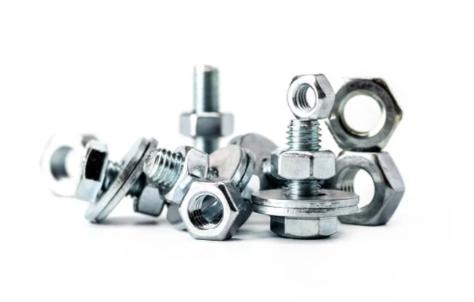
Nuts from Different Standards Are Not Truly Interchangeable
A nut-and-bolt connection is not just about similar size—it is based on matching thread standards.
Globally, common systems include metric threads (Metric) and imperial threads such as UNC and UNF. Although these nuts may look similar externally, they differ in critical parameters such as thread pitch, thread profile, and load distribution characteristics.
These differences are intentional by design. Nuts from different standards are engineered to work within their own systems, not to be used interchangeably.
Why Mixed Nuts Sometimes “Thread On”
In practice, you may find that a metric nut can partially thread onto an imperial bolt, or vice versa. This often creates the illusion that mixing nuts is acceptable.
In reality, this happens only because some thread dimensions are close enough to allow initial engagement. Since the thread pitch does not truly match, the nut and bolt do not achieve full surface contact. As a result, only a small number of threads actually carry the load, which is far from the intended design condition.
How Mixing Nuts Affects Load Performance
Under correct conditions, the load in a threaded connection is distributed across multiple engaged threads. When nuts are mixed across standards, this load distribution becomes uneven and highly concentrated.
- This can lead to several problems:
- Inconsistent or insufficient tightening torque
- Increased likelihood of loosening during service
- Accelerated thread wear and risk of stripping
- Higher failure risk under vibration or impact
While these issues may not appear immediately, they become more pronounced over time, especially in demanding applications.
Long-Term Safety Risks of Mixing Nuts
The most dangerous aspect of mixing nuts is that failures rarely occur instantly. Instead, damage accumulates gradually through repeated loading, vibration, or thermal cycling.
In mechanical equipment, structural assemblies, or safety-critical installations, this progressive degradation can eventually lead to connection failure, equipment damage, or safety hazards. For this reason, mixing nuts should never be treated as an acceptable shortcut.
The Correct Principle for Using Nuts
There is one fundamental rule for reliable threaded connections:
nuts and bolts must follow the same thread standard and specification.
If the thread standard is unclear, it should be verified using thread gauges, samples, or technical drawings—never by hand feel or visual judgment alone. For export-oriented products or international projects, clearly defining thread standards during the design and procurement stage is especially important.
Xinchi Fasteners Factory: Reducing the Risk of Mixed Nuts at the Source
When the correct matching of nuts and bolts is critical, a stable and standardized manufacturer makes a real difference. Xinchi Fasteners Factory provides consistent, clearly specified fastener products that help customers avoid the risks associated with mixed nuts.
Xinchi operates with 102 cold heading machines and achieves a daily output exceeding 10 million pieces, ensuring a stable supply across different nut standards and specifications. In addition, the company’s new production base covers 30,000 square meters and consists of two six-story modern factory buildings, designed to optimize production flow, storage, and quality control.

We are the designated fastener supplier to“STAPLE”. As a trusted fastener supplier, Xinchi offers a wide range of high-quality fasteners, including nuts, screws, bolts, rivets, and washers. Our products are widely used in automotive, machinery, construction, electronics, and furniture industries, trusted by global customers for stability, precision, and durability.
Through large-scale manufacturing capacity and strict process management, Xinchi Fasteners helps customers maintain clear thread standards, consistent quality, and reliable nut-and-bolt matching, reducing assembly risks and improving long-term connection reliability.