

Rivet Nut Selection for Different Working Conditions
A rivet nut is widely used when threads need to be added to thin sheet materials where tapping is not possible. It allows installers to create a strong internal thread from one side of the material, which is especially useful in sheet metal structures, equipment panels, and various metal assemblies.
However, not all rivet nuts perform the same way. In actual projects, the working environment often determines which rivet nut material and structure should be used. Factors such as corrosion exposure, required strength, or product weight can all influence the selection.
As a professional rivet nut manufacturer, Xinchi is glad to share how to choose the right rivet nut for different working conditions, hoping it can help avoid loosening, rusting, or early failure during use.
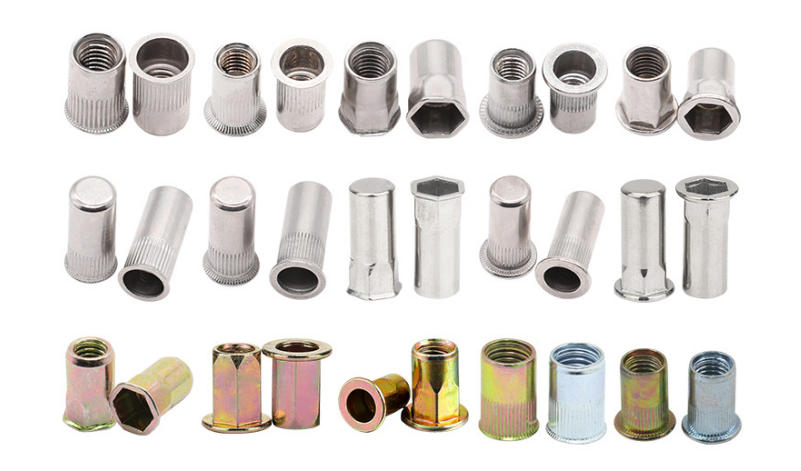
Corrosion-Resistant Rivet Nut Options for Outdoor or Humid Environments
When rivet nuts are used outdoors or in environments with moisture, corrosion becomes one of the main concerns. In these situations, selecting a corrosion-resistant rivet nut is important for maintaining long-term reliability.
A common choice is the stainless steel rivet nut. Stainless steel provides good resistance to rust and oxidation, making it suitable for outdoor equipment, ventilation systems, and various metal enclosures exposed to humidity. In marine or coastal environments, higher-grade stainless steel is often preferred because of its better resistance to salt corrosion.
For projects where cost control is also important, zinc-plated steel rivet nuts can be another practical option. With proper plating and surface treatment, these rivet nuts can handle moderate humidity conditions while remaining more economical for large-volume applications.
In general, the harsher the environment, the more attention should be paid to rivet nut material and surface treatment.
High Strength Rivet Nut Solutions for Load-Bearing Applications
Some assemblies require a threaded connection that can handle higher loads or frequent vibration. In these situations, a high-strength rivet nut becomes necessary to maintain fastening stability.
Carbon steel rivet nuts are commonly used for this type of application. Compared with aluminum versions, carbon steel provides higher strength and better resistance to deformation. This makes them suitable for machinery frames, equipment housings, and automotive-related structures.
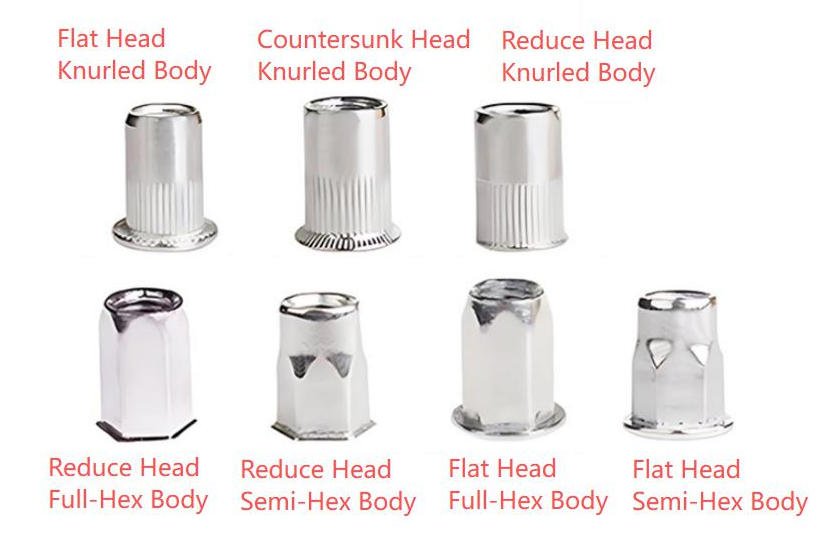
The body design of the rivet nut also plays an important role. For example, hex body rivet nuts can help prevent rotation after installation, while large flange rivet nuts provide a wider contact surface that improves pull-out resistance. These structural features are often used together with stronger materials to ensure the rivet nut performs well under load.
Lightweight Rivet Nut Choices for Thin Sheet Structures
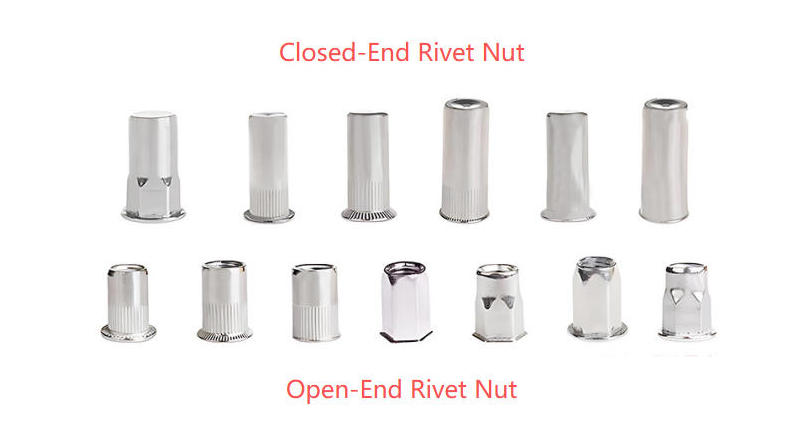
In industries such as electronics, lighting equipment, and lightweight metal products, reducing overall weight is often a design consideration. In these cases, a lightweight rivet nut can be a practical solution.
Aluminum rivet nuts are widely used in this type of application. They are significantly lighter than steel fasteners and offer good corrosion resistance in many environments. Aluminum rivet nuts also work well with aluminum panels and other thin sheet materials commonly used in lightweight structures.
Of course, aluminum rivet nuts are not designed for very high loads. They are usually selected when moderate fastening strength is enough, but keeping the structure light is important.
Practical Tips for Choosing the Right Rivet Nut
In real manufacturing projects, choosing the right rivet nut usually involves balancing several factors rather than focusing on just one. Engineers and buyers typically consider the following aspects: the environment where the rivet nut will be used, the strength required for the joint, the thickness of the base material, and the overall cost of the project.
For example, a stainless steel rivet nut may be ideal for corrosion resistance, while a carbon steel rivet nut may be more suitable when higher mechanical strength is required. Aluminum rivet nuts, on the other hand, are often selected when weight reduction is part of the product design.
Understanding these basic differences helps ensure the rivet nut performs reliably throughout the product’s service life.
Xinchi Fasteners – Experienced Rivet Nut Manufacturer
Xinchi Fasteners has been specializing in cold-formed fasteners since 2007. The factory currently operates 102 cold heading machines, with a daily production capacity of more than 10 million pieces, allowing us to support both large-volume orders and stable supply for long-term projects.
Our newly completed factory covers an area of 30,000 square meters, including two six-story production buildings, which significantly improves production efficiency and manufacturing capacity.
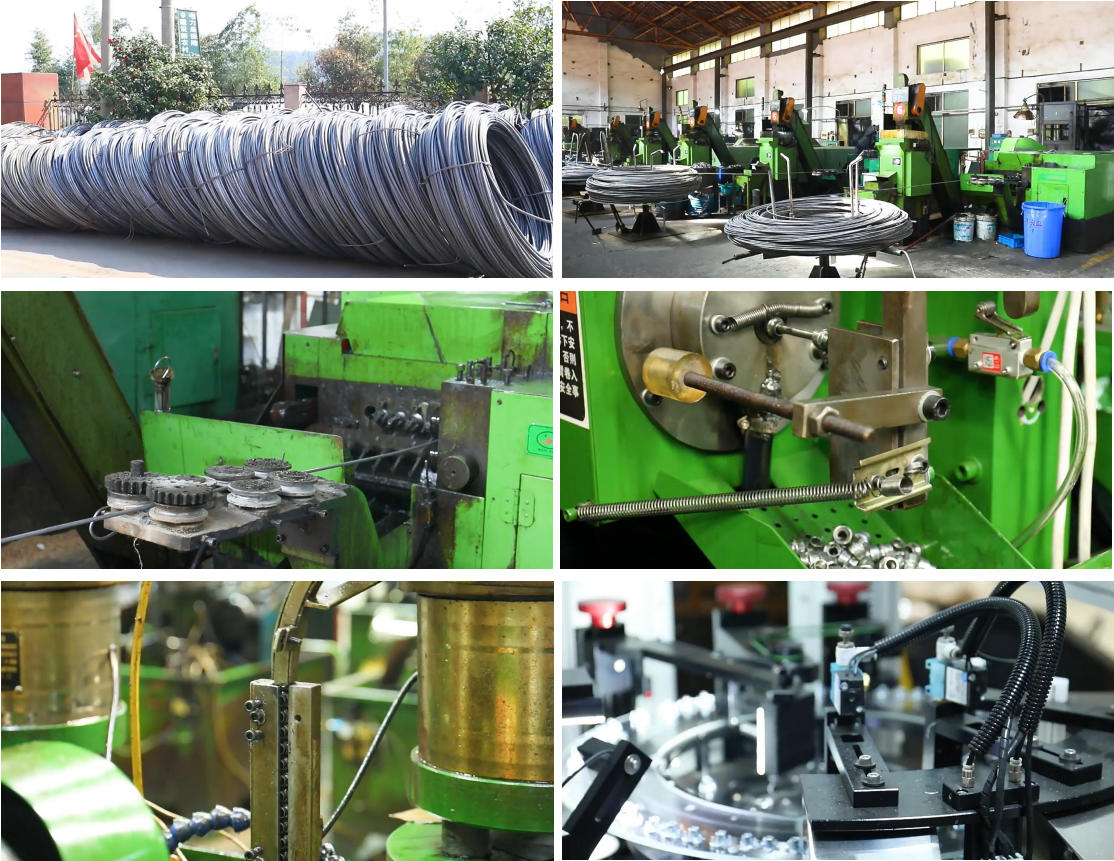
Xinchi Fasteners produces a wide range of industrial fasteners, including nuts, screws, bolts, rivets, and washers. serving customers in sheet metal fabrication, machinery, furniture hardware, and other manufacturing industries.
With years of production experience and strong manufacturing capacity, Xinchi aims to provide reliable fastening solutions for customers worldwide.