

Understanding the Hopper Feed T Nut Feeding Process
In modern automated production lines, Hopper Feed T Nuts are widely used in automatic nut insertion and assembly systems. A stable feeding process is essential for maintaining efficiency and reducing downtime during mass production.
As a professional T-Nut manufacturer, Xinchi Fasteners would like to briefly explain how the Hopper Feed T-Nut feeding process works, including its basic principle, feeding system design, and how it operates in real production environments.
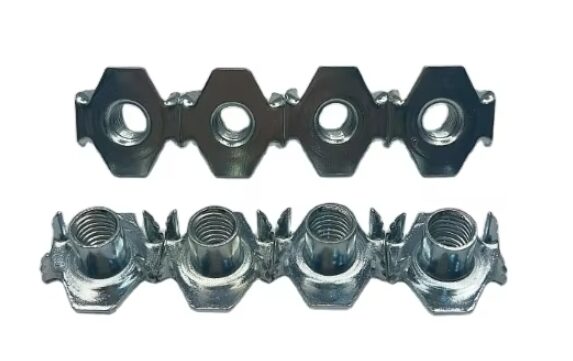
Hopper Feed T-nuts
Basic Principle of Hopper Feed T Nut Feeding
The feeding process of Hopper Feed T Nuts usually starts with the hopper design. In most automated systems, the hopper is built in a conical or cylindrical shape. With the help of gravity and controlled vibration, the T Nuts gradually move toward the feeding channel.
During this stage, each Hopper Feed T Nut moves along the track through vibration, rolling, or sliding. The goal is to keep the nuts moving in one direction so they can be supplied continuously to the next stage of the production line.
At this point, the feeding efficiency mainly depends on two factors: hopper capacity and vibration frequency. If the vibration is too strong, T Nuts may overlap or flip, which can interrupt the following assembly process. If the vibration is too weak, the nuts may accumulate and cause blockages. For this reason, proper vibration adjustment and hopper angle design are important for keeping the Hopper Feed T Nut feeding process stable.
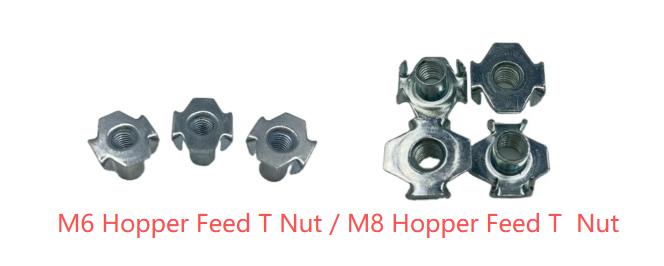
M6 M8 Hopper Feed T Nut
Feeding System Design for Hopper Feed T Nut
The feeding system is the key part of the Hopper Feed T Nut feeding process. In most automated setups, it includes a vibratory bowl feeder, guide tracks, and feeding tubes.
The vibratory bowl feeder helps arrange the T Nuts into a single line. Through controlled vibration, the nuts gradually move along the track at a steady speed. The guide track then ensures that each Hopper Feed T Nut enters the feeding tube in the correct orientation.
A well-designed feeding system helps reduce jamming and improves the overall efficiency of the assembly line. For example, small adjustments to the guide track angle can reduce the chance of T Nuts rotating or flipping while being transported. This makes it easier for downstream equipment, such as robotic arms or automatic insertion tools, to position the nuts accurately.
The design of the feeding tube also matters. Tube length, material, and internal smoothness can all influence how easily the Hopper Feed T Nut moves through the system. Smooth inner surfaces and reasonable bending angles can reduce friction and allow the nuts to reach the assembly equipment more smoothly.

m8 large base hopper feed t nut
How Hopper Feed T Nut Works in Automated Production
In real manufacturing environments, the Hopper Feed T Nut feeding process is typically integrated into an automatic assembly line.
The T Nuts first move from the hopper into the feeding system. After passing through the vibratory bowl feeder and guide tracks, they are aligned and delivered to the installation position. At this stage, an automated mechanism or robotic arm places each Hopper Feed T Nut into the designated hole or installation point.
Because the entire process is automated, manufacturers can achieve higher production efficiency and better installation consistency.
In many factories, visual inspection systems are also used to monitor the feeding process. These systems can detect incorrect orientation or blockages in real time. Once an issue is detected, the system can stop the line or send an alert so the problem can be corrected quickly, reducing downtime and defective products.
Advantages of Xinchi Fasteners Factory
Xinchi Fasteners Factory has been specializing in fastener manufacturing since 2007. The factory currently operates 102 cold heading machines, with a daily production capacity of over 10 million pieces.
Our new production facility covers 30,000 square meters, with two six-story buildings equipped with modern production equipment and automated lines.
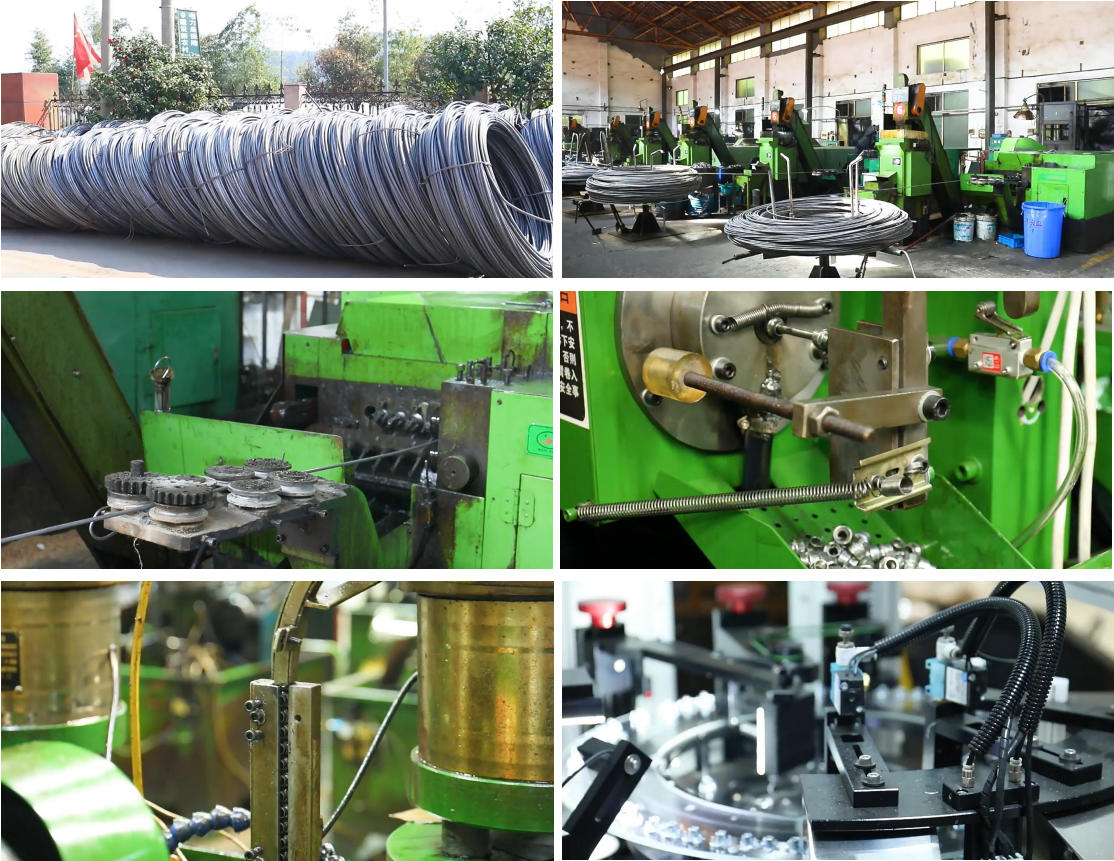
Xinchi Fastener Factory
With years of experience in manufacturing Hopper Feed T Nuts, Xinchi is able to provide stable product quality suitable for automated feeding and assembly systems. As a reliable fastener supplier, we also supply a full range of fasteners, including nuts, screws, bolts, rivets, and washers.
From raw material selection to final inspection, every fastener produced in our factory goes through strict quality control to ensure durability, consistency, and reliable performance in industrial applications.