

What Are The Methods Of Hexagon Bolt Blackening?
Blackening of hexagon bolts, also known as black oxide coating, is a common surface treatment process used to improve corrosion resistance and reduce light reflection, while also giving the bolts a more appealing black finish. There are several methods for achieving a blackened surface on hexagon bolts, with the most common ones being:
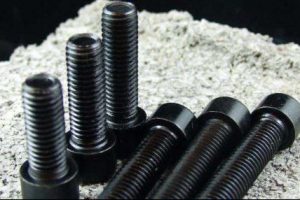
- Hot Black Oxide
This is the most common and effective method for blackening steel and stainless steel parts. The process involves dipping the hexagon bolts in a hot bath of sodium hydroxide, nitrates, and nitrites at a temperature of around 285°F (140°C) for steel and 250°F (121°C) for stainless steel. The chemical reaction between the hot solution and the metal surface produces a magnetite (Fe3O4) layer on the bolt, giving it a black finish. This method provides the best corrosion resistance and durability.
- Cold Blackening
Cold blackening is a room-temperature process that uses a solution containing selenium dioxide or copper selenide to produce a black finish on metal surfaces. It is less hazardous and easier to apply than hot black oxide but does not offer the same level of corrosion resistance or durability. Cold blackening is often used for aesthetic purposes or for parts that cannot withstand the high temperatures of the hot black oxide process.
- Mid-Temperature Black Oxide
This process operates at temperatures between hot and cold blackening methods, typically around 220-245°F (104-118°C). It is a relatively newer process that aims to offer a compromise between the ease of cold blackening and the durability of hot black oxide finishes. The mid-temperature process can provide a high-quality black finish with better dimensional control compared to hot black oxide.
- Electrochemical Blackening (Black Anodizing for Aluminum)
Although not used for steel or stainless steel hexagon bolts, for aluminum bolts, an electrochemical process known as anodizing can be used to achieve a black finish. This process involves using an electrolytic solution and an electrical current to produce a thick layer of aluminum oxide on the surface, which can then be dyed black. This method provides excellent corrosion resistance and durability.
Preparation and Post-Treatment
Regardless of the blackening method chosen, proper surface preparation is crucial for achieving a quality finish. This typically involves cleaning to remove grease, oil, and other contaminants, as well as possibly sandblasting or pickling to remove rust or scale. After blackening, the bolts are often sealed with a water-displacing oil or a similar protective coating to enhance corrosion resistance.
The choice of blackening method depends on the specific requirements of the application, including the desired appearance, corrosion resistance, wear resistance, and the material of the bolts.
Xinchi Fastener Company is a trustworthy fastener company, especially in furniture nuts. We have a factory, which was founded in 2007(Factory Video). And we are the designated fastener supplier to“STAPLE”. As a trusted fastener supplier, Xinchi Fastener Company can offer a wide range of high-quality fasteners, including T nuts, screws, bolts, rivets, washers, etc. If you want to know more about fasteners or want to wholesale fasteners, please feel free to contact us. And then our experienced and expert service team will reply to you as soon as possible.