

Flange Nut Materials and Surface Finishes
Flange nuts are used in many fastening applications, including machinery, automotive parts, and industrial equipment. They have a built-in flange that provides a wider bearing surface against the connected part.
Flange nuts are available in different materials and surface finishes. Carbon steel and stainless steel are common choices, while the surface treatment can affect corrosion resistance and appearance. The right option depends on the application and working environment.
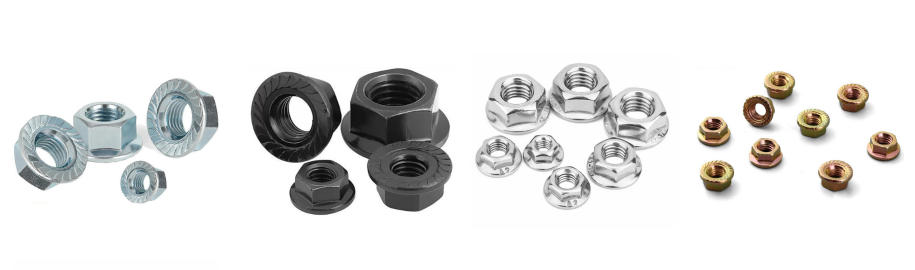
flange nuts
Common Materials Used for Flange Nuts
Carbon steel and stainless steel are two common materials used to manufacture flange nuts. They differ in strength, corrosion resistance, and typical applications.
Carbon Steel: Widely used for general industrial fastening. It offers good mechanical strength and is available in different property classes. Since carbon steel can rust when exposed to moisture, a suitable surface treatment is often applied.
Stainless Steel: Commonly used where corrosion resistance is important. Stainless steel flange nuts are suitable for many outdoor and moisture-exposed applications, although their corrosion resistance depends on the specific grade and environment.
When choosing a flange nut, consider both the material grade and the required mechanical properties. The material should also be compatible with the mating bolt.
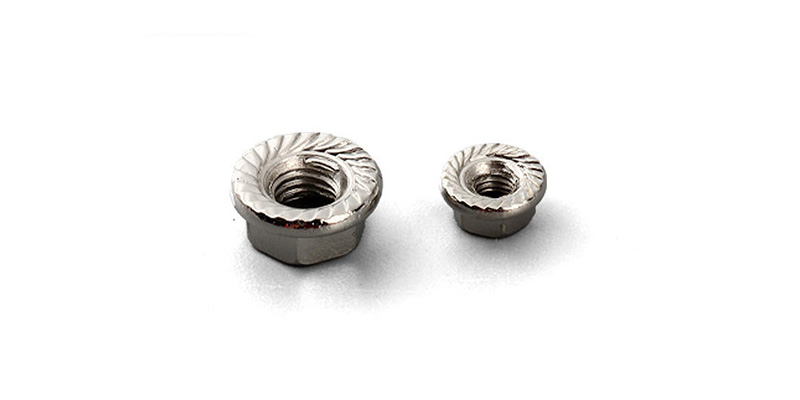
flange nuts
Common Surface Finishes for Flange Nuts
Carbon steel flange nuts are available with different surface finishes. The choice depends on the required corrosion protection and the working environment.
Zinc Plating: One of the most common finishes for carbon steel flange nuts. It provides basic corrosion protection and is widely used in general fastening applications.
Hot-Dip Galvanizing: Creates a thicker zinc coating than standard electroplating. It is often used where greater corrosion protection is required. Coating thickness and thread fit should be considered when selecting this finish.
Black Oxide: Gives flange nuts a black appearance but offers limited corrosion protection on its own. Oil or another protective treatment is often used to improve rust resistance.
For stainless steel flange nuts, the corrosion resistance of the stainless steel grade itself is usually the main consideration. An additional coating is not always necessary.
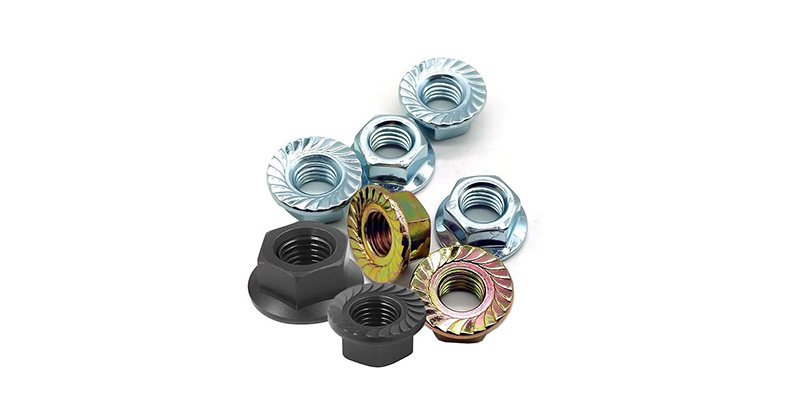
flange nuts
What to Consider When Choosing Flange Nuts
Before ordering flange nuts, check a few details to make sure the selected fasteners meet the requirements of the application.
Working Environment: Consider whether the flange nuts will be used indoors, outdoors, or in contact with moisture or chemicals.
Strength Requirements: Check the required property class and make sure the nut is suitable for the mating bolt and expected load.
Surface Finish: Select a suitable finish based on the required corrosion protection and appearance.
Thread Size and Compatibility: Confirm the thread size, pitch, and fit with the corresponding bolt.
For example, zinc-plated carbon steel flange nuts are commonly used in general machinery, while stainless steel flange nuts may be a better choice for applications exposed to moisture. The final selection should always be based on the actual operating conditions.
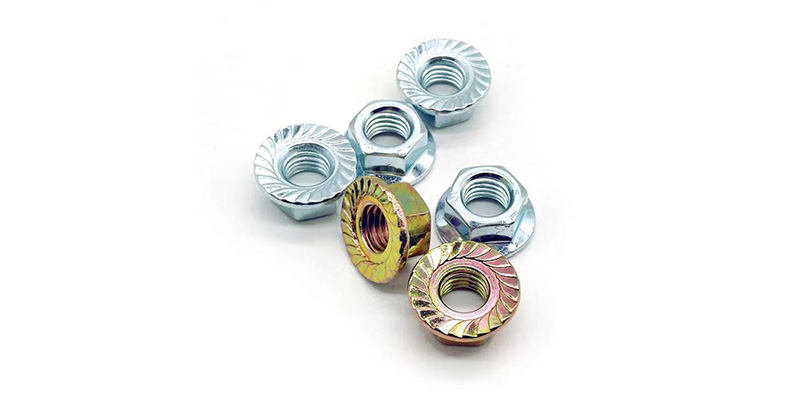
flange nuts
Flange Nut Manufacturing at Xinchi Fastener Factory
Xinchi Fastener Factory was established in 2007. Our factory has 102 cold heading machines, with a daily production capacity of more than 10 million pieces.
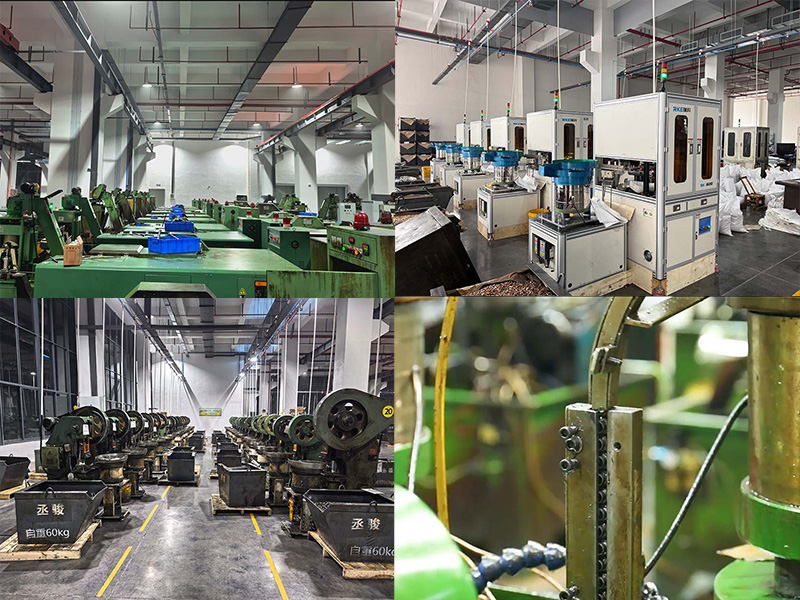
Xinchi Fastener Factory
Our new factory covers 30,000 square meters and consists of two six-story buildings. In addition to flange nuts, we supply DIN1624 T nuts, Hopper Feed T Nuts, rivet nuts, threaded insert nuts, bolts, washers, and other fasteners.
Contact Xinchi Fastener Factory for product details and custom fastener requirements.
Recent Comments