

Types of Rivet Nuts and Their Applications in Different Industries
In thin sheet fastening applications, the rivet nut (also known as a blind rivet nut or threaded insert) is widely used to create strong internal threads in materials that are too thin for tapping. Compared with welding nuts, a rivet nut allows single-sided installation and avoids heat distortion, making it highly suitable for sheet metal and hollow structures.
With different performance requirements across industries, various types of rivet nuts have been developed. Head styles, body shapes, and end structures all influence load capacity, anti-rotation performance, and sealing ability.
As a professional rivet nut manufacturer, Xinchi is glad to share a practical overview of the main rivet nut types and their typical applications.
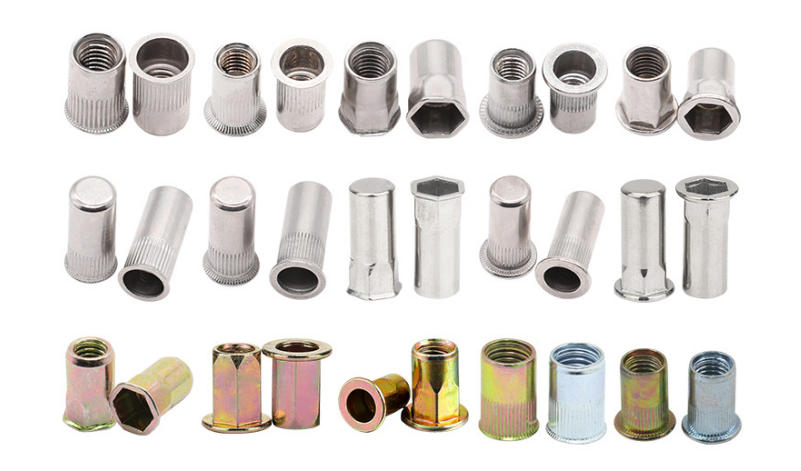
rivet nut
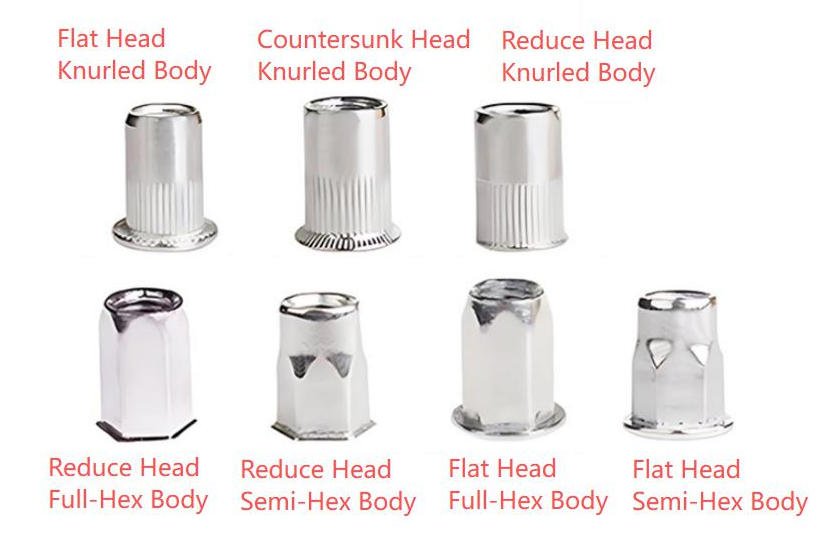
Flat Head Rivet Nut and Large Countersunk Rivet Nut
The flat head rivet nut is the most commonly used type in sheet metal assembly. Its larger flange provides a wide bearing surface after installation, improving stability in standard applications. It is frequently used in electrical cabinets, enclosures, metal housings, and general sheet metal fabrication.
The large countersunk rivet nut is designed for applications where a flush surface is required. After installation, the head sits nearly level with the panel surface, offering a cleaner appearance. This type is often chosen for automotive interior parts, equipment panels, and products where surface flatness matters. Pre-countersinking is required before installation.
rivet nut
Small Countersunk / Reduced Head Rivet Nut for Lightweight Structures
The reduced-head rivet nut provides a flush finish similar to the large countersunk type but with a smaller head diameter. It is suitable for thin materials and space-limited assemblies.
This rivet nut type is commonly used in electronics housings, communication equipment, and lightweight metal structures where both appearance and weight control are important.
Cylindrical Rivet Nut vs. Full Hex Rivet Nut vs. Half Hex Rivet Nut
Based on body shape, rivet nuts are available in cylindrical rivet nut, full hex rivet nut, and half hex rivet nut designs.
The cylindrical rivet nut is installed in a round hole and is cost-effective for general fastening applications. However, under high torque conditions, its anti-rotation performance may be limited.
The full hex rivet nut requires a hexagonal hole and provides excellent anti-rotation resistance. It is widely used in automotive chassis components, heavy equipment, and structures subject to higher torque loads.
The half hex rivet nut combines ease of installation with improved anti-rotation performance. It is commonly used in medium-load applications where full hex punching is not practical.
Open-End Rivet Nut and Closed-End Rivet Nut
From the bottom structure perspective, rivet nuts are divided into open-end rivet nuts and closed-end rivet nuts.
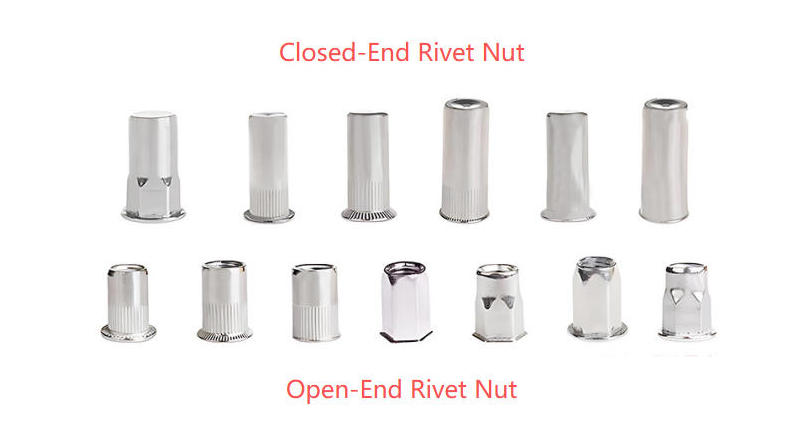
closed-end rivet nut & open-end rivet nuts
The open-end rivet nut is the standard and most widely used type. It is suitable for general sheet metal assemblies, furniture hardware, mechanical parts, and industrial equipment.
The closed-end rivet nutfeatures a sealed bottom, preventing liquid, dust, or gas from entering the internal thread. This design is particularly useful in automotive engine compartments, outdoor equipment, aerospace structures, and applications requiring better sealing performance.
Rivet Nut Applications in Sheet Metal, Automotive, Furniture, and Aerospace
The rivet nut has become an essential fastening solution across multiple industries.
In sheet metal fabrication, rivet nuts are used in cabinets, control panels, electrical enclosures, and metal housings to create reliable internal threads.
In the automotive industry, hex rivet nuts and closed-end rivet nuts are commonly applied in body panels, seat brackets, structural supports, and interior assemblies.
In furniture manufacturing, especially metal-frame and modular furniture, rivet nuts allow easy assembly and disassembly while maintaining structural strength.
In aerospace and lightweight engineering, rivet nuts are used where single-sided installation is required, and material thickness is limited. High-strength and sealed types are often preferred in these applications.
How to Choose the Right Rivet Nut
When selecting a rivet nut, it is important to consider material thickness, load requirements, torque resistance, and environmental conditions.
For general sheet metal applications, flat head or cylindrical rivet nuts are usually sufficient. For high torque environments, full hex rivet nuts are recommended. For applications exposed to moisture or dust, closed-end rivet nuts provide better sealing.
Material selection is also critical. Carbon steel rivet nuts offer cost efficiency, stainless steel rivet nuts provide corrosion resistance, and aluminum rivet nuts are suitable for lightweight assemblies.
Xinchi Fasteners Factory Advantages
Founded in 2007, Xinchi Fasteners specializes in the manufacturing of rivet nuts and other fastening products.
The factory operates 102 cold heading machines with a daily production capacity exceeding 10 million pieces. The newly completed production facility covers 30,000 square meters and comprises two six-story buildings, ensuring stable, large-scale manufacturing capability.
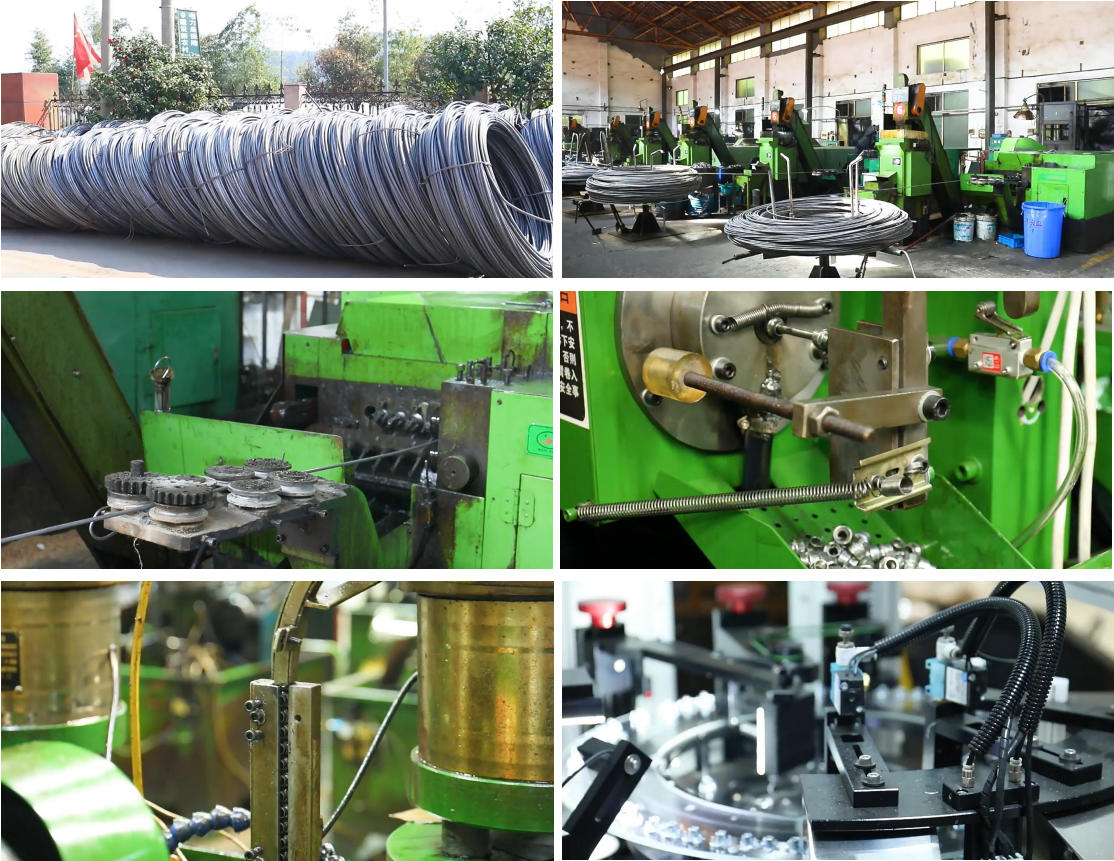
Xinchi Fastener Factory
With mature cold-forming technology and strict quality-control processes, Xinchi supplies various types of rivet nuts, including flat-head, countersunk, hex-body, open-end, and closed-end rivet nuts. As a trusted fastener supplier, Xinchi offers a wide range of high-quality fasteners, including nuts, screws, bolts, rivets, and washers. We support customized specifications and bulk OEM orders for clients worldwide.
If you are sourcing rivet nuts for sheet metal, automotive, furniture, or aerospace applications, Xinchi provides stable production capacity and consistent quality support.
Recent Comments