

How to Choose the Right Drill Size for Threaded Inserts
Installing threaded inserts correctly starts with selecting the proper drill size. Using a drill bit that is too large or too small can compromise thread engagement, reduce holding strength, or even damage the workpiece.
As a professional thread insert nut manufacturer, Xinchi is glad to introduce how to choose the right drill size for various types of threaded inserts to ensure secure and long-lasting connections.

Threaded Inserts for Wood
Understanding Threaded Inserts and Drill Size Requirements
Threaded inserts provide durable, reusable threads in materials like wood, plastic, and metal. Different types of inserts—such as heat-set inserts, press-fit inserts, and screw-in inserts—have specific drill size requirements. Choosing the correct drill size ensures a snug fit without splitting the material or creating loose threads.
Always refer to the manufacturer’s specifications before installation. These specifications usually provide recommended pilot hole diameters. Ignoring these guidelines can weaken the connection and reduce overall performance.
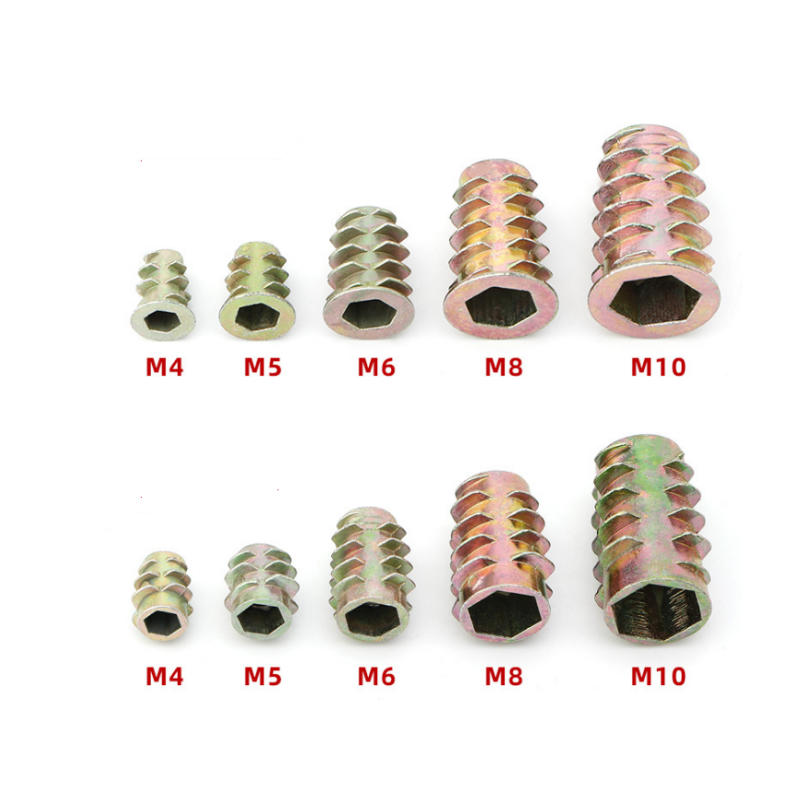
thread insert nut
Measuring Drill Size for Screw-In Threaded Inserts
For screw-in threaded inserts, the drill size should match the insert’s outer thread diameter. A hole that is too small increases installation torque and may damage the insert or workpiece, while a hole that is too large results in poor grip.
To determine the correct drill size, measure the insert’s outer thread diameter using a caliper or ruler, then consult the manufacturer’s installation chart for the recommended pilot hole. This ensures flush installation and maximum holding strength.
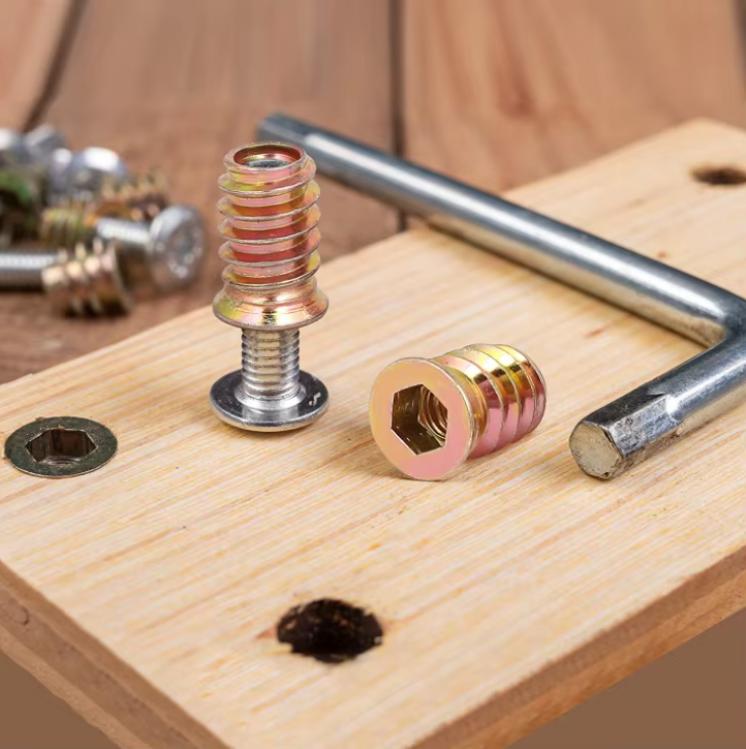
thread insert nut for wood
Drill Size Considerations for Heat-Set Threaded Inserts
Heat-set threaded inserts, commonly used in plastics, require precise drill sizing to prevent cracking or material deformation. For heat-set threaded inserts, the pilot hole should be slightly smaller than the insert’s outer diameter, allowing the heated insert to displace surrounding material properly.
When drilling, make sure the drill bit is sharp and perpendicular to the workpiece. Controlling drilling speed and feed helps avoid chipping or warping, resulting in a clean installation.
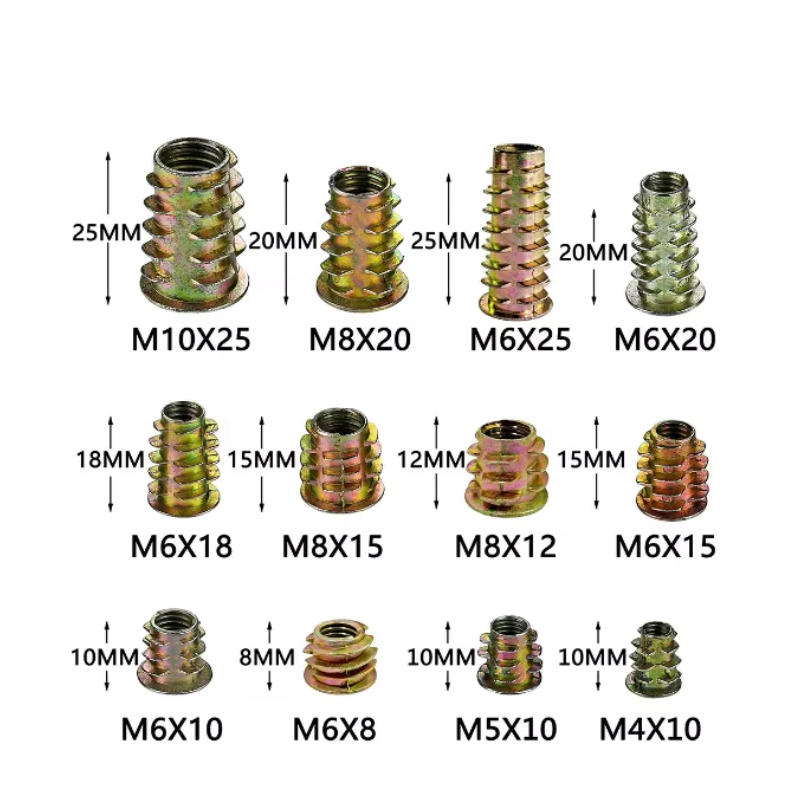
thread insert nut
Best Practices for Installing Threaded Inserts
Regardless of the insert type, following best practices ensures a successful installation:
- Use a straight, sharp drill bit to maintain accurate hole size.
- Check the recommended insertion depth to avoid over- or under-insertion.
- For larger inserts, consider a step drill or countersink to facilitate smoother installation.
These measures prevent stripped threads or misaligned inserts, enhancing the durability of the assembly.
Why Drill Size Matters for Threaded Insert Performance
Selecting the right drill size directly affects threaded insert performance. A properly sized hole ensures full thread engagement, maximizes holding power, and minimizes material damage. Correct installation reduces maintenance and prevents component failures, making it essential for woodworking and metalworking applications.
Xinchi Fasteners Factory Advantages
Founded in 2007, Xinchi Fasteners Factory specializes in high-quality fasteners. With 102 cold-heading machines and a daily output exceeding 10 million pieces, the factory has strong production capacity and precision manufacturing capabilities. The new factory spans 30,000 square meters with two six-story buildings, featuring modern facilities that guarantee each nut, bolt, and threaded insert meets high standards.
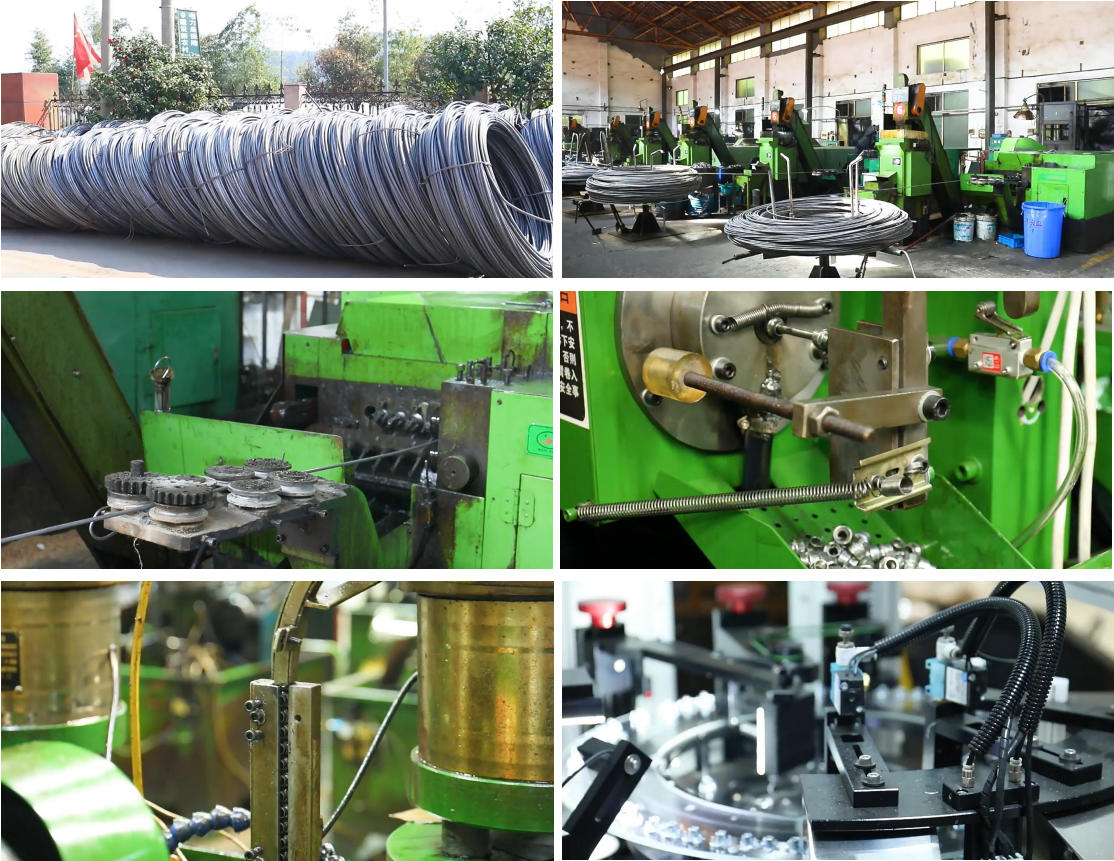
Xinchi Fastener Factory
As a trusted fastener supplier, Xinchi offers a wide range of high-quality fasteners, including nuts, screws, bolts, rivets, and washers. Whether standard or custom specifications are required, Xinchi Fasteners Factory provides reliable and durable fastening solutions.