

Rivet Nut Material Selection: Steel, Stainless Steel, Aluminum, and Copper
Choosing the right rivet nut material can make a big difference in how well your project holds up. Whether you are designing a machine, assembling electronics, or sourcing components for production, as a professional rivet nut manufacturer, Xinchi is glad to help you understand the strengths and weaknesses of steel, stainless steel, aluminum, and copper rivet nuts.
Rivet nut
Steel Rivet Nuts: Strong and Cost-Effective
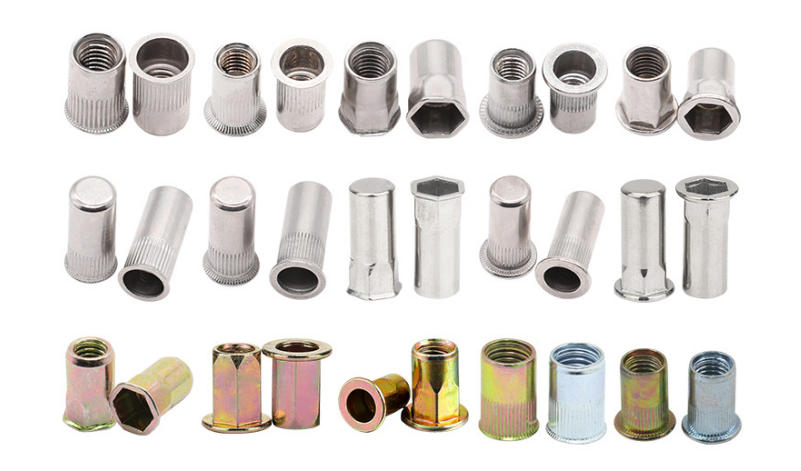
Steel rivet nuts are known for their high strength and load-bearing ability. They are a practical choice when durability matters most, and they usually cost less than stainless steel alternatives.
One thing to keep in mind is that standard steel can rust if exposed to moisture. Many steel rivet nuts are zinc-plated or coated to improve corrosion resistance, which works well for indoor or protected applications where strength is the priority.
Rivet Nut
Stainless Steel Rivet Nuts: Corrosion-Resistant and Long-Lasting
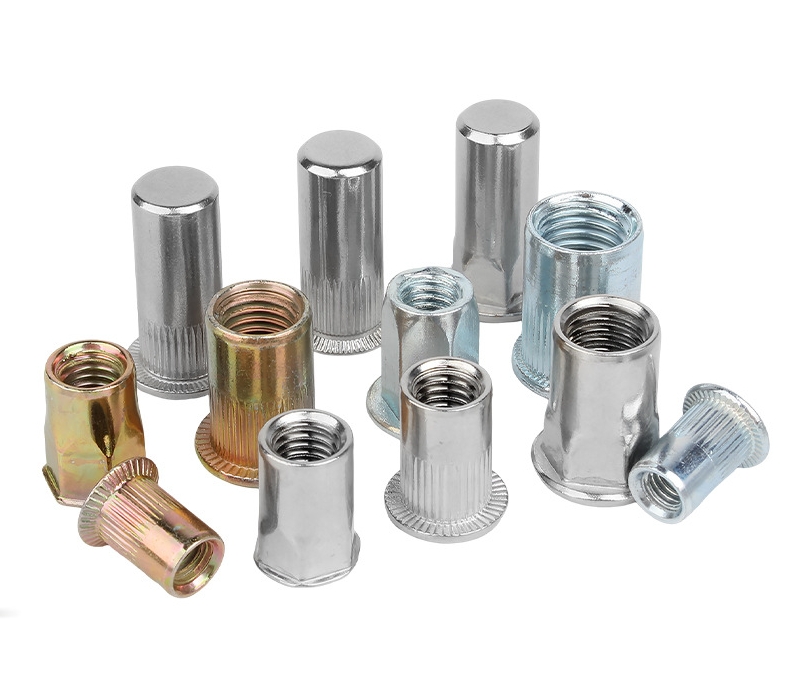
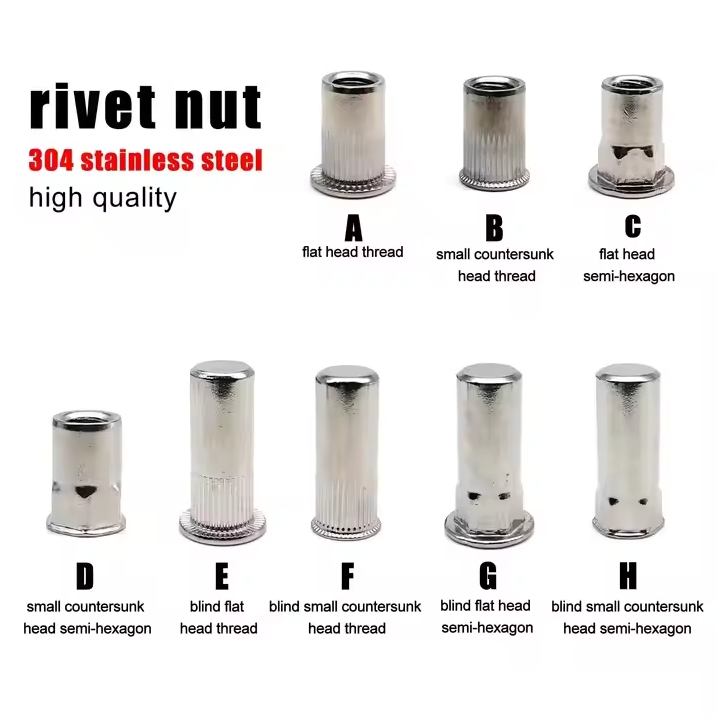
If your project will face moisture, chemicals, or outdoor conditions, stainless steel rivet nuts are the safer bet. They resist rust naturally and last much longer in harsh environments.
Though stainless steel tends to be pricier than regular steel, its durability often makes it more cost-effective in the long run. It’s a solid choice for automotive parts, machinery, or any application where both strength and corrosion resistance are important.
Rivet Nut
Aluminum Rivet Nuts: Lightweight and Easy to Work With
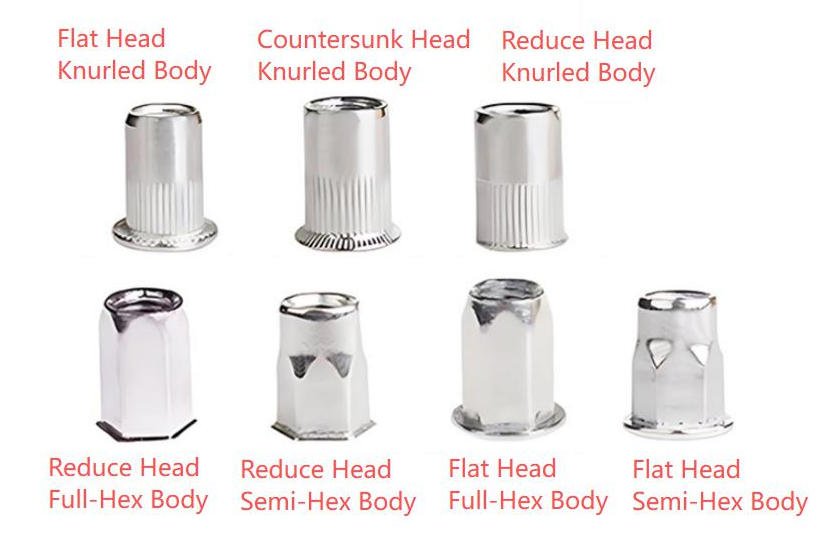
Aluminum rivet nuts are lighter and easier to handle than steel or stainless steel. They are often used in automotive, aerospace, or electronics applications where weight matters. Aluminum also resists corrosion without additional coating, making it low-maintenance.
The trade-off is lower mechanical strength, so aluminum is best for lighter-duty applications or where repeated assembly and disassembly are needed.
Rivet Nut
Copper Rivet Nuts: Conductive and Specialized
Copper rivet nuts are mainly used where electrical conductivity or specific corrosion resistance is needed. They are softer than steel, which allows for tight fastening in softer materials, but they are not as strong.
Typical uses include electrical panels, electronics housings, and decorative applications where appearance or conductivity is important.
Rivet nut
How to Choose the Right Rivet Nut Material
The best rivet nut material depends on your project requirements: load, environment, and cost. Steel is strong and affordable, stainless steel lasts in harsh conditions, aluminum is lightweight and easy to install, and copper works for specialized electrical or decorative needs. Understanding these differences helps you make the right choice without overpaying or compromising performance.
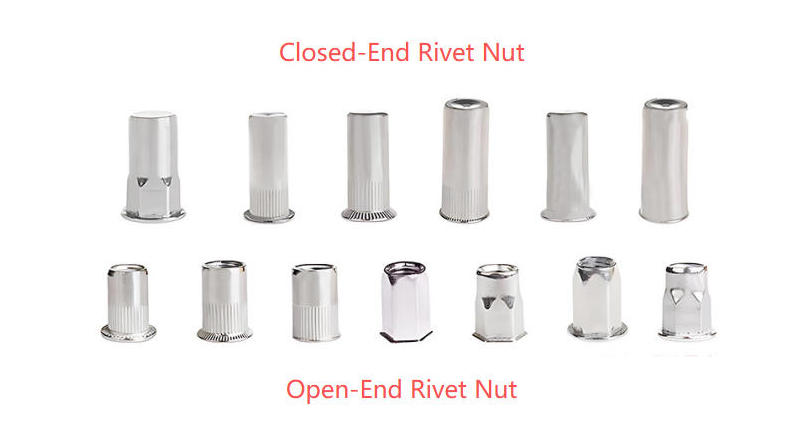
Rivet nut
Xinchi Fastener Factory Advantages
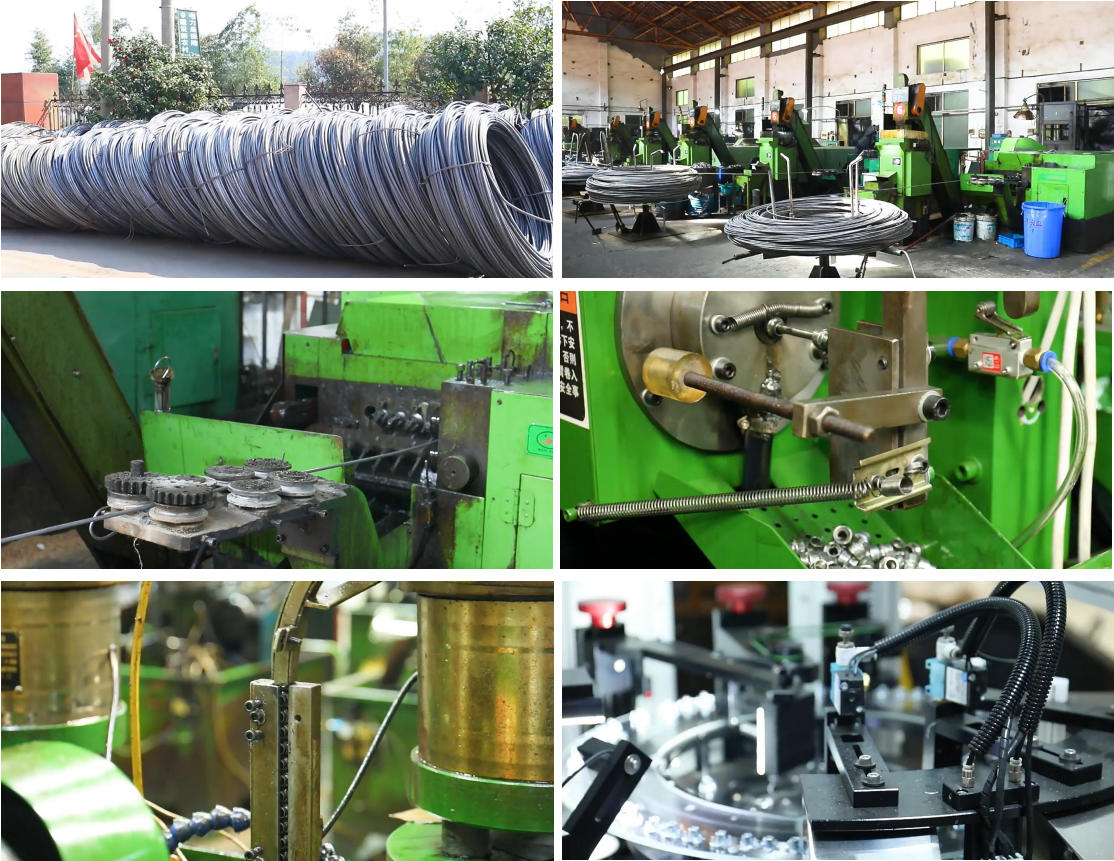
Xinchi Fastener Factory, founded in 2007, has been producing high-quality rivet nuts for over a decade. With 102 cold-heading machines and a daily output of over 10 million pieces, Xinchi ensures a reliable supply and consistent quality.
The factory covers 30,000 square meters, including two six-story buildings, and offers:
- High-volume production for stable supply
- Expertise in multiple materials and surface treatments
- Strict quality control for strength and corrosion resistance
- Customization options for specific customer needs
Xinchi Fastener Factory
Xinchi Fasteners produces a wide range of industrial fasteners, including nuts, screws, bolts, rivets, and washers. With Xinchi, you can get durable and reliable fasteners for automotive, industrial, or electronics applications.