

How to Select the Correct DIN 935 Castle Nut Size
DIN 935 castle nuts are widely used in automotive, machinery, and industrial applications where secure fastening is required. With their slotted design, these nuts can be installed with a cotter pin to help prevent loosening caused by vibration or movement.
As a professional castle nut manufacturer, Xinchi Fastener Factory would like to share some practical information about how to choose the right DIN 935 castle nut size. The correct selection mainly depends on thread compatibility, load requirements, and safety considerations to ensure reliable fastening performance in different applications.
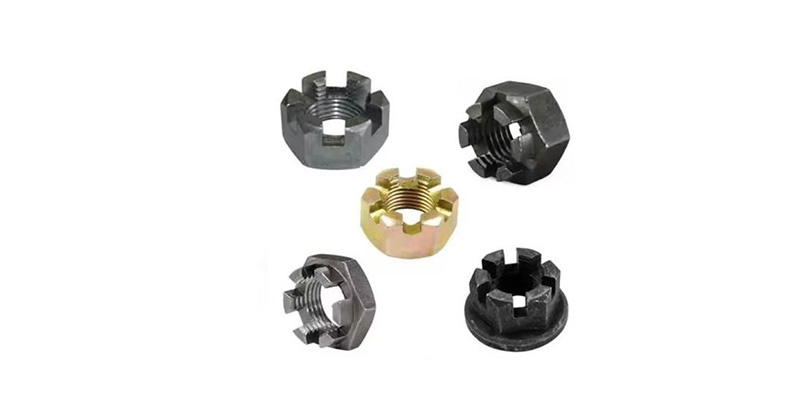
Castle Nuts
DIN 935 Castle Nut Thread Matching: Ensure Proper Compatibility
When selecting a DIN 935 castle nut, the first thing to consider is whether the nut matches the bolt or threaded shaft correctly. A proper thread fit ensures smooth installation and helps maintain the strength of the fastening connection.
DIN 935 castle nuts are available in various metric sizes, including common sizes such as M6, M8, M10, M12, and larger options for heavy-duty applications. Besides the thread diameter, the thread pitch and tolerance should also be checked before ordering.
Before choosing a DIN 935 slotted castle nut, it is important to confirm:
- Bolt thread size and pitch
- Required DIN standard
- Material compatibility between nut and bolt
Selecting the correct thread specification helps avoid assembly problems and improves overall fastening reliability.
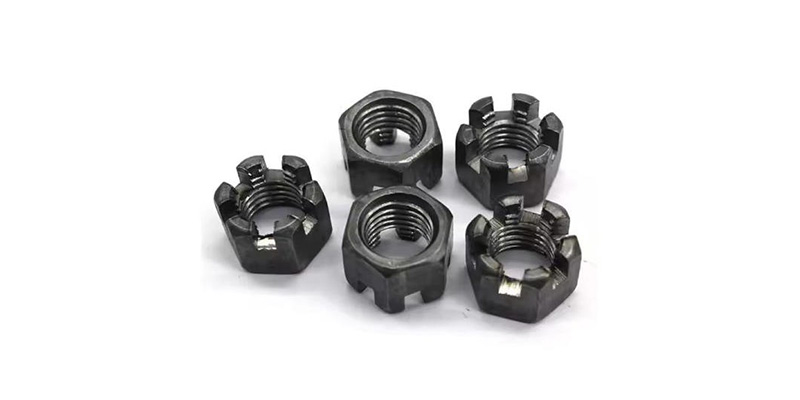
Castle Nuts
DIN 935 Castle Nut Load Selection: Choose the Right Size for the Application
The working environment plays an important role when selecting the right DIN 935 castle nut size. Different applications may experience different levels of load, vibration, or impact, which means the required nut size and strength can vary.
For light mechanical equipment, smaller castle nuts may be suitable. However, automotive components, machinery, and other high-load applications usually require larger sizes with suitable strength levels.
When selecting a DIN 935 castle nut, consider:
- Operating load and working conditions
- Vibration and impact forces
- Required service life of the assembly
Choosing the correct castle nut size helps improve fastening stability and reduces the risk of loosening during operation.
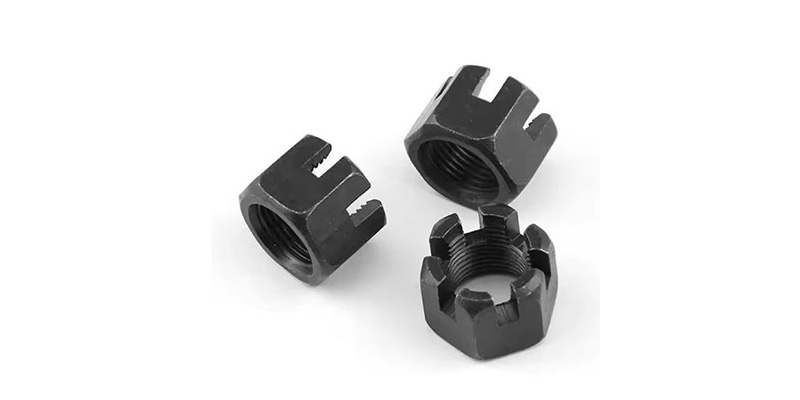
Castle Nuts
DIN 935 Castle Nut Safety Factor: Improve Fastening Reliability
Safety is one of the main reasons why DIN 935 castle nuts are used in many critical applications. The slots on the nut allow a cotter pin to pass through the bolt, creating an additional locking method to prevent unwanted rotation.
For assemblies exposed to continuous vibration or movement, this mechanical locking feature provides extra protection compared with standard nuts.
To achieve better fastening reliability, the castle nut size should be selected together with the correct bolt specification and cotter pin. A properly matched fastening system can improve safety and extend the service life of the components.
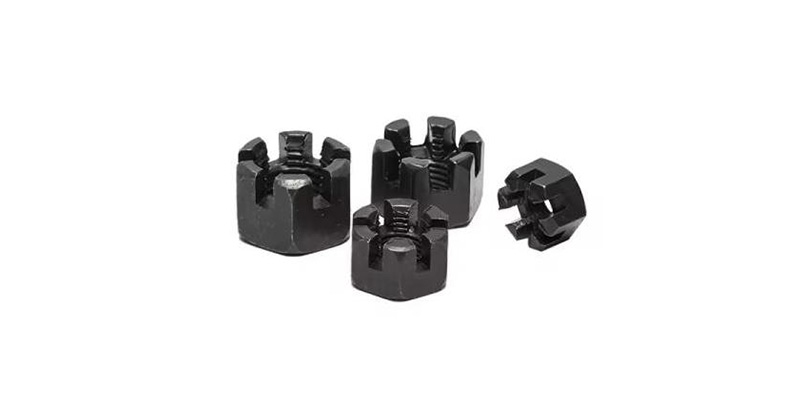
Castle Nuts
DIN 935 Castle Nut Manufacturer: Reliable Quality for Industrial Applications
Choosing a reliable DIN 935 castle nut manufacturer is important for ensuring consistent quality and stable supply, especially for large-volume industrial applications.
Xinchi Fastener Factory was established in 2007 and specializes in manufacturing high-quality fasteners, including DIN 935 castle nuts and customized fastening products. With 102 cold heading machines, a daily production capacity of more than 10 million pieces, and a newly completed factory covering 30,000 square meters, Xinchi Fastener Factory provides strong production capability and reliable supply support.
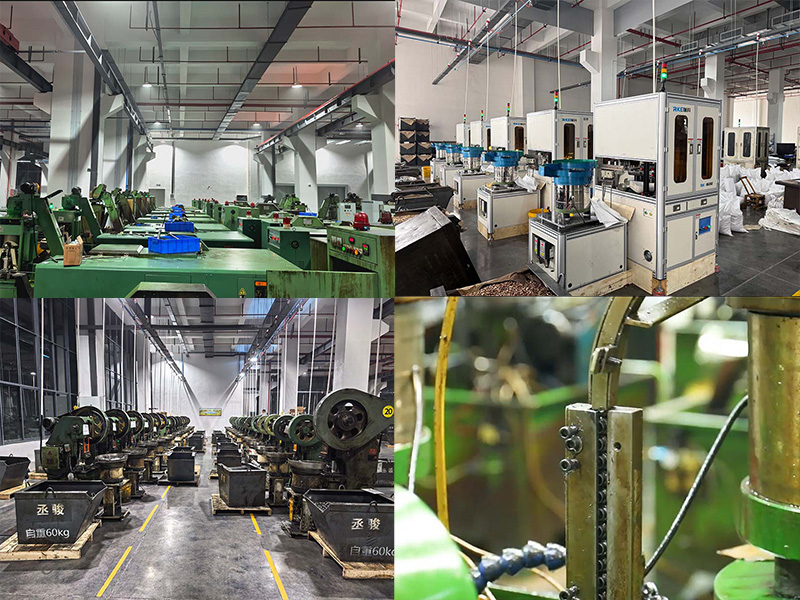
Xinchi Fastener Factory
As a trusted fastener supplier, we offer a wide range of fasteners, including nuts, bolts, screws, rivets, and washers, to meet different application requirements. By selecting the right thread specification, load capacity, and safety requirements, customers can achieve more secure and durable fastening solutions.