

Castle Nut vs Slotted Nut: Are They the Same?
When searching for locking nuts, you may find two common terms: Castle Nut and Slotted Nut. Many customers wonder whether they are two different types of nuts or simply different names for the same product.
In most cases, Castle Nut and Slotted Nut refer to similar locking nuts with slots on the top surface. As an experienced fastener manufacturer, Xinchi Fastener Factory is glad to share that the main differences come from naming habits, regional standards, and industry preferences. Both types are designed to work with a cotter pin to prevent the nut from loosening during operation.
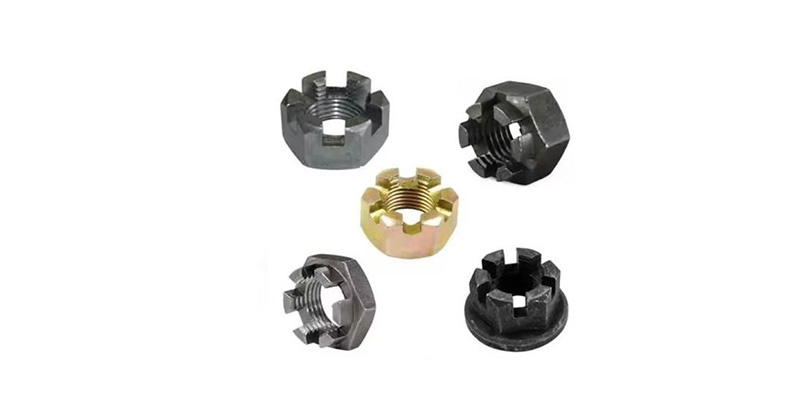
Castle Nut
Castle Nut and Slotted Nut: What Is the Difference?
The difference between Castle Nut and Slotted Nut is mainly in the way they are described.
A Castle Nut usually refers to a nut with a raised top section and vertical slots, creating an appearance similar to a castle wall. Because of this shape, it is called a “castle” nut.
A Slotted Nut is a broader term that describes any nut with slots cut into the top surface. In other words, a Castle Nut can be considered a type of Slotted Nut.
In the fastener industry, these two names are often used interchangeably, especially when referring to nuts used together with cotter pins for safety locking.
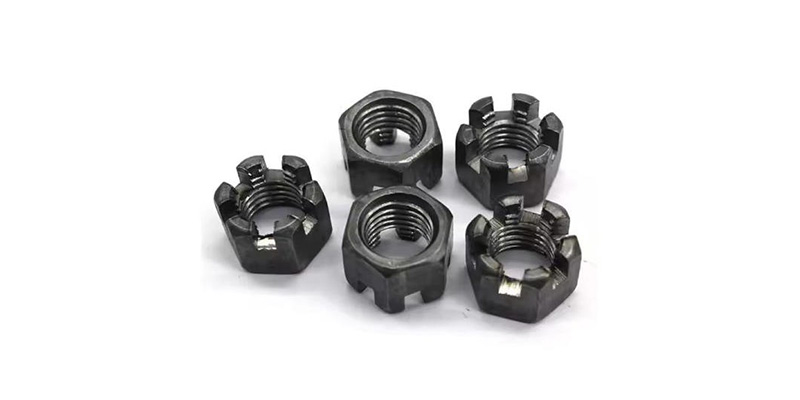
Castle Nut
Castle Nut and Slotted Nut Standards: ASME vs DIN
The different names of Castle Nut and Slotted Nut are also related to regional standards.
In the United States, Castle Nut is the more common term. These nuts are usually manufactured according to ASME or ANSI standards and are often used with inch-based fastening systems.
In European and international markets, Slotted Nut is more commonly used. For metric applications, DIN 935 Castle Nut is one of the widely used standards, which specifies the dimensions and requirements of this type of locking nut.
Although ASME Castle Nuts and DIN Slotted Nuts follow different standards, their basic function is the same — securing threaded connections with a cotter pin.
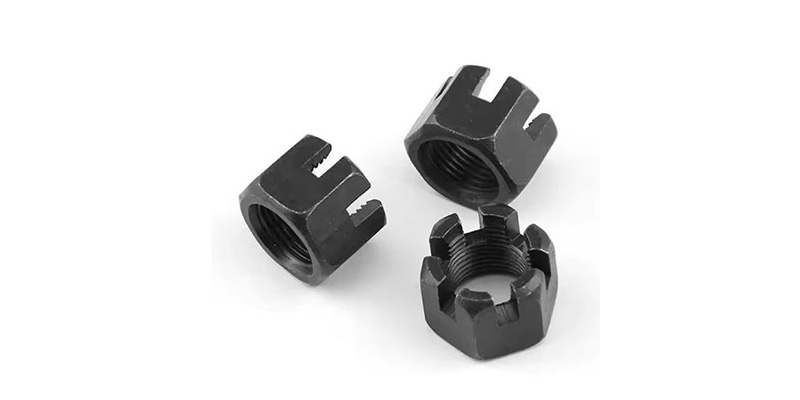
Castle Nut
Castle Nut and Slotted Nut Applications
Both Castle Nuts and Slotted Nuts are widely used in applications where additional locking is required.
They are commonly found in:
- Automotive components, such as wheel hubs and steering systems
- Agricultural machinery
- Construction equipment
- Shafts and rotating parts
- Industrial mechanical assemblies
A Castle Nut with Cotter Pin is especially suitable for applications that require regular inspection and maintenance. The locking method helps keep the connection secure while allowing easy removal when needed.
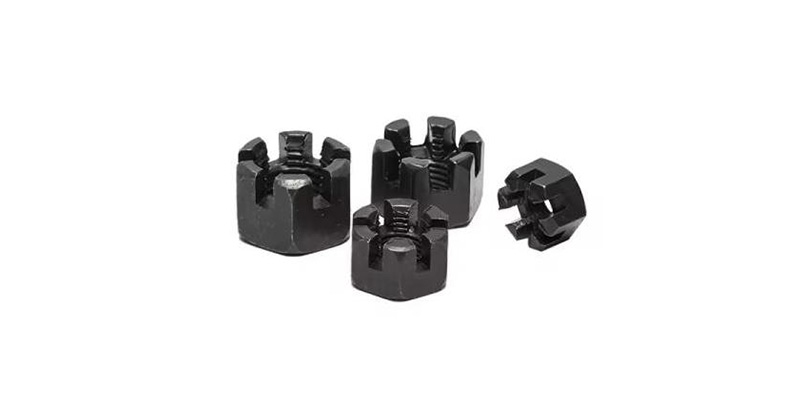
Castle Nut
Choosing the Right Castle Nut or Slotted Nut
When selecting a Castle Nut or Slotted Nut, the most important factors are the required standard, thread size, material, and working environment.
For metric applications, customers usually choose DIN 935 Castle Nuts. For inch-based applications, ASME standard Castle Nuts are more common.
Material and surface treatment should also be considered. Carbon steel, stainless steel, zinc-plated finishes, and other options can be selected according to corrosion resistance requirements.
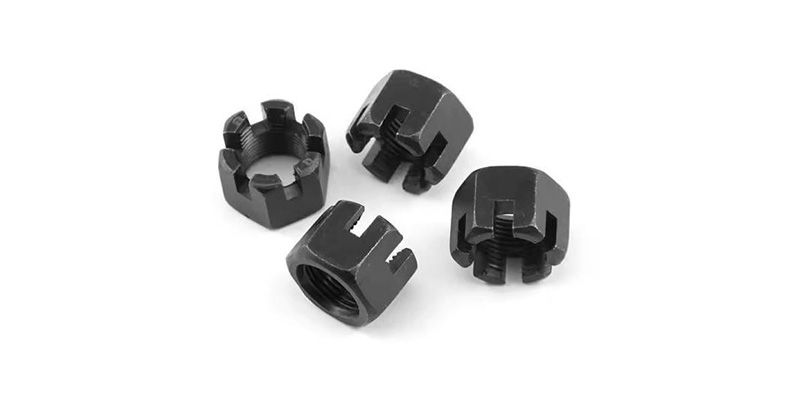
Castle Nut
Xinchi Fastener Factory: Professional Castle Nut Manufacturer
Xinchi Fastener Factory was established in 2007 and specializes in the production of Castle Nuts, Slotted Nuts, and other industrial fasteners.
With 102 cold heading machines, Xinchi Fastener Factory has strong production capacity and can achieve a daily output of more than 10 million pieces. The completed new factory covers 30,000 square meters, including two six-story buildings for production and quality management.
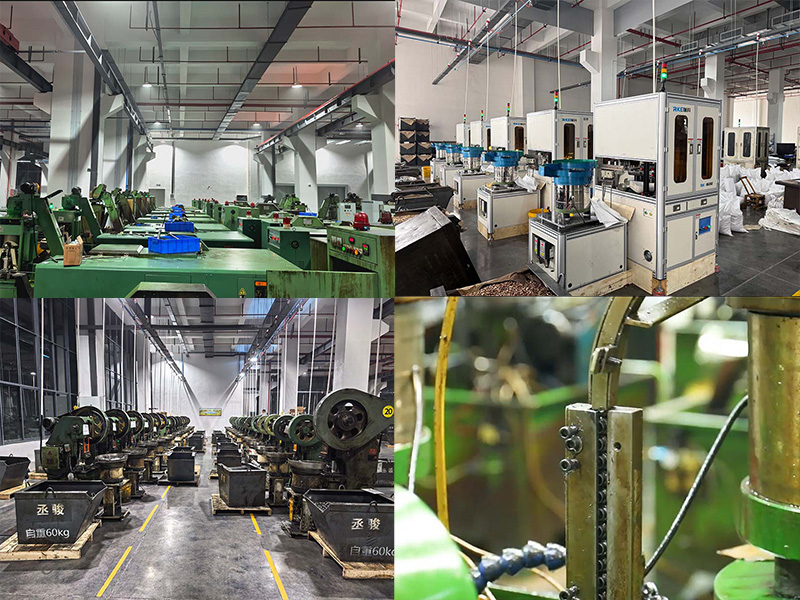
Xinchi Fastener Factory
As a trusted fastener supplier, we can offer a wide range of high-quality fasteners, including nuts, screws, bolts, rivets, and washers. With years of experience in cold heading manufacturing, Xinchi Fastener Factory provides stable quality, competitive pricing, and reliable supply solutions for customers worldwide.