

Common Flange Bolt Problems and How to Fix Them
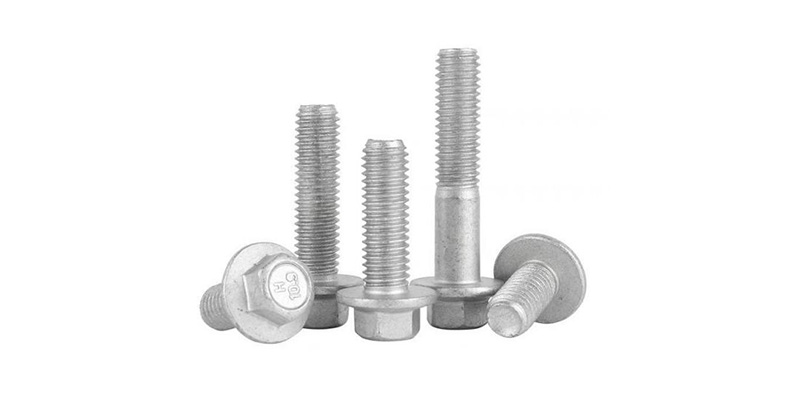
Flange bolts are commonly used in machinery, automotive parts, equipment, and steel structures. The built-in flange under the bolt head helps spread the load over a larger area, making installation simpler in many applications.
Like other fasteners, flange bolts can have problems when the wrong size, thread, material, or tightening method is used. As a professional fastener factory, Xinchi has put together some common flange bolt problems and simple ways to deal with them.
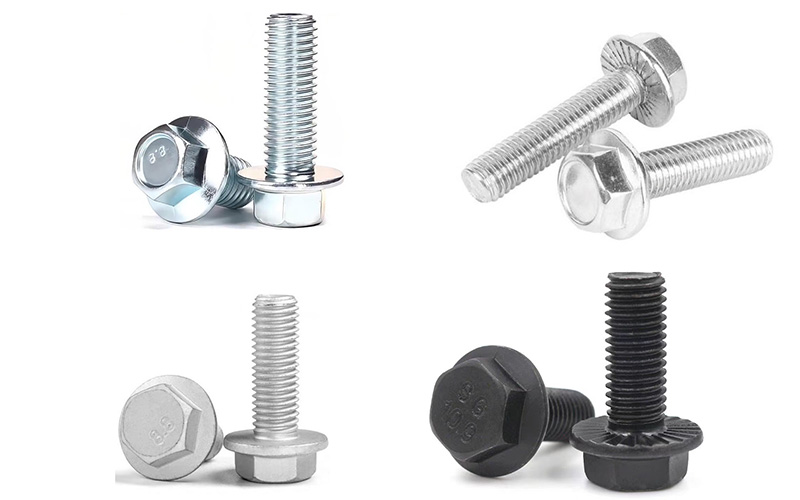
Flange Bolts
Flange Bolt Loosening
A flange bolt may loosen after installation, especially when the joint is exposed to vibration or repeated movement.
First, check whether the bolt has been tightened correctly. Too little tightening can leave the joint loose, while excessive tightening can damage the bolt or threads. For applications with heavy vibration, an appropriate locking solution may also be needed.
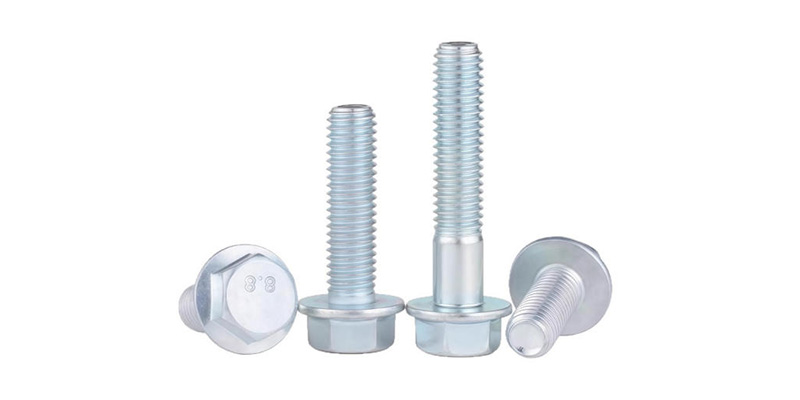
Flange Bolts
Flange Bolt Thread Damage
Damaged threads can make a flange bolt difficult to install and may affect the strength of the connection.
Cross-threading is a common cause. Using the wrong thread size or pitch can also damage the threads. Make sure the flange bolt matches the nut or threaded hole before installation, and avoid forcing the bolt into place.
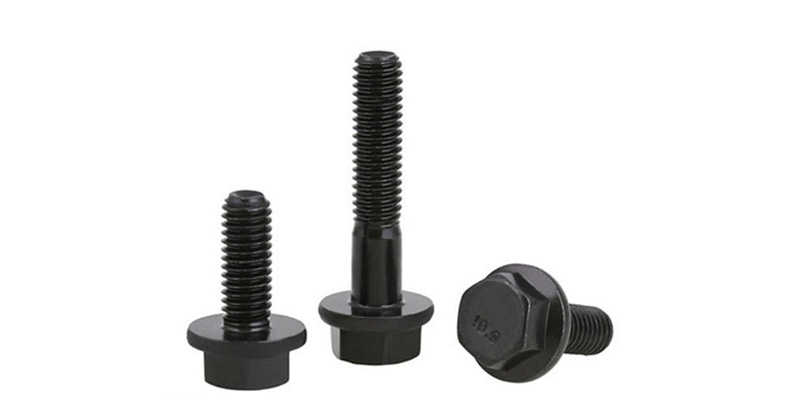
Flange Bolts
Flange Bolt Rust and Corrosion
Flange bolts used outdoors or in damp environments can rust if the material and surface treatment are not suitable.
The right choice depends on the working environment. Stainless steel flange bolts can be used where better corrosion resistance is needed. Zinc-plated or other coated carbon steel flange bolts may be suitable for other applications.
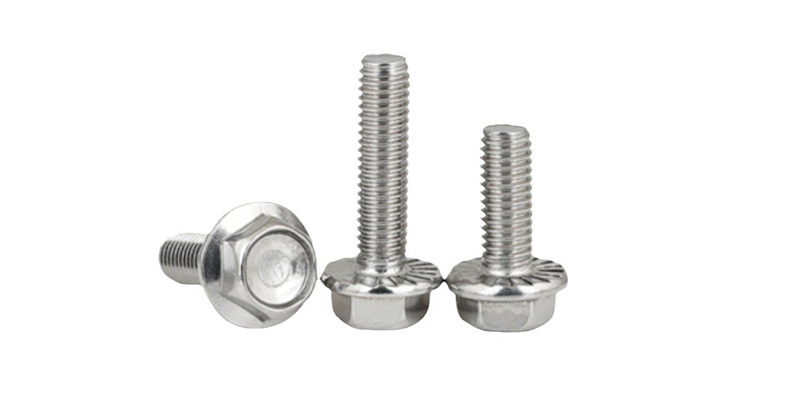
Flange Bolts
Flange Bolt Flange Damage
The flange under the bolt head helps distribute pressure, but it can still become deformed or damaged.
Over-tightening is one possible cause. An uneven or damaged mating surface can also affect the flange. Check the contact surface and use the recommended tightening torque during installation.
Flange Bolts
How to Choose the Right Flange Bolt
Choosing the correct flange bolt can prevent many of these problems. Check the thread size, thread pitch, bolt length, material, strength grade, and surface treatment before placing an order.
The requirements can also vary depending on the application. A flange bolt used in machinery may have different requirements from one used outdoors, so the working conditions should be considered when selecting the fastener.
Flange Bolt Manufacturer — Xinchi Fastener Factory
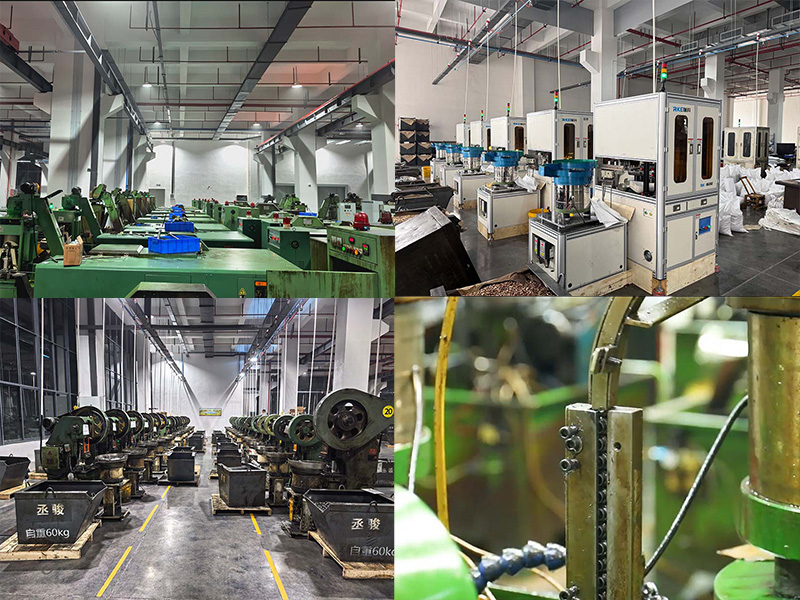
Xinchi Fastener Factory has been manufacturing fasteners since 2007. Our factory has 102 cold heading machines and a daily production capacity of more than 10 million pieces.
Xinchi Fastener Factory
Our new factory covers 30,000 square meters and includes two six-story buildings. With years of manufacturing experience and strict quality control, Xinchi Fastener Factory supplies reliable flange bolts, DIN 1624 T nuts, Hopper Feed T Nuts, threaded insert nuts, rivet nuts, DIN 571 wood screws, and other fastener products for automotive, machinery, and industrial applications.