

Common Mistakes When Using Flange Nuts in Assembly
Flange nuts are widely used in industrial and mechanical assemblies because of their ability to provide secure fastening and distribute load evenly. However, improper installation can compromise the strength of the joint and even lead to equipment failure.
As a professional manufacturer of fasteners, Xinchi Fastener Factory is very pleased to share some common mistakes when using flange nuts, hoping it can help improve assembly quality and ensure long-term reliability.
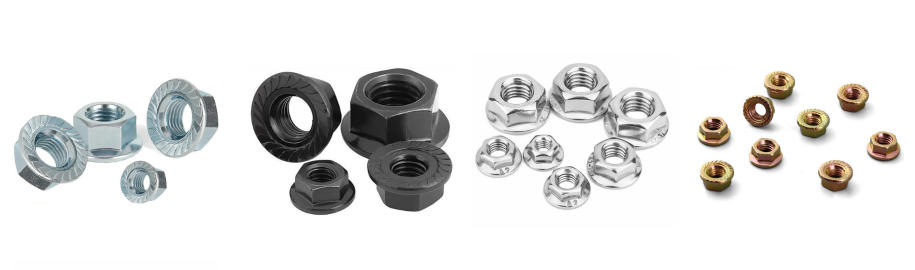
Flange Nuts
Flange Nut Installation Mistakes: Using the Wrong Torque
One of the most frequent flange nut installation mistakes is applying incorrect torque. Over-tightening can strip threads or deform the flange, while under-tightening may lead to loosening under vibration. It is essential to follow manufacturer torque specifications and use calibrated tools to achieve consistent results. Proper torque ensures that the flange nut can distribute load evenly and maintain joint stability.
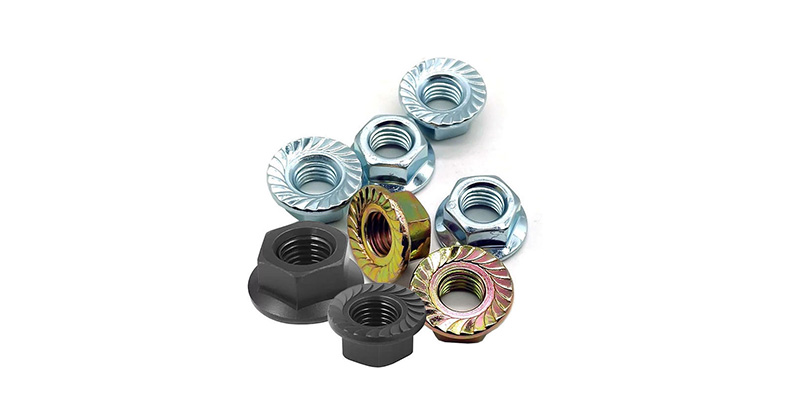
Flange Nuts
Flange Nut Installation Mistakes: Ignoring Surface Preparation
Surface preparation is often overlooked during flange nut installation. Dirt, rust, or uneven surfaces can reduce the friction between the flange and the mating surface, causing slippage or uneven load distribution. Before assembly, make sure the surfaces are clean, flat, and free of debris. Using flange nuts on improperly prepared surfaces is a subtle but critical mistake that affects the durability of the connection.
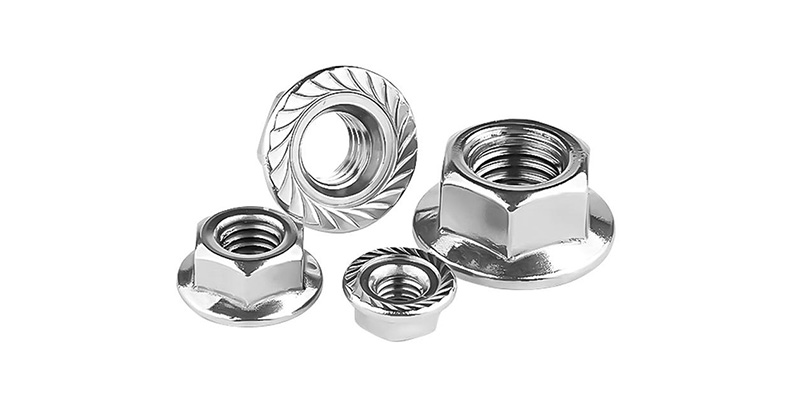
Flange Nuts
Flange Nut Installation Mistakes: Mismatched Materials
Choosing incompatible materials for flange nuts and bolts is another common issue. For example, combining stainless steel nuts with carbon steel bolts can lead to galvanic corrosion in humid or outdoor environments. Always verify material compatibility based on the working conditions to prevent premature failure. Selecting the right material ensures the flange nut performs reliably over time.
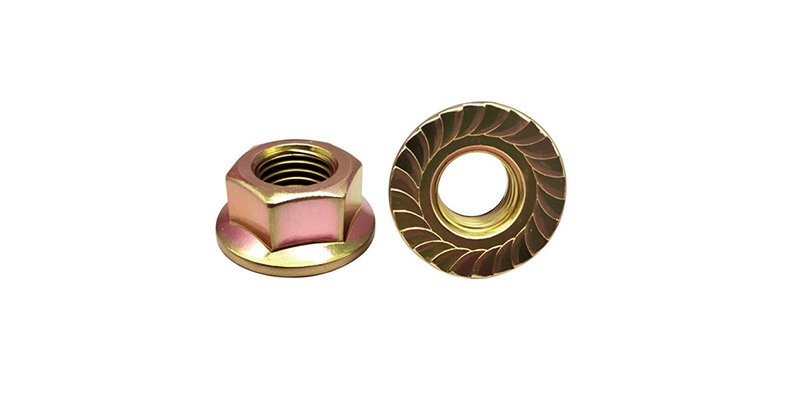
Flange Nuts
Flange Nut Installation Mistakes: Neglecting Thread Engagement
Thread engagement is the portion of the bolt that is properly threaded into the flange nut. Insufficient engagement reduces the strength of the connection and increases the risk of stripping. A good practice is to ensure the nut is fully threaded onto the bolt, with enough engagement according to the standard guidelines. Overlooking this detail is a subtle mistake that can have major consequences.
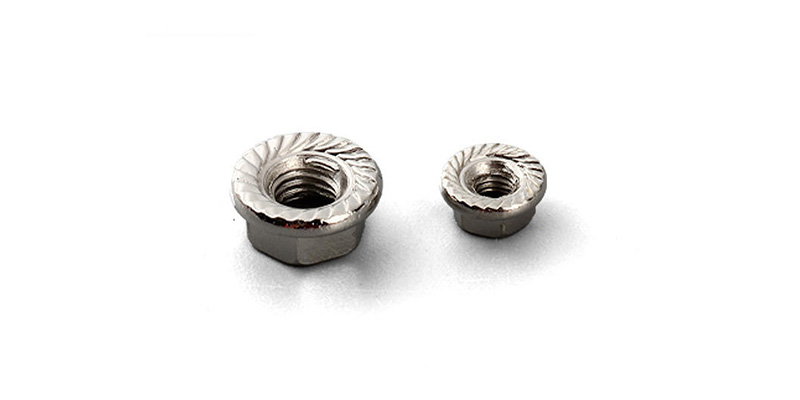
Flange Nuts
Flange Nut Installation Mistakes: Improper Use of Washers
While flange nuts are designed to distribute load without additional washers, in some applications, washers may still be required. Using the wrong type or thickness of washer can negate the benefits of the flange, causing uneven stress and potential loosening. Understanding when and how to use washers with flange nuts can prevent assembly problems and ensure long-lasting performance.
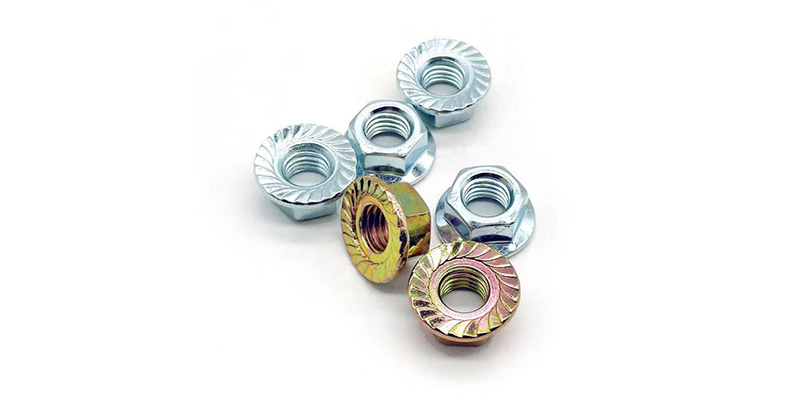
Flange Nuts
Trustworthy Supplier Advantage: Xinchi Fastener Factory
Choosing high-quality flange nuts is as important as proper installation. Xinchi Fastener Factory, founded in 2007, specializes in the production of industrial fasteners, with 102 cold heading machines and a daily output exceeding 10 million pieces. The new factory spans 30,000 square meters with two six-story buildings, ensuring consistent quality and large-scale supply.
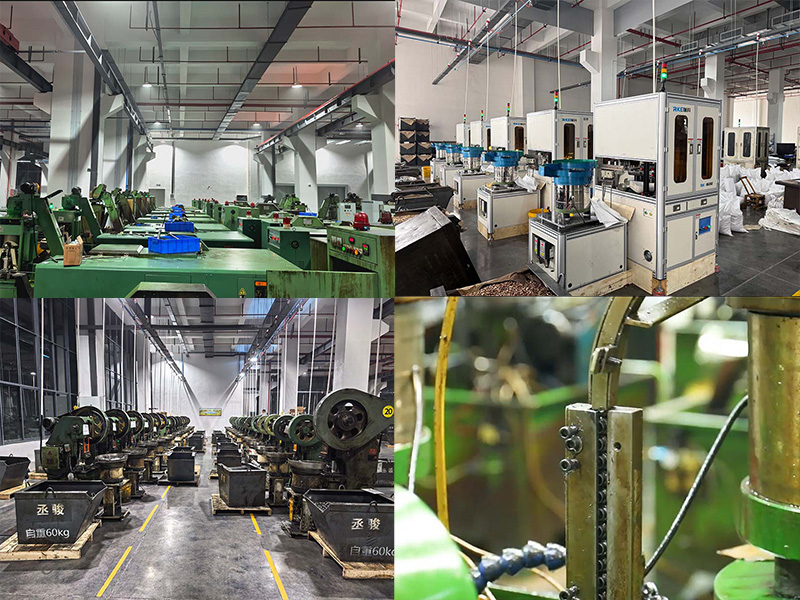
Xinchi Fastener Factory
As a trusted fastener supplier, we can offer a wide range of high-quality fasteners, including nuts, screws, bolts, rivets, and washers. Working with a reliable manufacturer like Xinchi helps prevent flange nut installation mistakes by providing precision-engineered products that meet strict standards.