

How Are Flange Bolts Made?
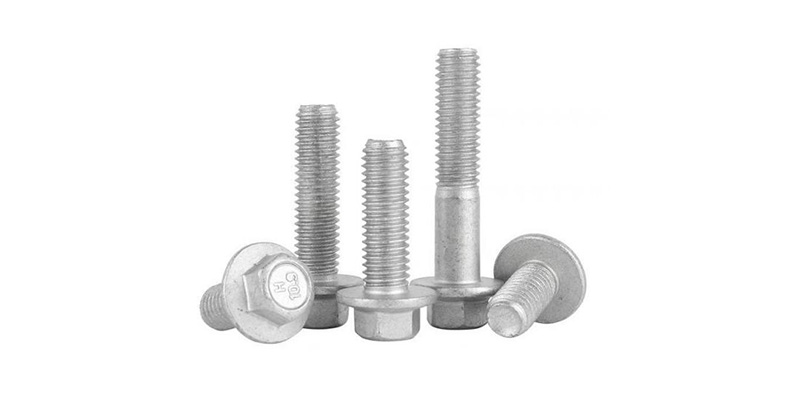
Flange bolts are commonly used in automotive parts, machinery, and industrial equipment. Their built-in flange helps distribute the clamping force over a larger area, reducing the need for a separate washer in many applications.
So, how are flange bolts made? As a professional fastener factory, Xinchi would like to share the main steps involved in flange bolt manufacturing, from steel wire preparation to thread rolling and final inspection.
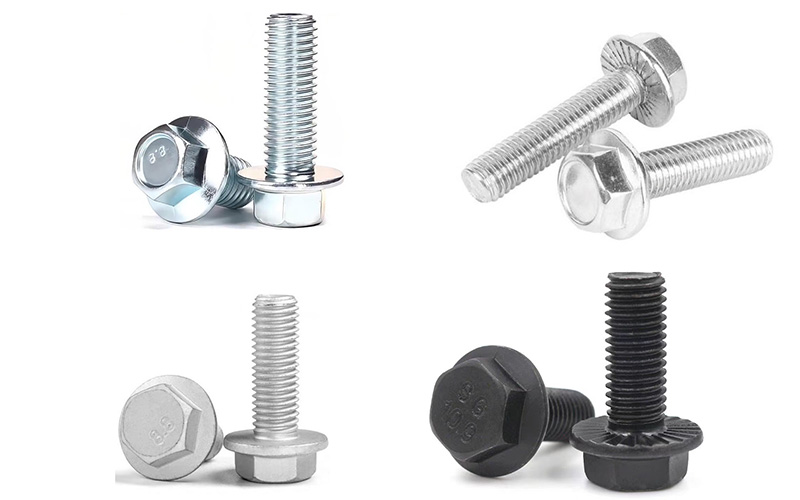
Flange Bolts
Steel Wire Preparation for Flange Bolts
The manufacturing process starts with steel wire selected according to the required material, strength, and application. Carbon steel and alloy steel are common choices, while stainless steel is used when corrosion resistance is important.
The wire is cleaned and drawn to the required diameter before being cut into blanks for forming.
Flange Bolts
Cold Heading in Flange Bolt Manufacturing
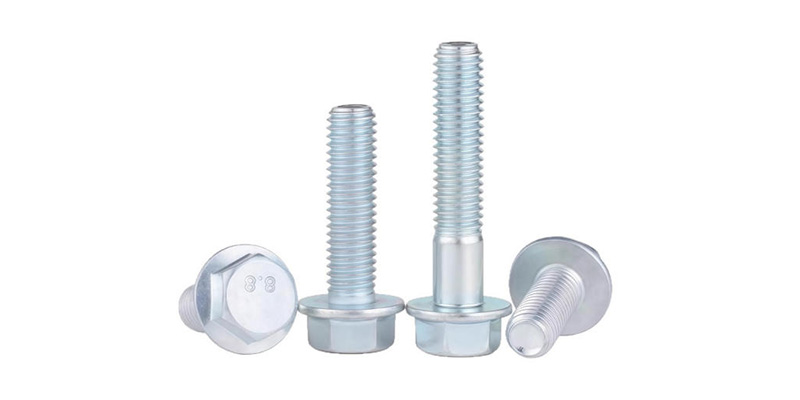
Cold heading forms the bolt head and the integrated flange. A cut wire blank is placed into a forming machine, where dies shape the metal under high pressure.
For hex flange bolts, this step creates the hexagonal head and the flange beneath it. Proper tooling helps maintain consistent dimensions and flange shape.
Flange Bolts
Thread Rolling for Flange Bolts
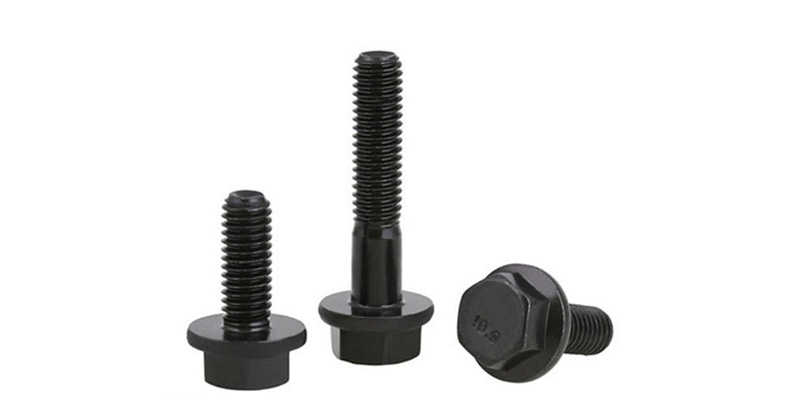
After heading, the bolt blanks move to thread rolling. Hardened dies press against the blank to form the threads without cutting away material.
Accurate thread dimensions are important for proper fit with mating nuts or threaded holes. Thread checks help ensure that the finished flange bolts meet the specified requirements.
Flange Bolts
Heat Treatment and Surface Finishing of Flange Bolts
Depending on the material and required strength grade, flange bolts may undergo heat treatment to achieve the necessary mechanical properties. The process varies according to the steel grade and applicable specifications.
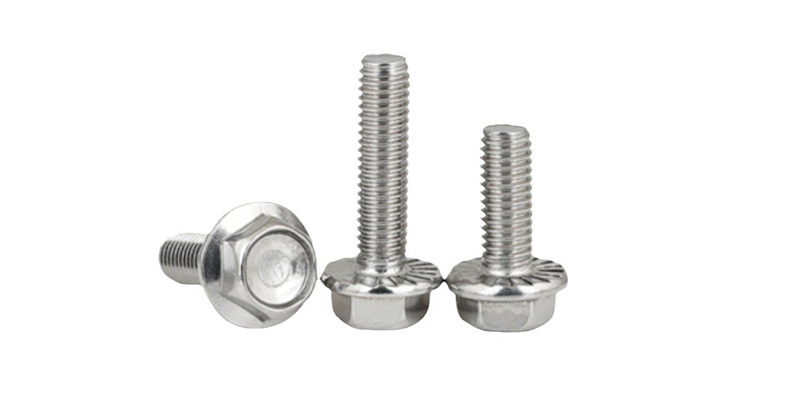
Surface finishing is then carried out when required. Common options include zinc plating and other protective coatings for carbon steel bolts. The appropriate finish depends on the intended application and corrosion resistance requirements.
Flange Bolts
Quality Inspection of Finished Flange Bolts
Quality inspection helps ensure that flange bolts meet the required specifications before delivery. Typical checks include dimensions, thread fit, surface appearance, and mechanical properties where applicable.
For custom orders, drawings, material requirements, and inspection criteria should be confirmed before production. Checking quality at different stages also helps maintain consistency between batches.
Other Fasteners from Xinchi Fastener Factory
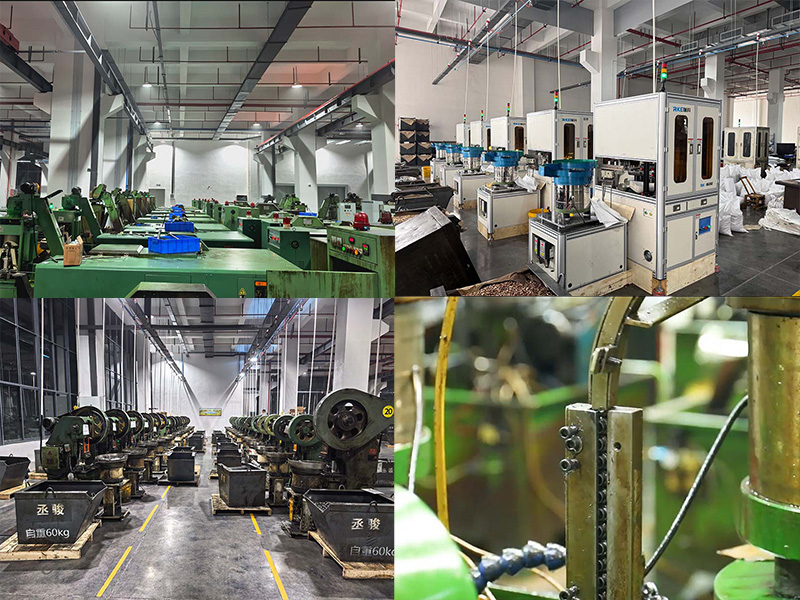
Established in 2007, Xinchi Fastener Factory operates 102 cold heading machines and has a daily production capacity of over 10 million pieces. Our completed new factory covers 30,000 square meters and consists of two six-story buildings.
In addition to our fastener manufacturing capabilities, we supply a range of fasteners for furniture and industrial applications, including DIN 1624 T nuts, Hopper Feed T nuts, rivet nuts, threaded insert nuts, square weld nuts, hex weld nuts, DIN 571 wood screws, bolts, and washers.
Xinchi Fastener Factory
For product specifications or custom requirements, please contact Xinchi Fastener Factory to discuss your needs.
Recent Comments