

How Are Hex Socket Head Cap Screws Manufactured?
If you’ve ever sourced fasteners in bulk, you’ll know that not all screws are the same—even if they look identical on paper. The hex socket head cap screw manufacturing process is what really determines strength, consistency, and long-term performance.
As a professional fastener manufacturer, Xinchi Fastener Factory is pleased to introduce how these screws are actually made in a typical factory setting.
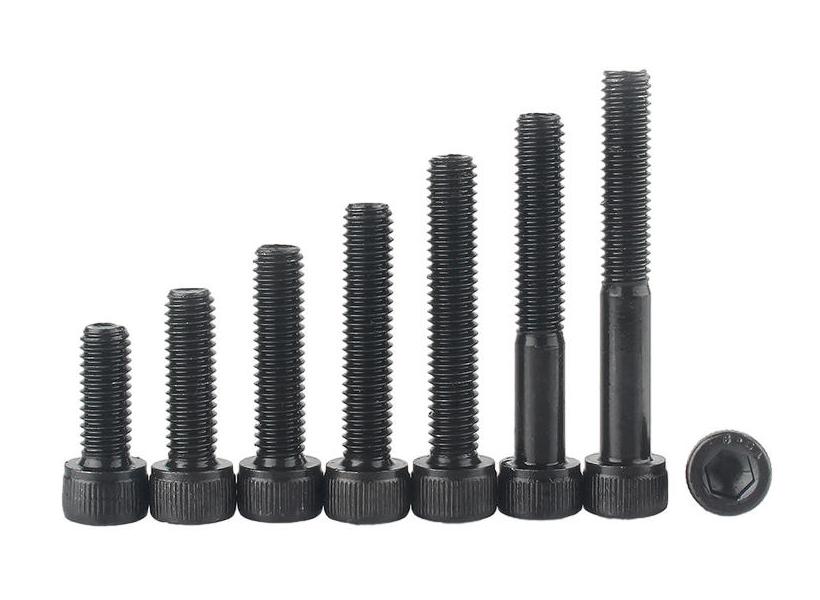
Socket Head Cap Screw
Hex Socket Head Cap Screw Manufacturing Process: Cold Heading
Everything starts with a cold heading. This is where a straight steel wire is turned into a screw blank.
In real production, wire coils are fed into a cold heading machine, cut to size, and then formed under high pressure. The head of the screw is shaped in one or two blows, and the hex socket is punched at the same time using a die.
This step looks simple, but it’s where a lot can go wrong if the tooling isn’t stable. Poor cold heading can lead to shallow sockets, off-center heads, or even cracks. On the other hand, a well-controlled cold heading process gives you clean, consistent hex socket head cap screws with good structural integrity.
For high-volume orders, this stage basically sets the foundation for everything that follows.
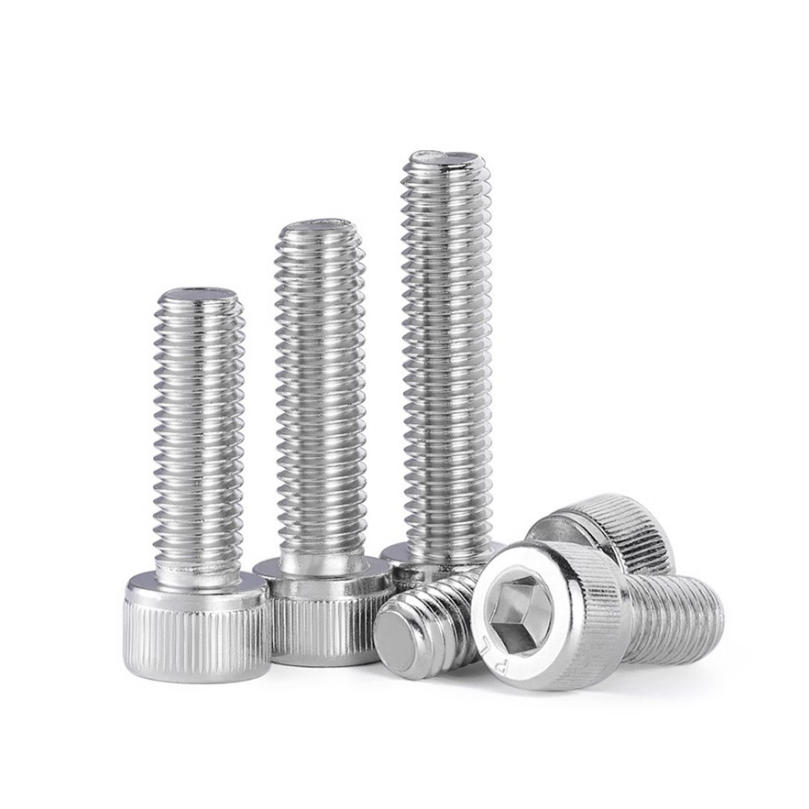
Hex Socket Head Cap Bolts
Hex Socket Head Cap Screw Manufacturing Process: Thread Rolling
Once the screw blank is ready, it moves on to thread rolling. This is where the threads are formed—not cut.
The blanks are pressed between two hardened dies that roll the thread profile onto the surface. Because the material is being displaced rather than removed, the threads end up denser and stronger.
From a buyer’s perspective, this matters more than it sounds. Poorly formed threads can cause assembly issues on-site—either too tight, too loose, or inconsistent fit. Good thread rolling ensures that each hex socket head cap screw matches standard tolerances and works smoothly with nuts or tapped holes.
It also improves fatigue resistance, which is important if the screws are used in equipment with vibration.
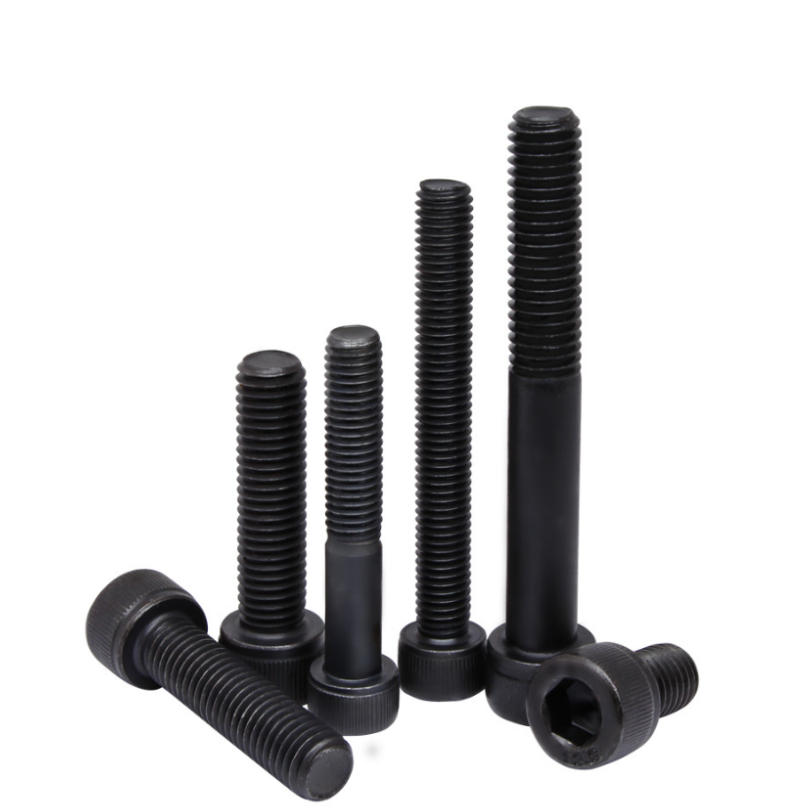
Hex Socket Head Cap Screws
Hex Socket Head Cap Screw Manufacturing Process: Heat Treatment
After forming, the screws still don’t have the required strength. That’s where heat treatment comes in.
Most hex socket head cap screws—especially higher grades like 10.9 or 12.9—go through quenching and tempering. The process hardens the steel and then balances it so it’s not too brittle.
In practice, this step is all about control. If the temperature or timing is off, you might end up with screws that either deform under load or snap unexpectedly. Neither is acceptable in real applications.
That’s why experienced factories pay close attention to furnace conditions and batch consistency. For buyers, stable heat treatment means fewer surprises after installation.
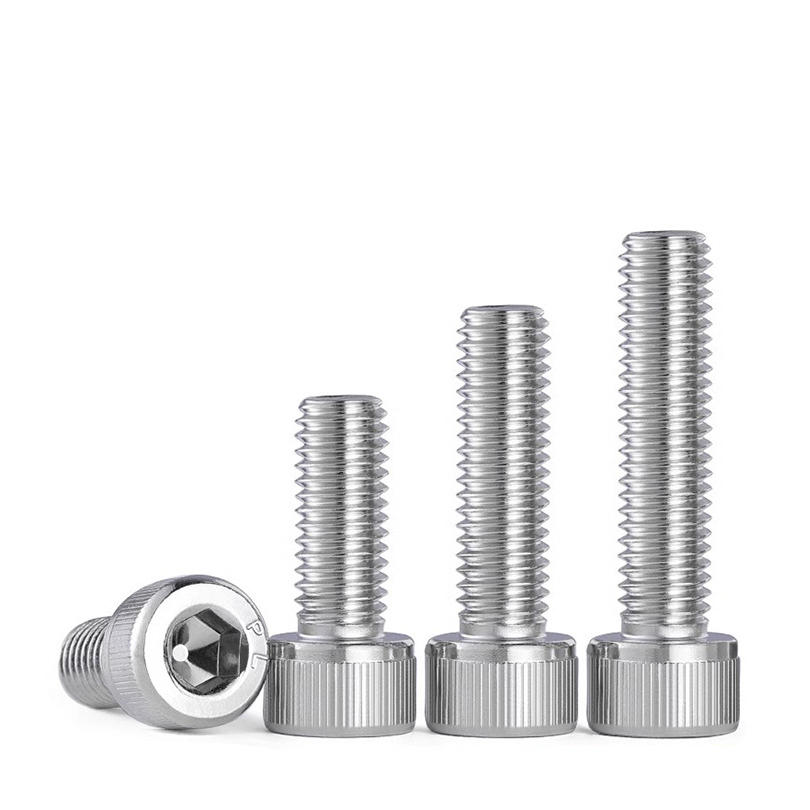
Hex Socket Head Cap Bolts
A Few Steps Buyers Often Overlook
Besides the three main steps, the full hex socket head cap screw manufacturing process usually includes surface treatment and sorting.
Surface finishes like black oxide or zinc plating are not just for appearance—they help with corrosion resistance and usability. And proper sorting (including optical inspection, if available) helps reduce defective pieces in large shipments.
These details don’t always show up in quotes, but they do show up later in performance.
Why the Manufacturing Process Actually Matters
In sourcing, it’s easy to focus on price or delivery time. But for something like hex socket head cap screws, the process behind the product matters just as much.
A factory that handles cold heading, thread rolling, and heat treatment well will usually deliver:
- More consistent dimensions
- Fewer installation issues
- Better mechanical performance
- Lower long-term risk
That’s the difference between “it works” and “it works every time.”
Xinchi Fasteners: Built for Stable, High-Volume Production
Xinchi Fasteners has been focused on fastener manufacturing since 2007, with a setup designed for large-scale and consistent output.
The factory runs 102 cold heading machines, with a daily production capacity of over 10 million pieces. The new facility covers 30,000 square meters, including two six-story buildings, supporting a more streamlined production flow. As a trusted fastener manufacturer, we offer a wide range of high-quality fasteners, including nuts, screws, bolts, rivets, and washers.
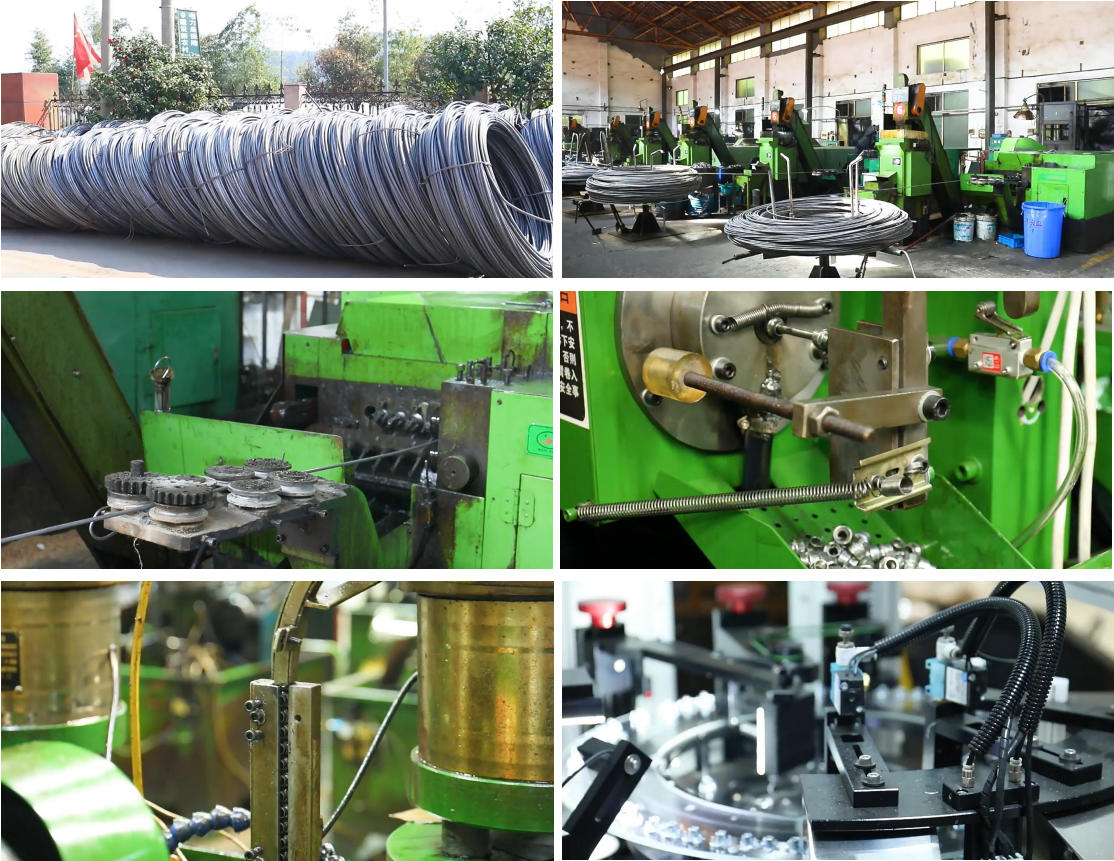
Xinchi Fastener Factory
From cold heading to heat treatment, the whole hex socket head cap screw manufacturing process is handled with an emphasis on stability rather than shortcuts. For B2B buyers, that usually translates into fewer quality issues and more predictable delivery.
If you’re sourcing hex socket head cap screws for ongoing projects, it’s worth paying attention not just to the product, but to how it’s actually made.