

How to Install a Wing Nut: 5 Common Mistakes to Avoid
Wing nuts are easy to install because they can be tightened by hand without a wrench. They are often used in furniture, clamps, equipment, and other applications where parts need to be adjusted or removed regularly.
Even a simple wing nut installation can go wrong if the thread size or alignment is incorrect.
1. Choosing the Wrong Thread Size for a Wing Nut
A wing nut must match the thread size of the bolt or threaded rod. Metric and inch threads may look similar, but they are not interchangeable.
Check the thread diameter and pitch before assembly. Using a mismatched wing nut can damage the threads and make it difficult to tighten properly.

Wing Nut
2. Installing a Wing Nut at the Wrong Angle
A wing nut should sit straight on the bolt when you start tightening it. If it goes on at an angle, the threads may become damaged.
Start turning the wing nut gently by hand. If it does not move smoothly, remove it and check the alignment rather than forcing it.

Wing Nut
3. Tightening a Wing Nut Too Much
Wing nuts are made for hand tightening, so there is usually no need to use a wrench or pliers. Applying too much force can damage the wings or threads, especially on smaller sizes.
Tighten the wing nut until the connected parts are secure. The required tightness also depends on the application.
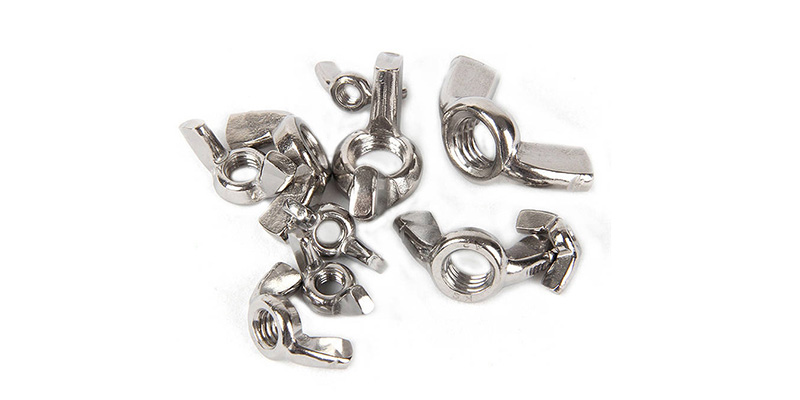
Wing Nut
4. Using the Wrong Type of Wing Nut
Wing nuts come in different designs, materials, and sizes. The right choice depends on where and how they will be used.
Stainless steel wing nuts are a common choice for applications requiring better corrosion resistance. Carbon steel wing nuts are also widely used for general fastening. The size and shape of the wings should suit the available installation space.
5. Reusing Damaged Wing Nuts
Wing nuts used repeatedly may show signs of wear. Damaged threads can make tightening difficult, while bent or deformed wings can affect hand operation.
Check the wing nut and bolt before reuse. Replace any fasteners with damaged threads, rust, or visible deformation.
Wing Nut Production at Xinchi Fastener Factory
Xinchi Fastener Factory was established in 2007. We operate 102 cold heading machines, with a daily production capacity of more than 10 million pieces. Our new factory covers 30,000 square meters and consists of two six-story buildings.
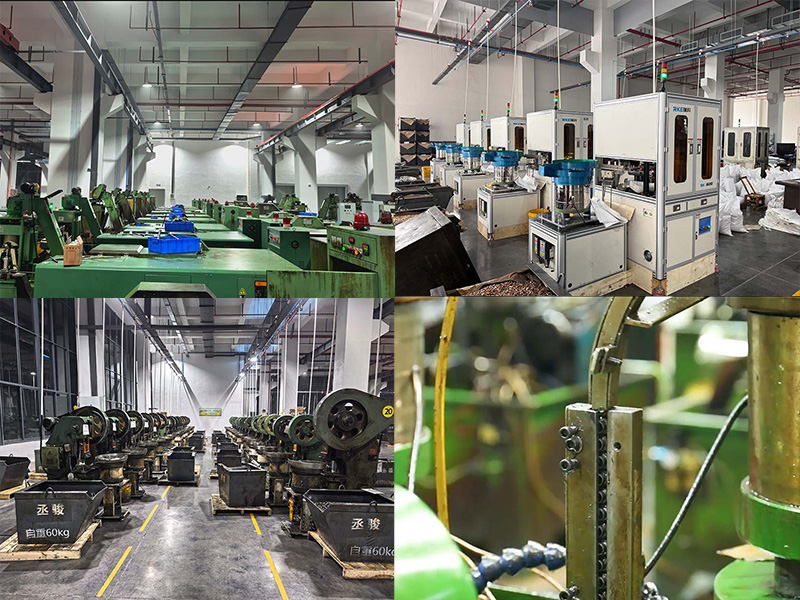
Xinchi Fastener Factory
In addition to wing nuts, Xinchi supplies DIN 1624 T nuts, Hopper Feed T nuts, threaded insert nuts, rivet nuts, DIN 571 wood screws, bolts, washers, and other fasteners for furniture and industrial applications. Contact us for product details or custom requirements.
Recent Comments