

How to Install DIN 928 Square Weld Nuts Properly
DIN 928 square weld nuts are commonly used in sheet metal parts where a fixed internal thread is needed. The installation process is not complicated, but the quality depends a lot on small details like surface condition, welding method, and positioning. If these are not controlled well, even a good weld nut can fail in real use.
As a professional weld nut manufacturer, Xinchi Fastener Factory is happy to share how to install DIN 928 square weld nuts properly.
square weld nuts
Weld Nut Installation Basics for DIN 928 Square Weld Nuts
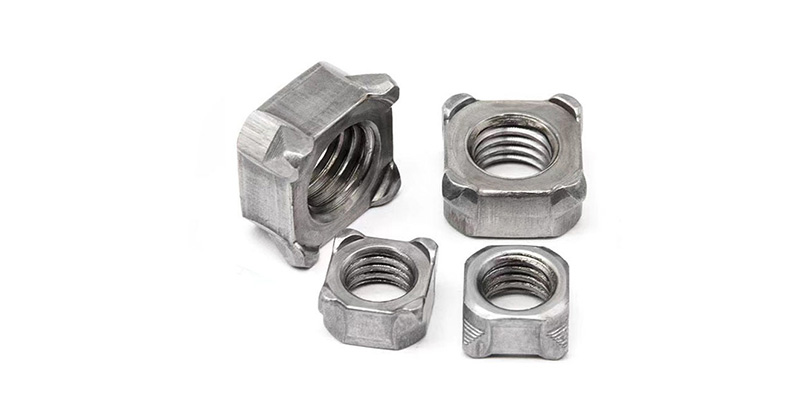
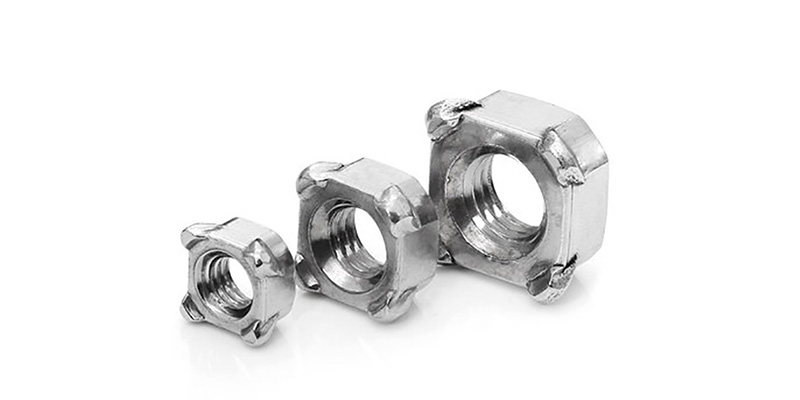
Before starting weld nut installation, it helps to understand how DIN 928 square weld nuts are designed. The small projections on the bottom are made to concentrate heat during welding, so the nut can fuse tightly with the sheet metal.
In most cases, the weld nut is placed on the sheet first and then welded in one step. It becomes a permanent thread point, so correct positioning at this stage is important.
square weld nuts
How to Weld a Nut with Proper Surface Preparation
Surface preparation is often ignored, but it directly affects weld strength. For square weld nut installation, both the nut and the sheet metal should be clean and free from oil, rust, or coating residue.
A clean surface helps current flow evenly during the welding process and weld nut operation, which makes the weld more stable. If the surface is dirty, the weld may look fine but can fail under load later.
square weld nuts
Spot Welding Nuts in DIN 928 Square Weld Nut Applications
Spot welding nuts is the most common method for DIN 928 square weld nuts. The nut is positioned on the sheet metal, and pressure and current are applied at the same time.
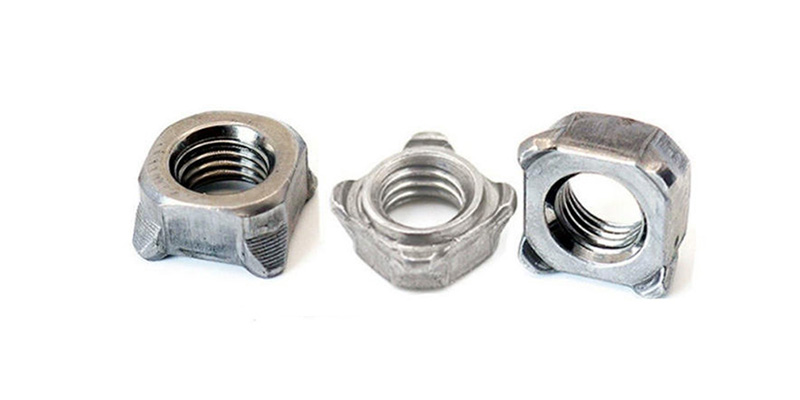
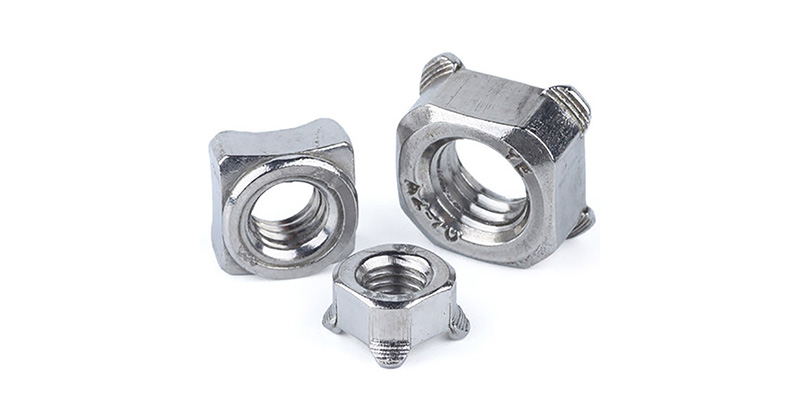
The heat is concentrated at the projection points, which melt and bond the nut to the sheet. If the alignment is off, the weld strength will not be even, so positioning is something operators always need to pay attention to.
square weld nuts
MIG Weld Nut Installation vs Resistance Welding Nuts
In most factories, resistance welding nuts is the standard method for square weld nuts. It gives better control and more consistent results, especially in mass production.
MIG weld nut installation can be used in special cases, but it is less stable for DIN 928 parts because heat input is harder to control. For most sheet metal work, resistance welding is still the safer choice.
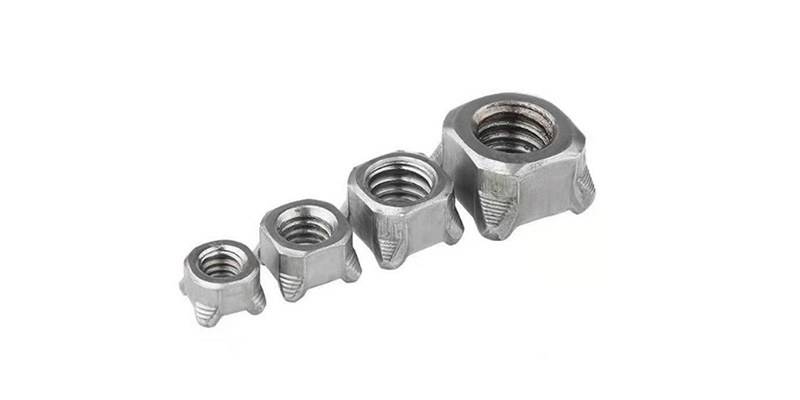
square weld nuts
Square Weld Nut Installation Tips for Stable Quality
A few small details can improve weld quality a lot. The pressure, welding time, and electrode condition should always stay consistent during production.
It is also important to match sheet thickness with the weld nut size. If the sheet is too thin, the weld may burn through; if too thick, the fusion may not be strong enough.
Instead of treating installation as a single welding step, most manufacturers now include it as part of the overall assembly quality control process. When positioning, surface condition, and welding parameters are properly controlled, DIN 928 square weld nuts can deliver stable and long-lasting performance in sheet metal applications.
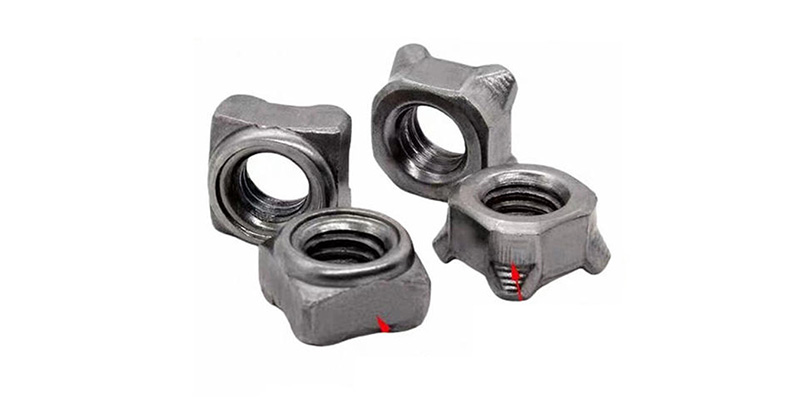
square weld nuts
About Xinchi Fastener Factory
Xinchi Fastener Factory was established in 2007 and focuses on industrial fastener production, including weld nuts and related components. The factory is equipped with 102 cold heading machines, with a daily output of over 10 million pieces.
The new production base covers 30,000 square meters and includes two six-story production buildings. With this scale, the factory is able to support both stable mass production and flexible order requirements.
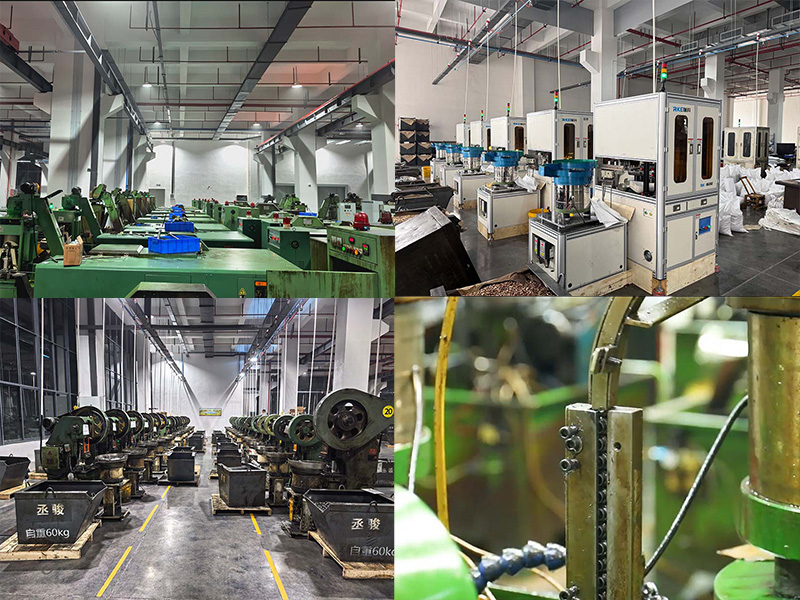
Xinchi Fastener Factory
As a trusted fastener supplier, we can offer a wide range of high-quality fasteners, including nuts, screws, bolts, rivets, and washers. Xinchi maintains a mature production system from raw material forming to final inspection, which helps ensure consistent quality across batches and stable delivery for global customers.