

Material Options for Hex Socket Head Cap Screws: Carbon Steel vs Stainless Steel
When choosing the right hex socket head cap screw material, most buyers are not looking for theory. They care about two things: performance and cost. Carbon steel and stainless steel are the two most common options, but they are used for different reasons.
As a professional fastener manufacturer, Xinchi is pleased to introduce the difference between carbon steel hex socket head cap screw and stainless steel hex socket head cap screw, hoping it could help avoid over-specifying or under-specifying your project.
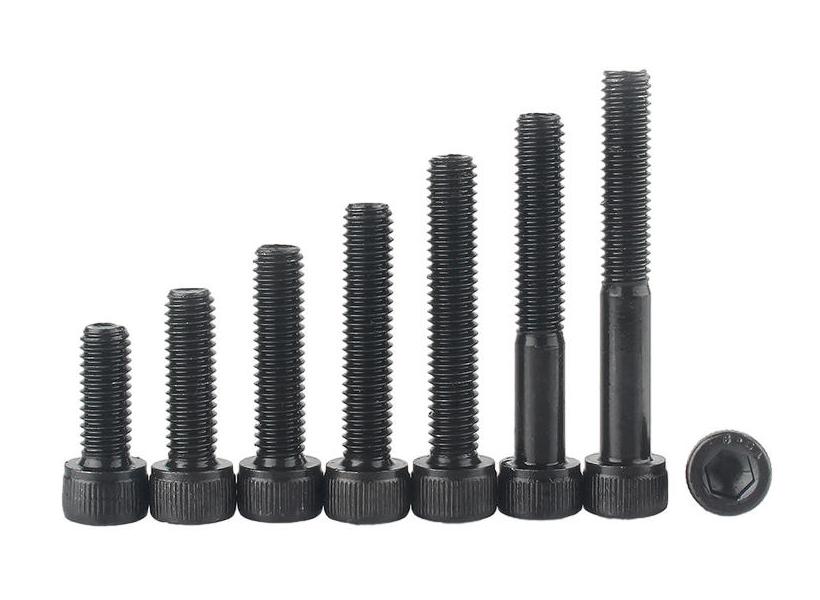
Carbon Steel Hex Socket Head Cap Screw Material
Carbon steel is the standard choice for most hex socket head cap screws used in machinery, equipment, molds, and automotive parts. It is strong, easy to heat-treat, and suitable for high tightening torque.
After quenching and tempering, carbon steel screws can reach strength grades such as 8.8, 10.9, or 12.9. In applications where a high clamping force is required, 12.9-grade hex socket head cap screws are very common. They perform well under dynamic load and repeated tightening.
The weakness of carbon steel is its corrosion resistance. Without surface treatment, it will rust. That’s why plating options like black oxide or zinc coating are widely used. Even with coating, it is still more suitable for indoor or controlled environments.
From a pricing perspective, carbon steel remains the most cost-effective hex socket head cap screw material for large-volume industrial use.
Stainless Steel Hex Socket Head Cap Screw Material
Stainless steel is chosen when corrosion resistance is more important than extreme strength. In outdoor equipment, humid environments, or food-related machinery, stainless steel hex socket head cap screws are often the safer option.
Grades such as SUS304 (A2) are commonly used for general anti-rust requirements. SUS316 (A4) performs better in marine or chemical environments. These materials do not require additional plating, which simplifies processing.
In terms of strength, stainless steel is generally lower than high-grade carbon steel. For example, A2-70 stainless steel will not match the tensile strength of a 12.9 carbon steel screw. However, for many assemblies, the strength level is fully sufficient.
The main concern is cost. Stainless steel, as a hex socket head cap screw material, is more expensive due to raw material pricing.
Comparing Hex Socket Head Cap Screw Material: Practical Considerations
When comparing carbon steel and stainless steel hex socket head cap screw material, the decision usually depends on working conditions.
If the environment is dry and strength is critical, carbon steel is the more economical solution. If the environment involves moisture or corrosion risk, stainless steel reduces long-term maintenance issues.
In simple terms:
High strength and lower cost → carbon steel
Corrosion resistance and long service life → stainless steel
Selecting the correct hex socket head cap screw material avoids unnecessary cost while ensuring safety.
Xinchi Fasteners Factory
Xinchi Fasteners Factory was established in 2007 and focuses on the production of industrial fasteners, including hex socket head cap screws in both carbon steel and stainless steel materials.
We operate 102 cold heading machines with a daily output exceeding 10 million pieces. Our newly completed factory covers 30,000 square meters, including two six-floor production buildings. This scale allows a stable supply for bulk orders and OEM projects.
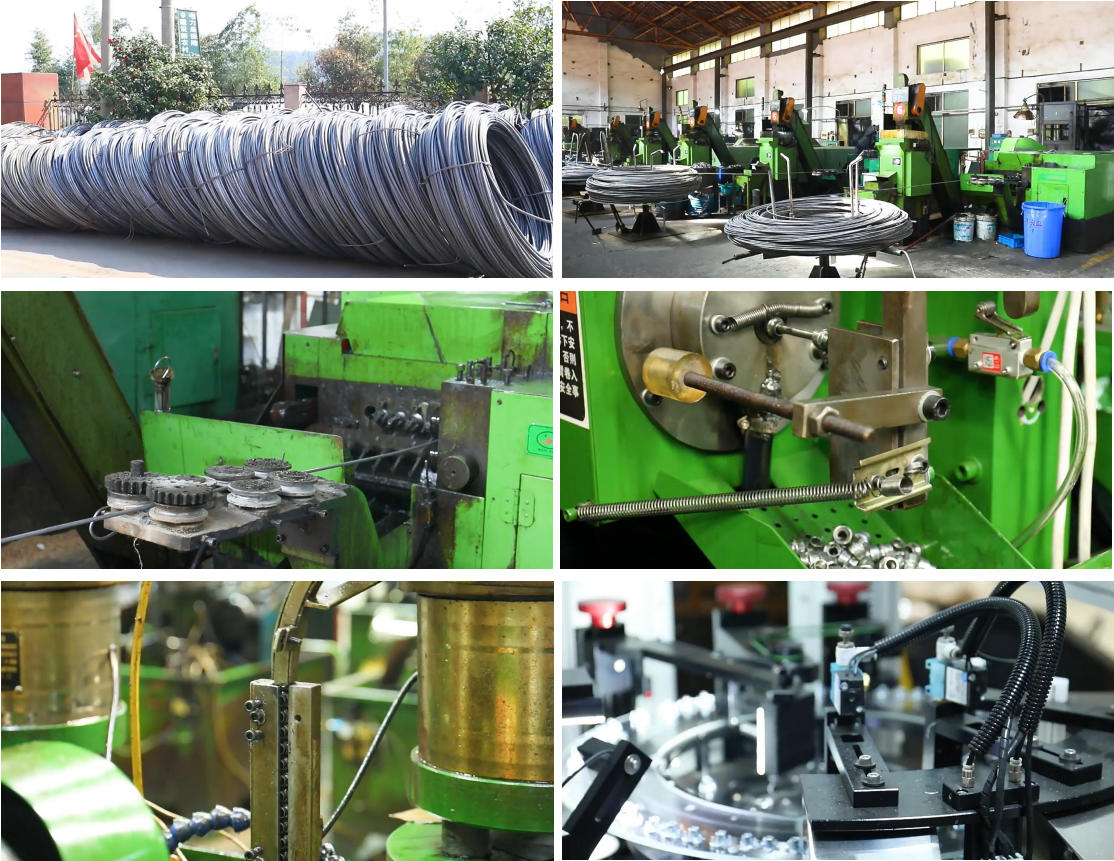
As a trusted fastener supplier, we offer a wide range of high-quality fasteners, including nuts, screws, bolts, rivets, and washers. With long-term experience in material control and heat treatment, Xinchi provides reliable fastener solutions for global customers.