

Why Flange Nuts May Loosen: Causes and Solutions
Flange nuts are widely used in mechanical assemblies due to their ability to distribute load evenly and resist loosening. However, even flange nuts can sometimes become loose during operation, leading to equipment failures or maintenance issues. Understanding the causes of flange nut loosening and the strategies to prevent it is crucial for engineers, maintenance teams, and procurement specialists.
As a professional fastener manufacturer, Xinchi is glad to introduce the causes and solutions for flange nut loosening.
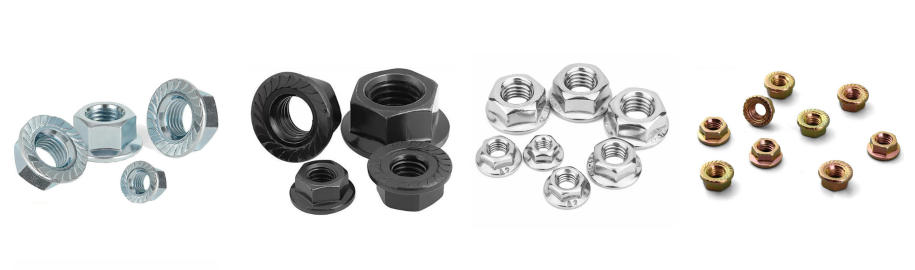
Flange nuts
Flange Nut Loosening Due to Vibration
Vibration is one of the most common reasons for flange nut loosening. When a machine or structure experiences continuous or sudden vibrations, the friction between the flange nut and the surface may be insufficient to keep it in place. Over time, this can cause the nut to gradually rotate and loosen, affecting the stability of the assembly.
To prevent vibration-induced flange nut loosening, engineers often use locking mechanisms such as nylon inserts, spring washers, or thread-locking compounds. Proper torque during installation also plays a key role in maintaining a secure connection.
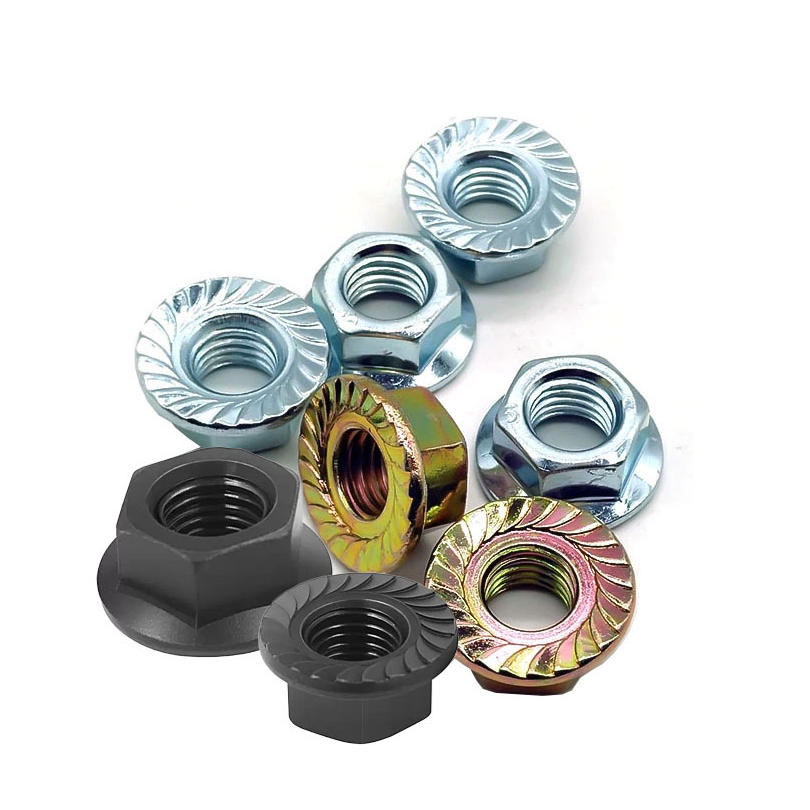
Flange nuts
Temperature Effects on Flange Nut Loosening
Extreme temperatures can affect the mechanical properties of both the flange nut and the bolt. High heat may cause thermal expansion, while low temperatures can make materials brittle, leading to reduced friction and loosening.
Selecting flange nuts made of materials suitable for the operating temperature range and applying appropriate torque can significantly reduce the risk of temperature-related loosening. In some cases, specialized coatings or heat-treated nuts provide additional stability in extreme conditions.
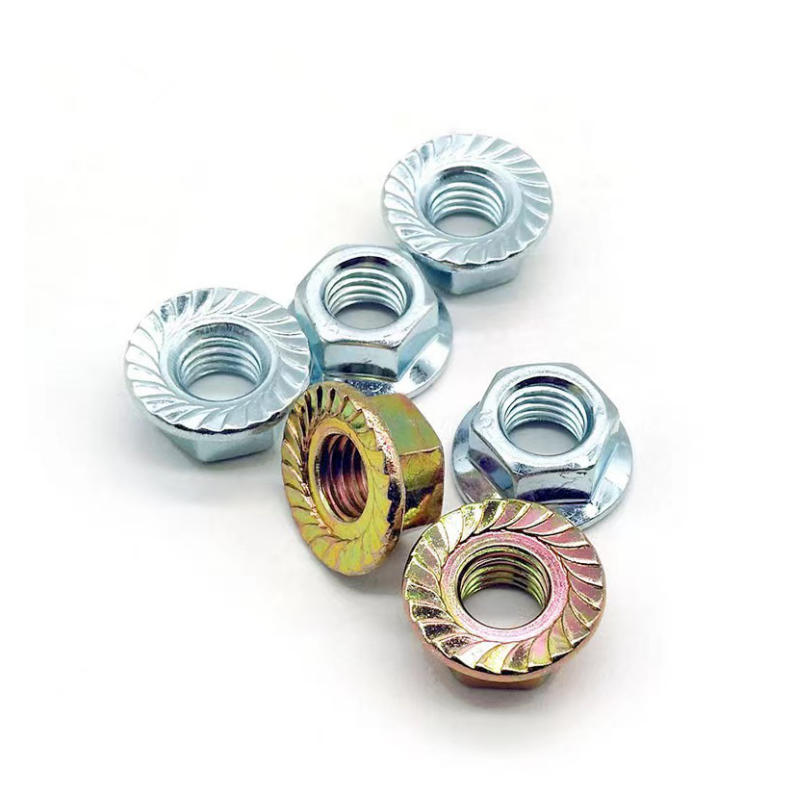
Flange nuts
Improper Installation Leading to Flange Nut Loosening
Incorrect installation is a frequent, yet often overlooked, cause of flange nut loosening. If the nut is under-torqued, it may not generate enough clamping force to resist external forces. Over-torquing can also be harmful, causing thread damage or material deformation, which ultimately contributes to loosening.
Using a calibrated torque wrench and following the manufacturer’s recommended torque specifications ensures that flange nuts are installed correctly and remain secure during operation.
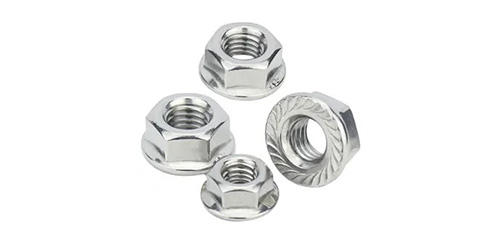
Flange nuts
Surface Conditions and Flange Nut Loosening
The condition of the mating surfaces can also influence flange nut performance. Dirt, grease, or uneven surfaces reduce friction and allow the nut to rotate more easily. Flange nuts rely on the contact between the flange and the material surface to resist loosening.
Ensuring that surfaces are clean, flat, and free of debris before installation is a simple yet effective method to prevent flange nut loosening. In addition, anti-vibration washers can improve contact and stability on imperfect surfaces.
Xinchi Fastener Factory: Reliable Flange Nut Solutions
Xinchi Fastener Factory, founded in 2007, specializes in high-quality flange nuts and other fasteners. With 102 cold forging machines and a daily production capacity exceeding 10 million pieces, Xinchi guarantees consistency and reliability. The new factory spans 30,000 square meters with two six-story buildings, ensuring modern production facilities and robust quality control systems.
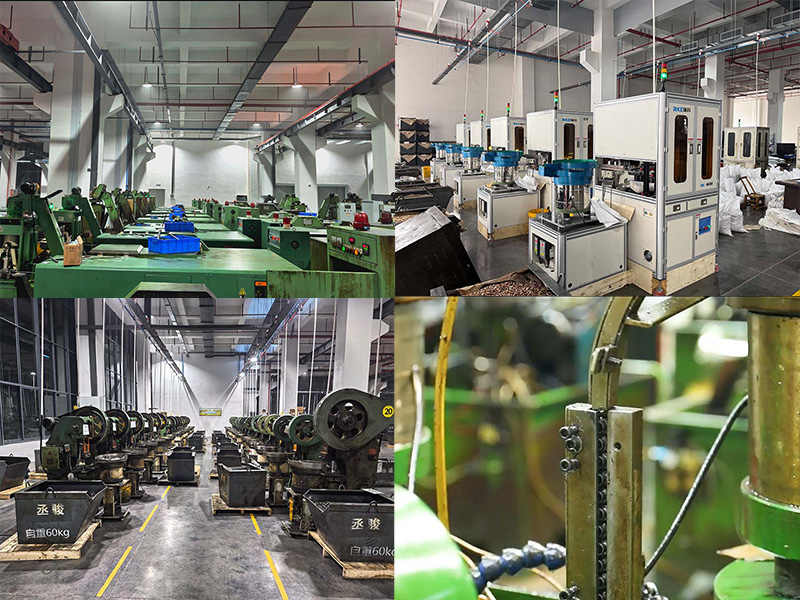
Xinchi Fasteners Factory
As a trusted fastener supplier, we can offer a wide range of high-quality fasteners, including nuts, screws, bolts, rivets, and washers. Choosing Xinchi fasteners means benefiting from decades of expertise and a commitment to long-lasting mechanical connections.