

Rivet Nut Failure Guide: Common Rivet Nut Problems and Practical Solutions
In real production and assembly, the rivet nut (blind nut) is widely used for thin sheet fastening where tapping is not possible. It’s efficient, clean, and suitable for mass production.
However, in actual use, many buyers and engineers encounter recurring rivet nut failure issues—loosening, spinning, breakage, or thread damage. These problems are not always caused by the product itself, but often by incorrect selection or installation. As a professional rivet nut manufacturer, Xinchi is glad to share the most common blind nut problems and how to fix them practically.
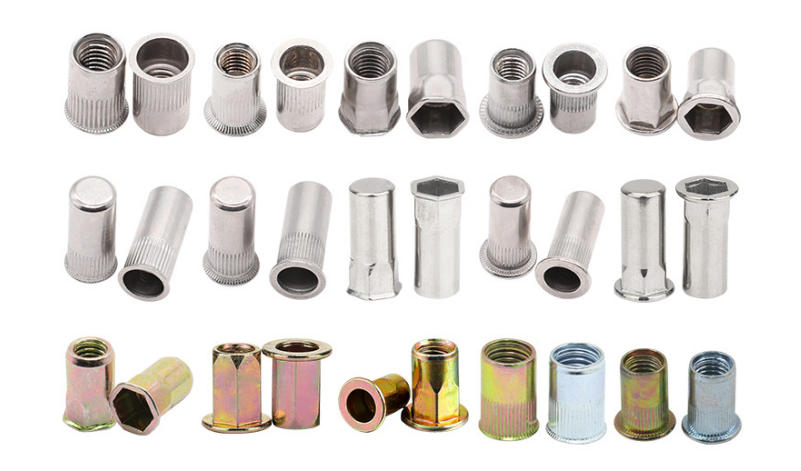
rivet nut
Rivet Nut Loosening Problem: Why Rivet Nuts Become Loose After Installation
One of the most typical rivet nut failure issues is loosening after installation. In some cases, the rivet nut may even rotate inside the base material when tightening a bolt.
This usually happens when the grip range of the rivet nut does not match the material thickness. If the sheet is too thin or too thick compared to the rivet nut design, the deformation will not be sufficient to lock it in place.
Another common reason is oversized or poorly controlled hole diameter. If the hole is slightly larger than recommended, the blind nut cannot form a tight interference fit.
To solve this rivet nut problem, it’s important to:
- Select the correct grip range according to material thickness
- Control hole size strictly based on the specification
- Use proper installation tools to ensure full deformation
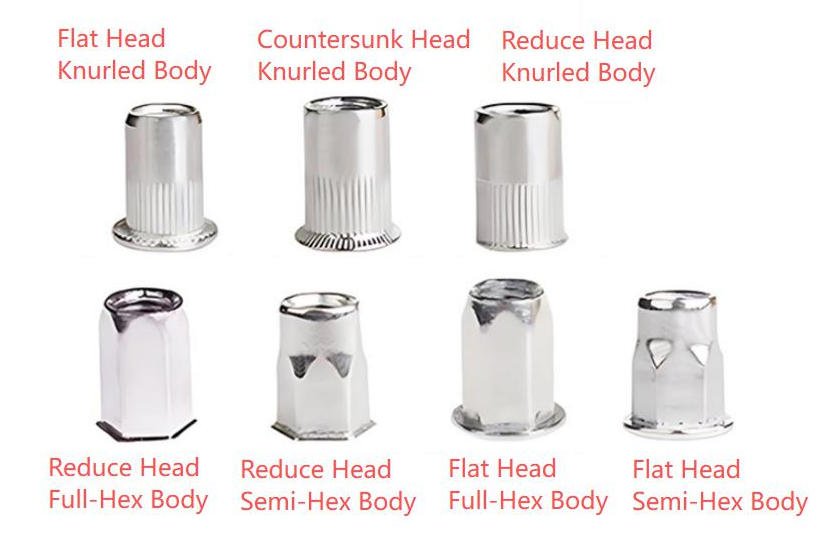
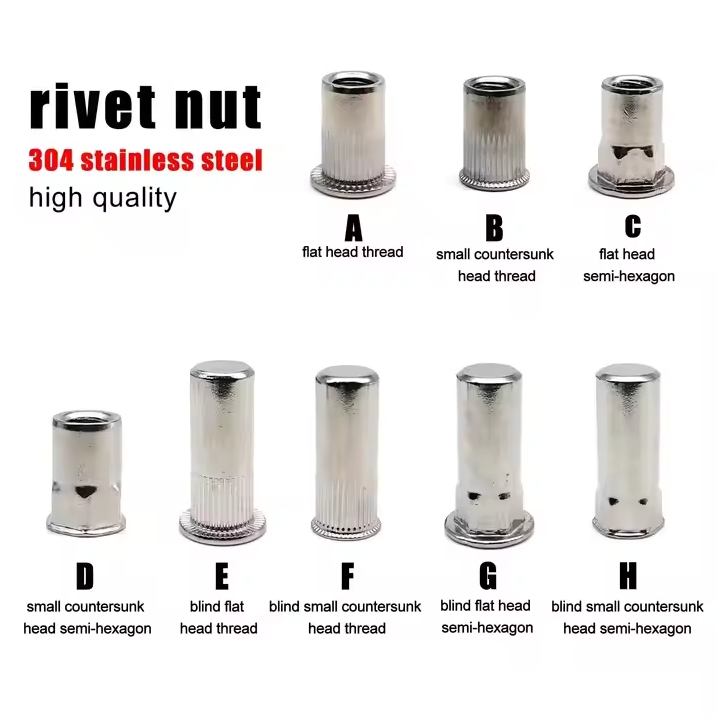
In applications with higher load or vibration, using knurled body rivet nuts can also improve anti-rotation performance.
rivet nut
Rivet Nut Spinning or Rotation: A Typical Blind Nut Problem in Thin Sheets
Spinning is a frequent blind nut problem, especially in softer materials like aluminum or plastic. Once the rivet nut starts rotating, it becomes almost impossible to tighten or remove the screw properly.
The root cause is usually insufficient friction between the rivet nut body and the base material. Smooth body rivet nuts are more likely to slip under torque.
A practical solution is to choose structural designs that increase grip, such as:
- Knurled body rivet nuts
- Hex body rivet nuts for anti-rotation
- Using a harder base material if possible
Also, ensuring proper installation force is critical. Under-setting during installation will directly lead to spinning issues.
rivet nuts
Rivet Nut Breakage: Causes of Structural Failure in Rivet Nuts
Although less common, rivet nut failure due to breakage can occur under high load conditions. This is usually seen in heavy-duty applications or when incorrect materials are used.
Typical causes include:
- Over-tightening during bolt installation
- Using low-strength rivet nut material in high-load applications
- Fatigue failure due to repeated vibration
To avoid this type of rivet nut problem, selection is key. Steel rivet nuts generally offer higher strength than aluminum ones, while stainless steel provides corrosion resistance but may require a higher installation force.
Matching the rivet nut material with the actual working condition is essential for long-term reliability.
rivet nuts
Rivet Nut Thread Damage: How to Repair or Avoid Stripped Threads
Thread damage is another common rivet nut failure, especially in maintenance scenarios. Once the internal thread is stripped, the connection loses its function.
This problem is often caused by:
- Cross-threading during bolt installation
- Using mismatched bolt specifications
- Repeated assembly and disassembly
If the thread is already damaged, there are several repair options depending on the situation:
- Replace the rivet nut with a new one
- Use a larger size rivet nut if space allows
- Apply thread repair inserts in some applications
To prevent thread-related blind nut problems, always ensure bolt compatibility and avoid excessive torque during installation.

rivet nuts
Choosing the Right Rivet Nut to Avoid Failure from the Start
Most rivet nut problems can actually be prevented at the selection stage. A correct understanding of application conditions helps reduce failure rates significantly.
Key factors to consider include:
- Material type (steel, stainless steel, aluminum)
- Grip range vs sheet thickness
- Hole size and tolerance
- Load and vibration conditions
For B2B buyers, standardization and consistency are even more important. Stable quality across batches directly impacts assembly efficiency and product reliability.
rivet nuts
Why Choose Xinchi Fastener Factory for Rivet Nuts
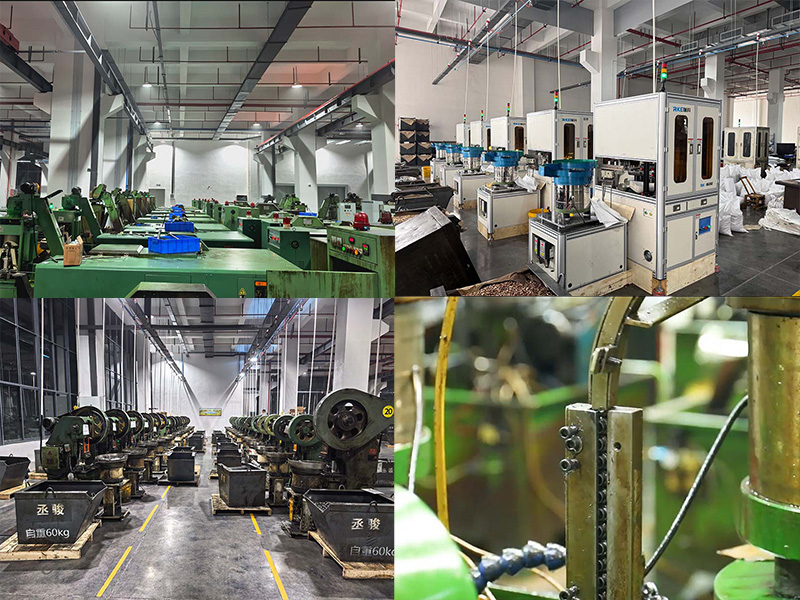
Xinchi Fastener Factory has been established since 2007, focusing on high-volume, stable production of fasteners, including rivet nuts (blind nuts).
- 102 cold heading machines ensure a strong production capacity
- Daily output exceeds 10 million pieces, suitable for large-scale supply
- New factory covers 30,000㎡ square feet with two 6-floor buildings, supporting long-term expansion
- Mature experience in OEM and bulk orders for global B2B customers
Xinchi Fastener Factory
Xinchi Fasteners produces a wide range of industrial fasteners, including nuts, screws, bolts, rivets, and washers. We understand that for buyers, consistency and reliability matter more than anything. Our fasteners are produced with strict process control to ensure stable performance in real applications.