

How Wing Nuts Are Manufactured: A Practical Look at the Wing Nut Manufacturing Process
In many assembly and maintenance scenarios, wing nuts are chosen for one simple reason—they can be tightened and loosened by hand, without tools. From furniture assembly to industrial equipment, this small fastener plays a practical role in saving time and improving efficiency.
But behind this simple design, the wing nut manufacturing process involves several precise steps. As a professional wing nut manufacturer, Xinchi Fastener Factory is glad to share how a wing nut is made, hoping it can help buyers better evaluate product quality, consistency, and suitability for different applications.
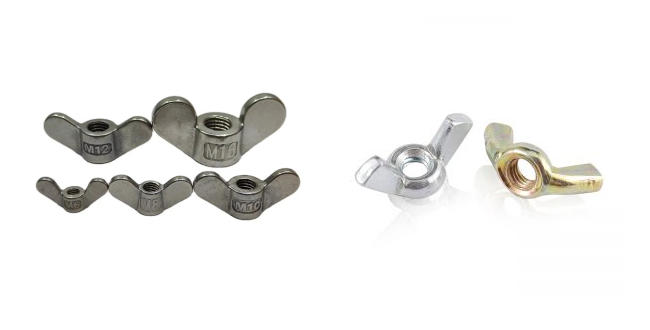
wing nut
Wing Nut Manufacturing Process: Starting from Raw Material Selection
The wing nut manufacturing process begins with selecting the right raw material, which directly affects strength, durability, and corrosion resistance.
Most wing nuts are made from carbon steel, stainless steel, or sometimes brass, depending on the application environment. For example, stainless steel wing nuts are often used in outdoor or humid conditions, while carbon steel is more common in general industrial use.
Material quality at this stage matters more than it seems. A stable material ensures that the following forming steps in the wing nut manufacturing process go smoothly and consistently.

stainless steel wing nuts
Wing Nut Manufacturing Process: Cold Heading and Initial Forming
After material preparation, the next key step in the wing nut manufacturing process is cold heading.
Cold heading machines shape the basic structure of the wing nut, including the central body and the two “wings.” This step is critical because it determines the overall shape, symmetry, and mechanical strength of the product.
Compared to machining, cold heading offers better efficiency and material utilization, which is why it is widely used for high-volume wing nut production.

wing nuts
Wing Nut Manufacturing Process: Thread Tapping and Precision Control
Once the shape is formed, the wing nut manufacturing process moves to thread tapping.
Internal threads are created inside the wing nut to match standard bolt sizes. Thread accuracy is important—if the threads are too loose or too tight, it affects usability and safety during installation.
At this stage, manufacturers usually apply quality checks to ensure each wing nut meets thread standards and can be used smoothly in real applications.
Wing Nut Manufacturing Process: Surface Treatment and Finishing
Surface treatment is another important step in the wing nut manufacturing process, especially for improving corrosion resistance and appearance.
Common finishes for wing nuts include:
- Zinc plating for general anti-corrosion protection
- Black oxide for a cleaner appearance
- Hot-dip galvanizing for outdoor or heavy-duty environments
Different surface treatments allow the wing nut to perform reliably under various conditions, from indoor furniture to outdoor construction.
Wing Nut Manufacturing Process: Quality Inspection and Packaging
Before shipment, the final stage of the wing nut manufacturing process is inspection and packaging.
Manufacturers typically check dimensions, thread accuracy, surface finish, and overall consistency. For bulk orders, maintaining uniform quality across large quantities of wing nuts is especially important.
After inspection, the products are sorted, packed, and prepared for delivery based on customer requirements.
Why Understanding the Wing Nut Manufacturing Process Matters
For buyers and distributors, knowing the wing nut manufacturing process is not just technical knowledge—it helps in making better sourcing decisions.
A well-controlled production process means:
- More consistent product quality
- Fewer installation issues
- Better long-term performance
- Lower risk in bulk procurement
Instead of only comparing prices, understanding how a wing nut is made gives a clearer picture of its real value.
Xinchi Wing Nut Manufacturing Capabilities
Xinchi Fastener Factory has been focused on large-scale production and stable supply of fasteners since 2007. With extensive experience in the wing nut manufacturing process, we prioritize both efficiency and consistency.
Factory strengths:
- 102 cold heading machines supporting high-volume wing nut production
- Daily output exceeding 10 million pieces
- New factory covering 30,000 square meters with two six-story buildings
- Stable production capacity for long-term bulk orders
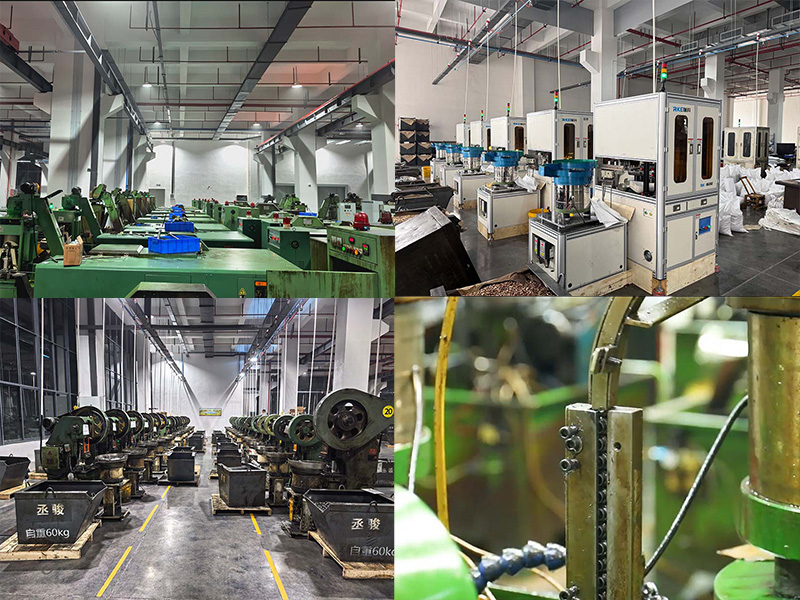
Xinchi Fastener Factory
As a trusted fastener supplier, we can offer a wide range of high-quality fasteners, including nuts, screws, bolts, rivets, and washers. For B2B customers, a reliable wing nut manufacturer is not just about price—it’s about consistent quality, delivery stability, and production capability. Xinchi aims to provide practical solutions for these needs.