

How to Install Hex Socket Head Cap Screw: Basic Understanding Before Installation
Before starting to install a hex socket head cap screw, it’s important to understand how this fastener works in real applications.
A hex socket head cap screw is designed for high-strength fastening where space is limited, and a clean, flush finish is required. It is widely used in machinery, equipment assembly, furniture structure, and industrial systems.
In most cases, installation issues don’t come from the screw itself—but from improper tool selection or incorrect tightening methods.
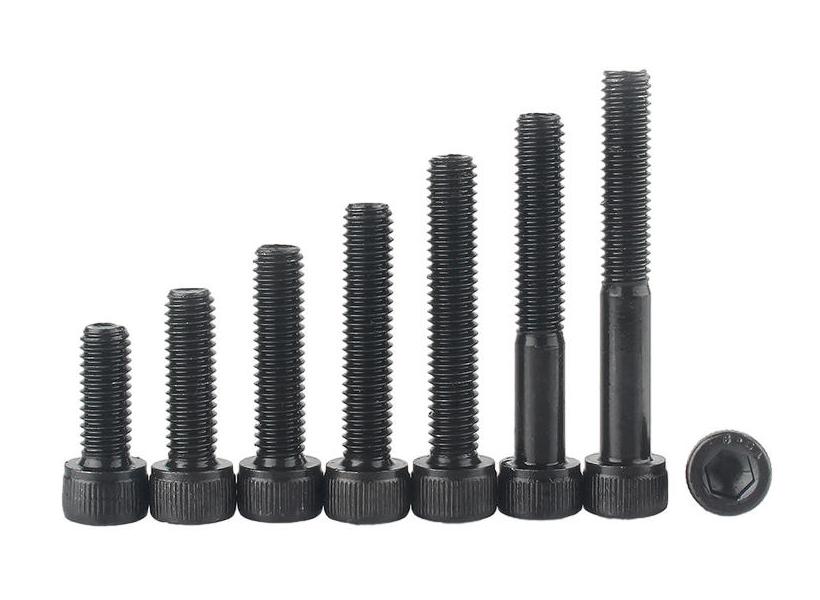
Socket Head Cap Screw
Hex Socket Head Cap Screw Installation: Choosing the Right Hex Key
When you begin the hex socket head cap screw installation, the first and most important step is selecting the correct hex key (Allen wrench).
A common mistake is using a slightly smaller or worn-out tool. This can easily damage the socket head and reduce torque efficiency.
In real fastening work, the hex key must fully match the screw head size. A tight and precise fit ensures that force is evenly transferred during tightening, reducing the risk of stripping or slipping.
For industrial assembly, professionals often use hardened hex keys or L-shaped Allen wrenches, depending on access space and torque requirements.
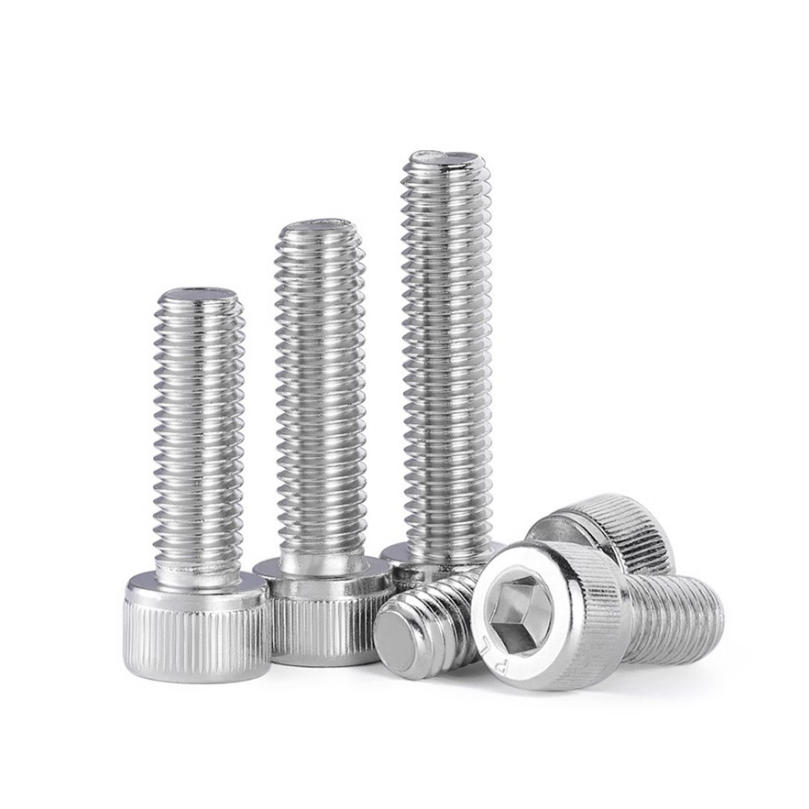
Hex Socket Head Cap Screws
Install Hex Socket Head Cap Screw with Proper Torque Control
Correct torque is the key factor when you install a hex socket head cap screw in any structural application.
Too little torque can lead to loosening during vibration or long-term use. Too much torque, on the other hand, may damage the threads or even break the screw.
In real industrial practice, torque control tools such as torque wrenches are often used to ensure consistent tightening force.
The goal is simple: the screw should be tight enough to stay secure, but not so tight that it stresses the material or fastener.
For critical applications, always follow recommended torque values based on material type and load conditions.
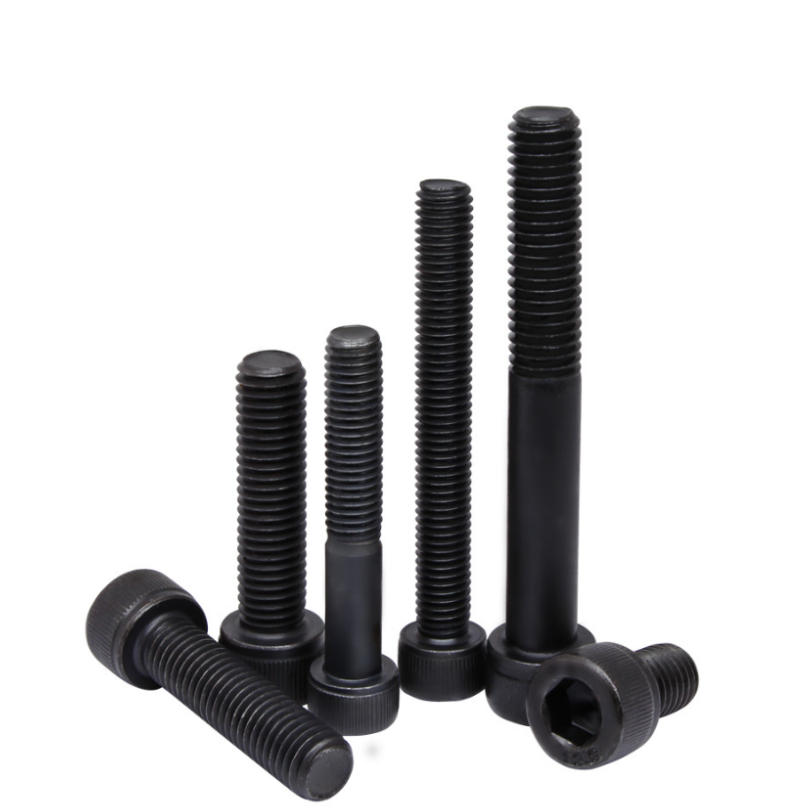
Hex Socket Head Cap Screws
Common Mistakes When Installing Hex Socket Head Cap Screw
Even experienced workers can make small mistakes during hex socket head cap screw installation, especially under time pressure.
One common issue is over-tightening without torque measurement. Another is using an incorrect hex key size, which gradually wears out the socket head.
In some cases, poor alignment during installation can also cause cross-threading, making the connection weak from the start.
These issues are avoidable when proper tools and controlled tightening methods are used consistently.
Xinchi Fasteners Manufacturing Strength for Hex Socket Head Cap Screw Production
Xinchi Fasteners is a professional manufacturer specializing in high-quality industrial fasteners, including hex socket head cap screws.
Founded in 2007, Xinchi has built a strong production capability with 102 cold heading machines and a daily output exceeding 10 million pieces.
The company’s new factory covers 30,000 square meters, consisting of two six-story production buildings, supporting large-scale and stable manufacturing capacity.
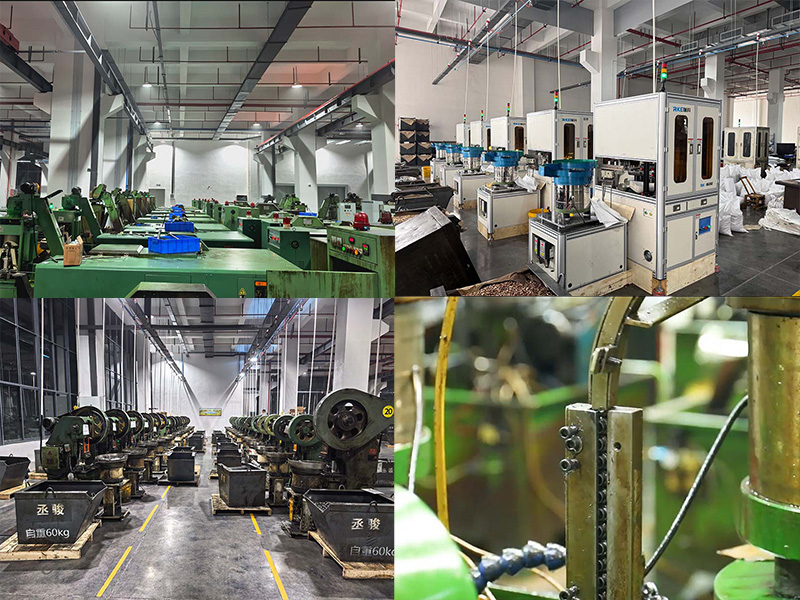
Xinchi Fastener Factory
As a trusted fastener supplier, we can offer a wide range of high-quality fasteners, including nuts, screws, bolts, rivets, and washers. With years of production experience, Xinchi focuses on consistent quality, stable supply, and reliable fastening solutions for global industrial applications.
Whether for machinery, construction, or equipment assembly, Xinchi provides fasteners designed for real-world performance and long-term reliability.